Cataracts vs Normal Ageing: How to Tell the Difference
A board-certified ophthalmologist’s guide for Yeongdeungpo, Guro, and Gasan residents
Q. What is the difference between cataracts and normal ageing vision changes?
Cataracts cause progressive clouding of the eye’s natural lens, leading to blurry, hazy, or dim vision that glasses cannot fully correct. Normal age-related vision changes, such as presbyopia, typically stabilize and are correctable with an updated prescription. If vision keeps worsening despite new glasses, night glare is increasing, or colors look faded, cataracts, not simple ageing, are the likely cause.
Q. What is a cataract?
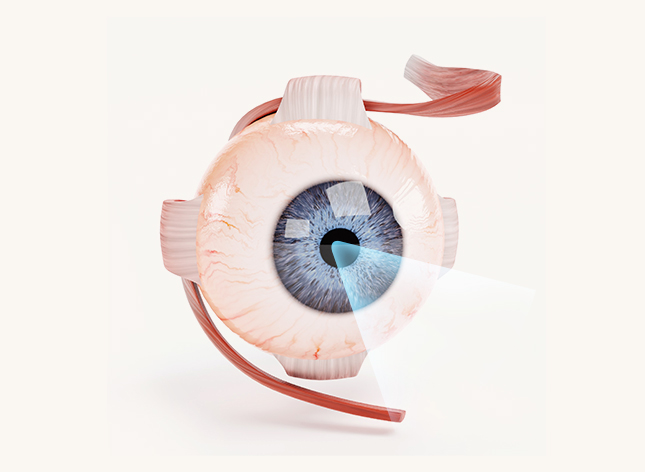
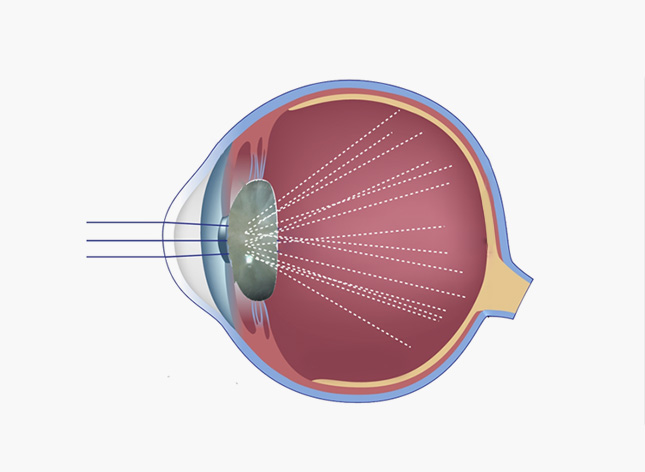
A cataract is a clouding of the eye’s naturally clear lens, which sits behind the iris and pupil. As the eye ages, proteins in the lens break down and clump together, scattering light instead of letting it pass cleanly to the retina. This differs from presbyopia, a normal age-related stiffening of the lens that affects near focus starting around age 40 to 45. Both are part of ageing, but cataracts progressively degrade vision quality in a way presbyopia does not.
Q. What are the symptoms and signs of a cataract?
- Blurry, cloudy, or hazy vision that does not improve with a new glasses prescription
- Increased sensitivity to glare, especially headlights while driving at night
- Colors appearing faded, yellowed, or less vivid than before
- Frequent changes in glasses or contact lens prescription over a short period
- Double vision or ghosting in one eye
- Difficulty reading or doing close work even with adequate lighting
Cataracts in Korea: The Numbers
- ▸ Cataracts affect over 90 percent of Koreans aged 70 and older to some degree
- ▸ Cataract surgery is among the most commonly performed surgeries for Koreans over 60
- ▸ Average age of onset is trending earlier, linked to UV exposure and rising diabetes rates
- ▸ Most cataract surgeries in Korea achieve 20/25 or better uncorrected vision after recovery
Q. How are cataracts treated?
In early stages, cataracts can be managed conservatively with brighter lighting, anti-glare lenses, and updated glasses prescriptions. These measures do not reverse the clouding but can maintain comfortable vision for months or years.
Once cataracts significantly interfere with daily activities such as reading, driving, or working, surgical removal is the only definitive treatment. The clouded lens is replaced with a clear artificial intraocular lens in a short outpatient procedure.
Living with Early Cataracts
Many patients in Yeongdeungpo and Guro continue normal daily life for years after an early cataract diagnosis. Routine monitoring, typically every 6 to 12 months, tracks how quickly the lens is changing and helps decide the right time for surgery rather than rushing into it.
Q. When should I see a doctor in Seoul?
Schedule an eye exam if blurred vision is affecting driving safety, if glare makes night driving hazardous, if reading or screen work has become difficult despite correction, or if double vision persists. Sudden vision changes always warrant urgent evaluation. Residents of Guro, Gasan, or Gwanak experiencing these signs should not wait for their next routine check-up.
Stages
Early (mild clouding) → Moderate (noticeable blur) → Advanced (significant vision loss)
Types
Nuclear (center of lens), Cortical (edges, spoke-like), Posterior subcapsular (back of lens, fast-progressing)
Timeline
Consultation and diagnosis → pre-op tests within 1 to 2 weeks → 15 to 20 minute day surgery → vision stabilizes over 1 to 4 weeks
A Note from Dr. Daniel Baik
In my clinic in Yeongdeungpo, I see patients confuse cataracts with just getting older every week. The key difference is that cataracts keep progressing. If vision is worse than it was six months ago, even with the current glasses prescription, it is worth having a lens exam rather than assuming it is inevitable ageing.
❓ Frequently Asked Questions
Q. Can cataracts be prevented?
There is no guaranteed way to prevent cataracts, but wearing UV-blocking sunglasses, managing diabetes and blood pressure, avoiding smoking, and eating a diet rich in antioxidants such as leafy greens and colorful vegetables may slow their development. Regular eye exams at a clinic in Yeongdeungpo or Guro help catch lens changes early.
Q. Is cataract surgery safe?
Yes. Cataract surgery is one of the most commonly performed and safest surgical procedures worldwide, with success rates above 95 percent for improving vision. It is typically done as day surgery under local anesthesia and takes about 15 to 20 minutes per eye.
Q. How can I tell cataracts apart from presbyopia?
Presbyopia typically affects only near vision and stabilizes by the late fifties, while cataracts cause progressive blurring at all distances, increased glare sensitivity, and fading colors that worsen over months to years regardless of glasses prescription.
Q. At what age do cataracts usually develop?
Cataracts most commonly develop after age 60, though they can appear earlier in people with diabetes, high UV exposure, a prior eye injury, or long-term steroid use. Some patients seen in Gasan and Gwanak already show early lens changes in their fifties.
Q. Will I need glasses after cataract surgery?
It depends on the intraocular lens selected. Standard monofocal lenses usually still require reading glasses, while premium multifocal or extended depth-of-focus lenses can reduce dependence on glasses for most distances.
Q. Can cataracts come back after surgery?
The cataract itself cannot return since the clouded lens is removed, but some patients develop posterior capsule opacification, sometimes called a secondary cataract, months or years later. This is treated quickly and painlessly with a laser procedure called YAG capsulotomy.
Q. How often should I get my eyes checked for cataracts?
Adults over 60 should have a comprehensive eye exam every one to two years, or annually if they have diabetes or a family history of cataracts. Residents of Yeongdeungpo, Guro, Gasan, and Gwanak can schedule a lens and retina evaluation at Nunehim Eye Center.

Book a Consultation
Nunehim Eye Center — nunehim.com
📍 Visit Nunehim Eye Center — Guro, Seoul
Convenient access from Guro, Gasan, Gwanak & Dongjak. Near Guro Digital Complex Station (Line 2).
Address: 551 Siheung-daero, Guro-gu, Seoul / nunehim.com
Hours: Mon–Fri 09:00–18:30 (lunch 13–14), Sat 09:00–14:00
Languages: Korean & English


Leave a comment