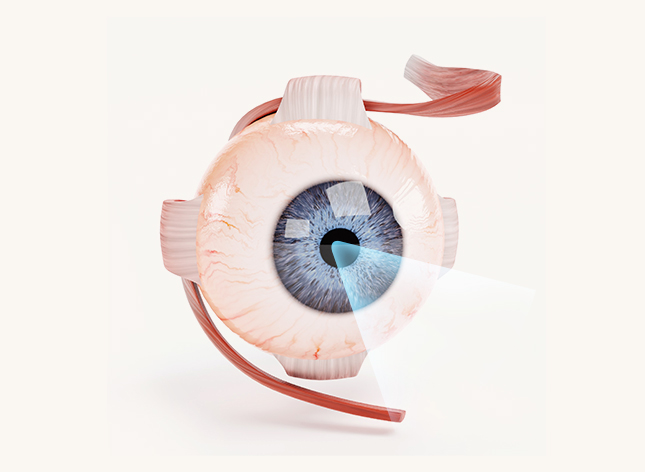
Eye Allergies in Spring Seoul: Pollen, Dust & Relief
A board-certified ophthalmologist’s guide for Yeongdeungpo, Guro & Gasan residents
Q. What causes spring eye allergies in Seoul?
Spring eye allergies (allergic conjunctivitis) in Seoul are triggered mainly by tree and grass pollen from March to May, combined with Yellow Dust (hwangsa) and fine dust (PM2.5) blowing in from the continent. These airborne particles irritate the conjunctiva, causing itching, redness, watering, and swelling. Most cases can be managed with antihistamine eye drops, cold compresses, and avoidance of known triggers, but persistent or worsening symptoms should be evaluated by an ophthalmologist.
Q. What is allergic conjunctivitis?
Allergic conjunctivitis occurs when the clear membrane covering the white of the eye and inner eyelid, called the conjunctiva, reacts to an airborne allergen. Mast cells release histamine, producing the classic triad of itching, redness, and watery discharge. In Seoul, the condition becomes noticeably more common each spring as pollen counts rise and Yellow Dust events increase, especially in residential and commuter-heavy areas like Yeongdeungpo, Guro, and Gasan, where traffic-related particulate matter can compound pollen exposure.
Q. What are the symptoms and signs?
- Itching, often the most prominent complaint
- Redness (conjunctival injection) in one or both eyes
- Watery or stringy mucous discharge
- Eyelid swelling, especially noticeable in the morning
- A gritty or burning sensation
- Sensitivity to light in more severe cases
Spring Allergy Facts for Seoul Residents
- ▸ Ocular allergy symptoms are estimated to affect roughly one in five adults during peak pollen season, based on general allergy prevalence data
- ▸ Pollen counts in the Seoul metropolitan area typically peak between early April and mid-May
- ▸ Yellow Dust advisories are issued on multiple days most springs, most often in March and April
- ▸ People with a history of allergic rhinitis or atopic dermatitis are significantly more likely to also experience allergic conjunctivitis
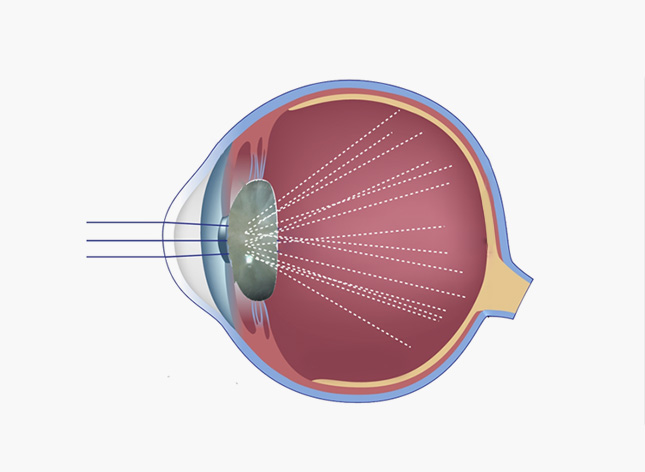
Q. What are the treatment options?
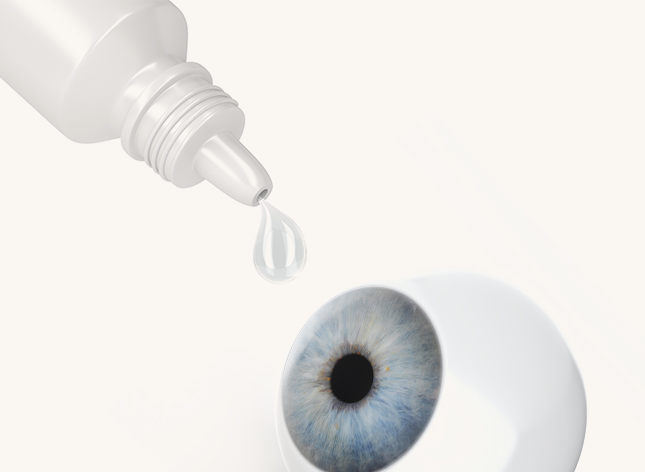
Treatment is tailored to symptom severity. Mild cases often respond well to preservative-free artificial tears, which dilute and flush allergens from the ocular surface, combined with cold compresses to reduce swelling and itching. Over-the-counter antihistamine or dual-action antihistamine and mast-cell stabilizer eye drops can provide fast relief from itching within minutes.
For moderate to severe symptoms, an ophthalmologist may prescribe short-term topical corticosteroids or recommend oral antihistamines to address associated nasal symptoms. Contact lens wearers are generally advised to switch to glasses during flare-ups, since lenses can trap allergens against the eye surface and worsen irritation.
Q. How can I prevent flare-ups?
Simple environmental measures make a meaningful difference. Checking daily pollen and fine-dust forecasts, keeping windows closed on high-pollen or Yellow Dust days, running an air purifier indoors, and rinsing the face and eyes after being outdoors can all reduce allergen exposure. Wraparound sunglasses help physically block pollen from reaching the eyes, which is especially useful for anyone commuting through Yeongdeungpo, Guro, or Gasan on days with poor air quality.
Q. When should I see a doctor in Seoul?
- Symptoms do not improve after several days of over-the-counter treatment
- Vision becomes blurred or you notice significant light sensitivity
- Eye pain, rather than itching, develops
- Thick yellow or green discharge appears, which may suggest infection rather than allergy
- Swelling is severe or affects only one eye
- You wear contact lenses and develop any of the above symptoms
Mild
Occasional itching and mild redness, usually managed with artificial tears and trigger avoidance.
Moderate
Persistent itching, noticeable redness, and eyelid swelling; often needs antihistamine drops and environmental changes.
Severe
Significant swelling, light sensitivity, or vision changes; warrants prompt evaluation by an ophthalmologist.
A Note From Our Doctor
“Every spring I see a clear rise in patients from Yeongdeungpo, Guro, and Gasan coming in with itchy, watery eyes as pollen and Yellow Dust levels climb,” says Dr. Daniel Baik, board-certified ophthalmologist at Nunehim Eye Center. “Most seasonal eye allergies respond well to simple measures, but persistent redness or discomfort deserves a proper eye exam rather than guesswork.”
❓ Frequently Asked Questions
Q. Can eye allergies in Seoul cause permanent eye damage?
In most cases, seasonal allergic conjunctivitis does not cause permanent damage. However, chronic eye rubbing can occasionally contribute to corneal changes over time, which is one reason early treatment is recommended.
Q. Are eye allergies worse in Yeongdeungpo and Guro compared to other parts of Seoul?
Areas with higher traffic density and industrial activity, including parts of Yeongdeungpo and Guro, can see elevated fine-dust levels that compound pollen exposure, sometimes making symptoms feel more intense for residents there.
Q. Can I wear contact lenses during allergy season?
It is generally best to switch to glasses during flare-ups, since lenses can trap pollen and allergens against the eye and worsen irritation.
Q. How long does allergy season typically last in Seoul?
Tree and grass pollen season in the Seoul metropolitan area generally runs from March through May, though individual sensitivity and yearly weather patterns can shift the timing.
Q. Are antihistamine eye drops safe for daily use?
Most over-the-counter antihistamine eye drops are safe for regular use during allergy season, but drops containing decongestants should not be used for more than a few days without a doctor’s guidance, as overuse can cause rebound redness.
Q. Can children get seasonal eye allergies too?
Yes, children are commonly affected and may rub their eyes frequently. Pediatric-appropriate treatments are available, and a pediatric eye evaluation is recommended if symptoms are persistent.
Q. Should I see an ophthalmologist or just treat this at home in Gasan or Gwanak?
Mild, familiar symptoms can often be managed at home with artificial tears and avoidance measures. New, severe, or unusual symptoms, especially eye pain, vision changes, or thick discharge, should prompt a visit to an ophthalmologist in Gasan, Gwanak, or nearby to rule out infection or other conditions.

Book a Consultation
Nunehim Eye Center — Yeongdeungpo, Guro, Gasan & Gwanak, Seoul — nunehim.com
📍 Visit Nunehim Eye Center — Guro, Seoul
Convenient access from Guro, Gasan, Gwanak & Dongjak. Near Guro Digital Complex Station (Line 2).
Address: 551 Siheung-daero, Guro-gu, Seoul — nunehim.com
Hours: Mon–Fri 09:00–18:30 (lunch 13–14), Sat 09:00–14:00
Languages: Korean & English


Leave a comment