Eye Exam for Driving Licence in Korea: Requirements for Expats
A board-certified ophthalmologist’s guide to the vision test every driver in Korea must pass
Q. What is the eye exam driving licence Korea requirement?
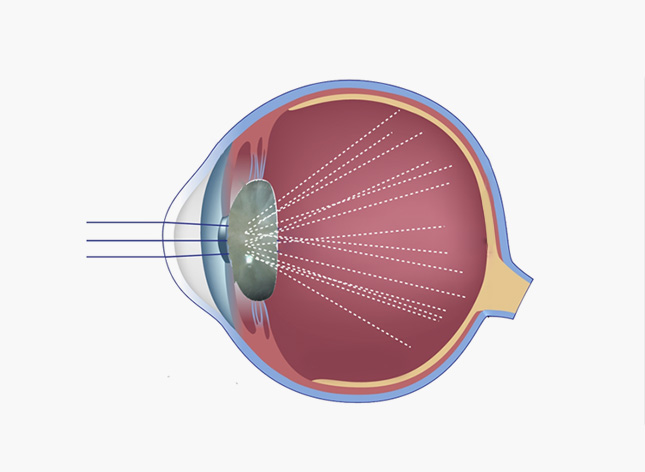
To get a driving licence in Korea, every applicant — Korean national or expat — must pass a vision (visual acuity) test at a licensed test center or approved clinic. For an ordinary Type 2 licence, each eye must reach at least 0.5 corrected visual acuity (or 0.6 in the better eye if the other eye cannot see); for a Type 1 licence, both eyes together must reach 0.8 with each eye at least 0.5, plus a horizontal visual field of roughly 150 degrees or more. Glasses and contact lenses are allowed.
Q. Who needs to take the vision test for a Korean driving licence?
Every applicant for a new Korean driving licence must pass the vision test, including expats converting a foreign licence and first-time applicants. Expats living in Yeongdeungpo, Guro, Gasan, or Gwanak who are applying at a driving licence test center or converting an overseas licence at the relevant district office will typically need a vision test result, and license renewals after a certain age or interval also require re-testing.
Korea Driving Vision Standards — At a Glance
- ▸ Type 2 (ordinary car): each eye ≥0.5 corrected acuity, or the better eye ≥0.6 if the other cannot see.
- ▸ Type 1 (larger vehicles, taxis, buses): both eyes together ≥0.8, each eye ≥0.5, horizontal visual field ≥150°.
- ▸ Color vision and basic depth perception may also be screened depending on licence type.
- ▸ Glasses and contact lenses are permitted; the licence will note a corrective-lens condition.
Q. Where can expats get the vision test done in Seoul?
Vision tests can usually be completed on-site at driving licence test centers, but many expats prefer getting a documented eye exam from an ophthalmology clinic beforehand — especially if their uncorrected vision is borderline or they want to confirm their glasses or OK lens prescription is up to date. An eye exam at a clinic such as Nunehim Eye Center in Guro-gu can also catch issues like early cataracts, dry eye, or uncorrected astigmatism that might affect the test result.
For expats converting a foreign licence, some district offices and test centers request a recent visual acuity report; bringing one from a clinic visit can make the process faster, especially if there is a language barrier at the test center itself.
Q. What should expats in Yeongdeungpo, Guro, or Gasan bring to the exam?
Bring your current glasses or contact lenses (the test is done with correction if you normally wear them), a valid ID or ARC card, and if available, your most recent prescription. If you live in Yeongdeungpo, Guro, or Gasan and are unsure whether your vision meets the standard, a same-week appointment at a local clinic is usually enough time to test, get correction adjusted if needed, and receive documentation before your licence appointment.
Q. What could cause an expat to fail the vision test?
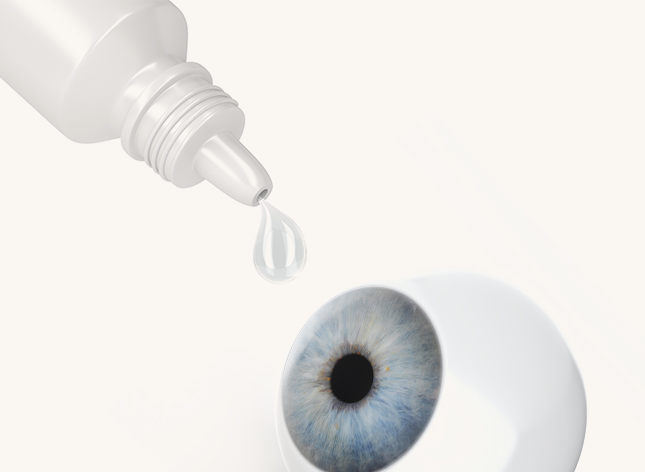
- Uncorrected or under-corrected refractive error (outdated glasses/contacts prescription)
- Undiagnosed astigmatism affecting clarity at distance
- Early cataracts, especially in applicants over 50
- Significant difference in vision between the two eyes (anisometropia)
- Reduced visual field from untreated glaucoma or other eye conditions
Type 2 Licence
Each eye ≥0.5 corrected, or better eye ≥0.6 if one eye cannot see.
Type 1 Licence
Both eyes together ≥0.8, each eye ≥0.5, visual field ≥150°.
Before Your Appointment
Get a vision check 1–2 weeks ahead to allow time for a new prescription if needed.
From Dr. Daniel Baik
“I regularly see expats in Guro and Yeongdeungpo who are surprised their vision has changed since they last renewed a licence back home. A quick exam beforehand almost always saves a second trip to the test center — and it is a good excuse to catch up on your overall eye health.” — Dr. Daniel Baik, board-certified ophthalmologist
❓ Frequently Asked Questions
Q. Do I need a Korean eye exam if my home country licence already has a vision requirement?
Yes. Korea requires its own vision test as part of the licence application or conversion process, regardless of what your home country required, since standards and testing methods differ.
Q. Can I wear glasses or contact lenses during the driving licence vision test?
Yes, correction is allowed. If you pass with glasses or contacts, your licence will include a corrective-lens condition, meaning you are legally required to wear them while driving.
Q. What happens if I fail the vision test?
You will not be issued a licence until your vision meets the standard. Most applicants who fail simply need an updated glasses or contact lens prescription; a small number may need further evaluation for an underlying eye condition.
Q. Is color vision tested for a Korean driving licence?
Basic color vision screening may be part of the overall evaluation, particularly for certain commercial licence types, though requirements can vary by test center.
Q. How long is a vision test result valid for a licence application?
Vision test results are generally used at the time of your licence application or renewal appointment; test centers can advise on validity windows, but getting tested shortly before your appointment is the safest approach.
Q. Where in Seoul can expats near Yeongdeungpo or Gasan get an eye exam before their licence test?
Nunehim Eye Center in Guro-gu serves patients from Yeongdeungpo, Guro, Gasan, and Gwanak, offering visual acuity testing and full eye exams in both Korean and English.
Q. Should I get a full eye exam or just a quick vision check before applying?
A quick acuity check is enough for most healthy applicants, but if it has been several years since your last exam, a full eye exam is worthwhile to catch conditions like early cataracts or glaucoma that a brief screening might miss.

Book a Consultation
Nunehim Eye Center — nunehim.com
📍 Visit Nunehim Eye Center — Guro, Seoul
Convenient access from Guro, Gasan, Gwanak & Dongjak. Near Guro Digital Complex Station (Line 2).
Address: 551 Siheung-daero, Guro-gu, Seoul / nunehim.com
Hours: Mon–Fri 09:00–18:30 (lunch 13:00–14:00), Sat 09:00–14:00
Languages: Korean & English


Leave a comment