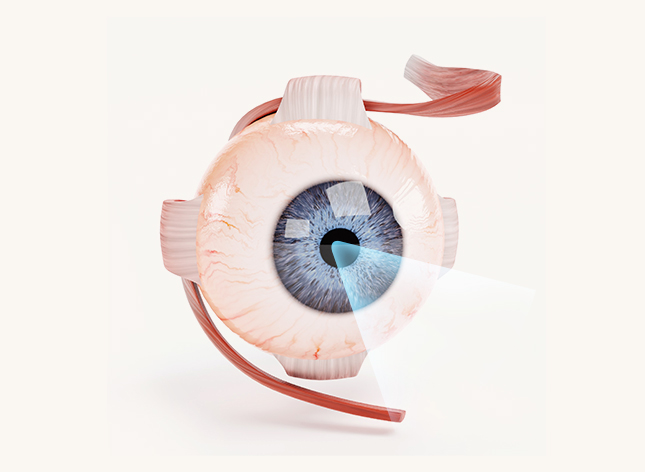
Glaucoma Screening: Who Needs It and How Often in Korea
Protecting your vision in Yeongdeungpo, Guro & Gasan, Seoul
Q. What is glaucoma screening in Korea?
Glaucoma screening in Korea combines eye pressure testing, optic nerve examination, and OCT imaging to detect glaucoma before symptoms appear. Adults over 40 living in Yeongdeungpo, Guro, or Gasan should have a baseline screening and repeat it every 1–2 years, since glaucoma often causes no symptoms until vision loss has already become permanent.
Q. What is glaucoma and how does it damage vision?
Glaucoma is a group of eye diseases that gradually damage the optic nerve, the cable that carries visual information from the eye to the brain. It is often, but not always, linked to elevated intraocular pressure (IOP). Because glaucoma typically destroys peripheral vision first and progresses painlessly, many patients in Seoul don’t notice anything wrong until significant, irreversible damage has occurred — which is why glaucoma is often called the ‘silent thief of sight.’
▸ Korea National Health and Nutrition Examination Survey (KNHANES) data show glaucoma prevalence of roughly 4% among Korean adults aged 40 and older.
▸ More than 70% of glaucoma cases diagnosed in Korean patients are normal-tension glaucoma (NTG) — optic nerve damage despite eye pressure in the normal range — compared with well under half in many Western populations.
▸ Glaucoma prevalence rises sharply with age, affecting an estimated 1 in 10 Koreans over age 70.
▸ Referral-center studies suggest a large share of glaucoma cases in Korea remain undiagnosed until a routine eye exam or unrelated clinic visit reveals optic nerve damage.
Q. What tests are used for glaucoma screening?
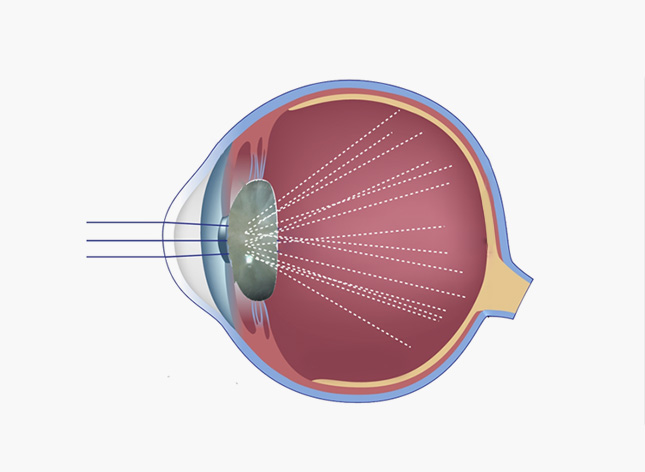
A comprehensive glaucoma screening at an eye clinic in Guro or Yeongdeungpo typically includes four components: tonometry to measure intraocular pressure, a dilated fundus exam to directly view the optic nerve head, optical coherence tomography (OCT) to measure the retinal nerve fiber layer, and visual field testing (perimetry) to map peripheral vision.
OCT imaging is especially valuable because it can detect nerve fiber thinning years before a patient notices any visual field loss, making it a cornerstone of early glaucoma screening in Korean clinics.
Q. Why is normal-tension glaucoma more common in Korea?
Normal-tension glaucoma (NTG) causes optic nerve damage even when eye pressure measures within the normal range. Vascular factors, thinner central corneas, and the very high rate of myopia (nearsightedness) in Korea are all thought to contribute to this pattern.
Because myopic optic discs can visually resemble glaucomatous damage, and because IOP alone can look reassuring in NTG, screening in Korea relies heavily on OCT and visual field testing rather than eye pressure checks alone.
Q. Who is at higher risk of glaucoma?
- Age over 40
- Family history of glaucoma
- High myopia (nearsightedness)
- Diabetes or hypertension
- Thin central corneal thickness
- Prior eye injury or long-term steroid use
Recommended Screening Frequency by Age
Age 40–54
No risk factors: screening every 2 years
Age 55–64
Or with risk factors: screening every year
Age 65+
Or glaucoma suspects: every 6–12 months
A Note from Dr. Daniel Baik
In my practice in Guro, I see many patients who assumed a normal eye-pressure reading meant they were safe from glaucoma — but normal-tension glaucoma is especially common among Korean patients. I recommend that anyone over 40 in Yeongdeungpo, Guro, or Gasan schedule a comprehensive screening that includes OCT imaging, not just a pressure check. — Dr. Daniel Baik, board-certified ophthalmologist
❓ Frequently Asked Questions
Q. Does normal eye pressure mean I don’t have glaucoma?
No. Normal-tension glaucoma, which damages the optic nerve despite normal eye pressure, accounts for the majority of glaucoma cases diagnosed in Korea. A normal pressure reading alone is not enough to rule out glaucoma.
Q. Is glaucoma screening covered by Korean national health insurance?
Basic intraocular pressure checks are often included as part of routine national health screenings in Korea, but OCT imaging and visual field testing are typically billed separately. Ask your clinic to confirm current coverage details for your situation.
Q. How long does a glaucoma screening take?
A complete glaucoma screening, including tonometry, a dilated fundus exam, OCT imaging, and visual field testing, usually takes about 30 to 60 minutes, including time for the pupils to dilate.
Q. Can glaucoma be cured?
There is currently no cure for glaucoma, but its progression can be controlled with eye drops, laser treatment (such as selective laser trabeculoplasty), or surgery. Vision already lost to glaucoma cannot be restored, which is why early detection matters so much.
Q. Does high myopia increase glaucoma risk?
Yes. High myopia is an established risk factor for glaucoma and is particularly relevant in Korea, where myopia rates among younger adults are among the highest in the world.
Q. What happens if glaucoma is left untreated?
Untreated glaucoma causes progressive, irreversible loss of peripheral and eventually central vision, and can lead to blindness. Because damage is painless and gradual, regular screening is the only reliable way to catch it early.
Q. Where can I get glaucoma screening near Guro or Yeongdeungpo?
Nunehim Eye Center in Guro-gu, Seoul offers comprehensive glaucoma screening — including OCT and visual field testing — for patients from Yeongdeungpo, Guro, Gasan, and Gwanak, with both Korean and English consultations available.

Book a Glaucoma Screening
Nunehim Eye Center — nunehim.com
📍 Visit Nunehim Eye Center — Guro, Seoul
Convenient access from Guro, Gasan, Gwanak & Dongjak. Near Guro Digital Complex Station (Line 2).
Address
551 Siheung-daero, Guro-gu, Seoul / nunehim.com
Hours
Mon–Fri 09:00–18:30 (lunch 13–14), Sat 09:00–14:00
Languages
Korean & English


Leave a comment