Living with Glaucoma: Daily Life and Long-Term Management Tips
Long-term care guidance from Nunehim Eye Center, Yeongdeungpo-gu, Seoul
Q. What is the key to living well with glaucoma?
Living with glaucoma tips center on one principle: consistency. Glaucoma is a chronic condition that gradually damages the optic nerve, usually linked to elevated intraocular pressure (IOP), and any vision already lost cannot be restored. With daily prescribed eye drops, regular pressure checks, and a few lifestyle adjustments, the vast majority of patients we see at our Yeongdeungpo-gu clinic maintain functional vision for life. The goal isn’t reversing damage — it’s stopping further loss before it affects daily activities like reading, driving, or working in Guro’s busy digital complex.
Q. What is glaucoma and why does it require lifelong management?
Glaucoma refers to a group of eye diseases that damage the optic nerve, the cable that carries visual information from the eye to the brain. In most cases, this damage is driven by elevated pressure inside the eye, though a significant share of glaucoma in Korea — known as normal-tension glaucoma — develops even when eye pressure measures within the statistically normal range. This is one reason East Asian populations, including many patients we see from Yeongdeungpo, Guro, and Gasan, require more individualized monitoring than a single pressure reading can provide. Because glaucoma typically progresses without pain and often without noticeable symptoms until peripheral vision is already affected, it is frequently called a “silent thief of sight.” Once optic nerve fibers are lost, they do not regenerate, which is why every set of living with glaucoma tips centers on stopping progression early rather than trying to restore vision after the fact.
Q. What are the early signs and symptoms of glaucoma?
- Gradual, painless loss of peripheral (side) vision — often unnoticed until advanced
- Occasional blurred vision or halos around lights, especially at night
- In acute angle-closure cases: sudden eye pain, headache, nausea, and blurred vision (a medical emergency)
- Difficulty adjusting to dark rooms or dim lighting
- No symptoms at all in early-to-moderate stages — this is the most common presentation
Why Glaucoma Care Matters in Korea
▸ Glaucoma is widely cited by the World Health Organization as one of the leading causes of irreversible blindness worldwide, alongside cataract.
▸ Normal-tension glaucoma — optic nerve damage despite average eye pressure — is reported in ophthalmology literature to be notably more common among Korean and East Asian patients than in Western populations.
▸ Risk rises significantly after age 40, and increases further with a family history of glaucoma, high myopia, or long-term steroid use.
▸ Regular comprehensive eye exams, including optic nerve imaging and visual field testing, remain the most reliable way to catch glaucoma before symptoms appear — a service we provide routinely at our Yeongdeungpo-gu clinic for patients throughout Guro, Gasan, and Gwanak.
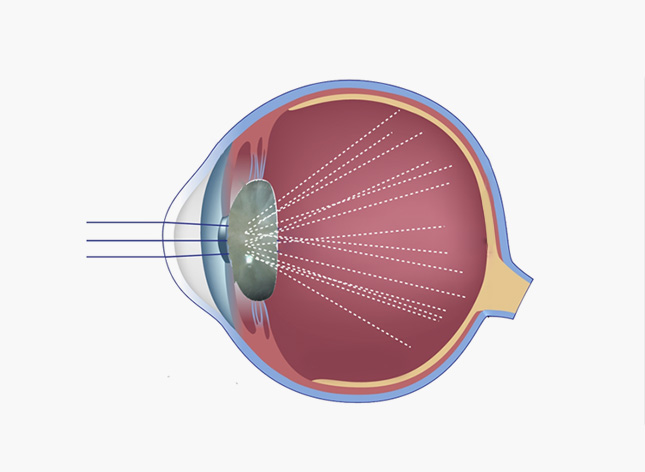
Q. What are the best tips for living with glaucoma day to day?
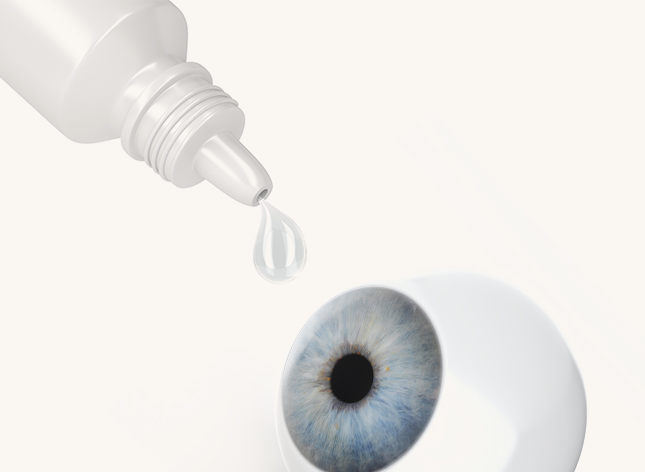
Most glaucoma treatment plans begin with prescription eye drops that lower intraocular pressure, taken at the same time each day to keep pressure stable around the clock. Missing doses — even occasionally — is one of the most common reasons for continued optic nerve damage, so building the drops into an existing daily routine matters more than most patients expect.
When drops alone aren’t enough, options include selective laser trabeculoplasty (SLT), a short outpatient procedure, or incisional surgery for more advanced cases. At Nunehim Eye Center, patients from Yeongdeungpo, Guro, and Gasan typically start with a personalized combination of medication and monitoring, escalating only if pressure or visual field tests indicate progression.
Q. What daily habits help protect vision in glaucoma patients?
Beyond medication, several everyday habits support long-term eye health: staying well-hydrated but avoiding large amounts of fluid in one sitting (which can transiently raise eye pressure), moderating caffeine, maintaining regular aerobic exercise, sleeping with the head slightly elevated, and avoiding tight neckties or swim goggles that place pressure on the eyes. Consistent sleep, blood pressure control, and not smoking also support optic nerve health over the long term.
Q. When should you seek immediate care for glaucoma symptoms?
- Sudden, severe eye pain with headache, nausea, or vomiting (possible acute angle-closure glaucoma — seek emergency care immediately)
- Sudden vision loss or a sudden increase in halos around lights
- A noticeable drop in vision that seems different from your usual gradual changes
- Missed IOP-lowering medication for several consecutive days combined with new visual symptoms
- Any new eye redness with pain, especially with blurred vision
Early Stage
Optic nerve shows subtle changes; vision typically feels normal. Detected mainly through comprehensive exams and imaging.
Moderate Stage
Peripheral vision loss becomes measurable on visual field testing, though many patients still don’t notice changes in daily life.
Advanced Stage
Significant peripheral vision loss, sometimes affecting central vision; daily activities like driving or reading signage become harder.
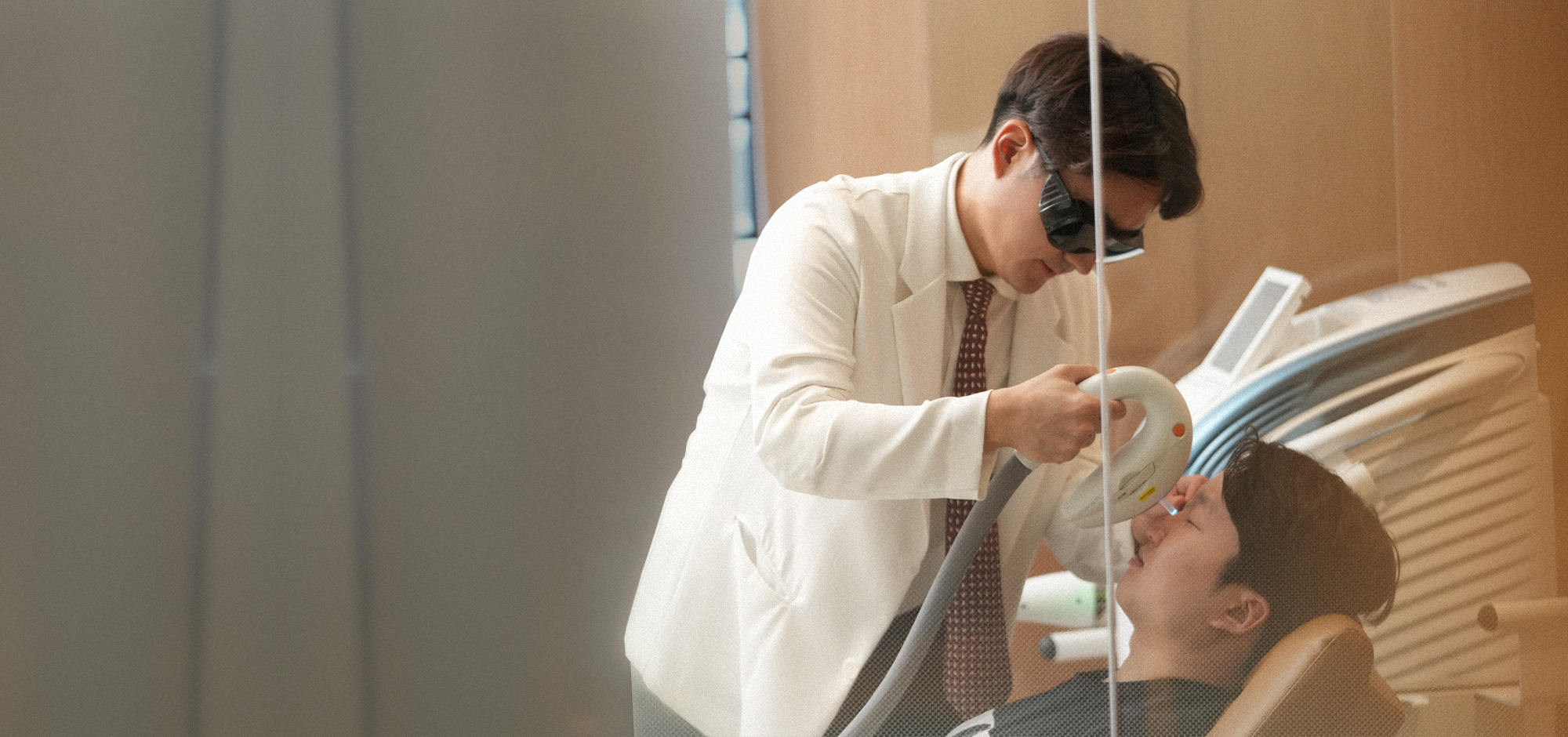
“Glaucoma is manageable, but only with consistency — the patients I see doing best years later are the ones who never skip their drops and never skip their follow-up visits, even when their vision still feels fine.”
— Dr. Daniel Baik, board-certified ophthalmologist, Nunehim Eye Center
❓ Frequently Asked Questions
Q. Can glaucoma be cured?
No — vision loss from glaucoma cannot be reversed, but progression can almost always be slowed or stopped with consistent treatment and monitoring.
Q. Will I go blind from glaucoma?
Most patients who stay on treatment and attend regular checkups do not lose functional vision; blindness is more common when glaucoma goes undiagnosed or untreated for years.
Q. How often should I get my eyes checked if I have glaucoma?
Typically every 3 to 6 months, though your ophthalmologist may adjust this based on how stable your eye pressure and visual field results are.
Q. Can I still drive with glaucoma?
Many patients continue driving safely, especially in early-to-moderate stages; your doctor will assess your visual field to confirm it meets safe driving standards.
Q. Does glaucoma run in families?
Yes, having a parent or sibling with glaucoma raises your risk, which is why we recommend eye exams for close relatives of diagnosed patients.
Q. Can exercise affect glaucoma?
Regular moderate aerobic exercise is generally beneficial and may modestly lower eye pressure, though certain inverted yoga poses can temporarily raise it and are worth discussing with your doctor.
Q. Where can I get a glaucoma screening near Yeongdeungpo, Guro, or Gasan?
Nunehim Eye Center in Yeongdeungpo-gu offers comprehensive glaucoma screening, including optic nerve imaging and visual field testing, with both Korean and English consultations available.

Book a Consultation
Nunehim Eye Center · nunehim.com · Yeongdeungpo-gu, Seoul
📍 Visit Nunehim Eye Center — Guro, Seoul
Convenient access from Guro, Gasan, Gwanak & Dongjak. Near Guro Digital Complex Station (Line 2).
551 Siheung-daero, Guro-gu, Seoul
nunehim.com
Mon–Fri 09:00–18:30 (lunch 13–14)
Sat 09:00–14:00
Korean & English


Leave a comment