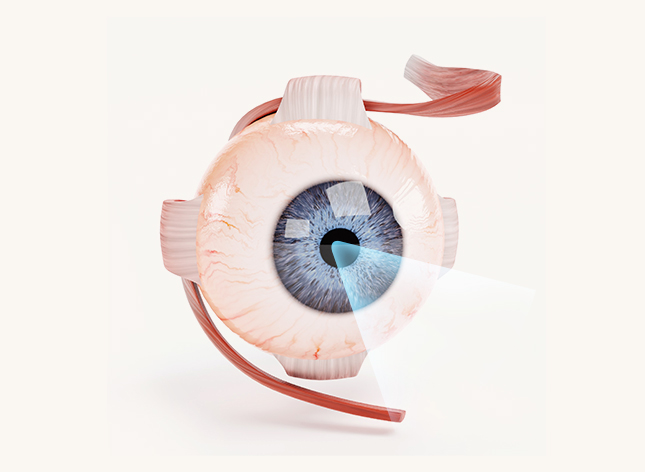
PREVENTION GUIDE
Age-Related Eye Diseases: The Complete Prevention Guide for Over-40s in Seoul
Practical, evidence-based steps to protect your vision — from Nunehim Eye Center, Guro, Seoul
Q. How can I prevent age-related eye disease?
The four most common age-related eye diseases — cataracts, glaucoma, age-related macular degeneration (AMD), and diabetic retinopathy — can be caught early and slowed through annual comprehensive eye exams after age 40, consistent UV protection, blood sugar and blood pressure control, not smoking, and a diet rich in leafy greens and omega-3 fatty acids.
Q. What are the most common age-related eye diseases?
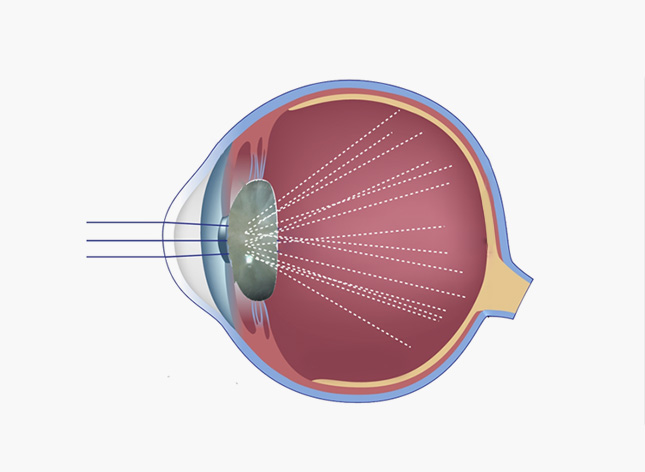
As we age, four conditions account for the vast majority of vision loss worldwide and in Korea: cataracts (clouding of the eye’s natural lens), glaucoma (progressive damage to the optic nerve, often linked to elevated eye pressure), age-related macular degeneration or AMD (deterioration of the central retina), and diabetic retinopathy (damage to retinal blood vessels from long-term high blood sugar). Age-related eye disease prevention in Seoul starts with understanding that these four conditions develop gradually and often silently, which is why regular screening matters more than waiting for symptoms.
By the Numbers: Age-Related Eye Disease in Korea
- ▸ Cataracts are present in the large majority of Koreans by their 60s and become nearly universal with advancing age.
- ▸ Glaucoma remains one of the leading causes of irreversible blindness in Korea, and is frequently undiagnosed until moderate-to-advanced stages because early stages rarely cause symptoms.
- ▸ AMD prevalence rises sharply after age 50, and its impact is expected to grow as Korea’s population continues to age rapidly.
- ▸ Diabetic retinopathy risk tracks closely with Korea’s rising adult diabetes rate, making annual retinal exams especially important for diabetic patients in Seoul.
Q. What are the treatment and management options?
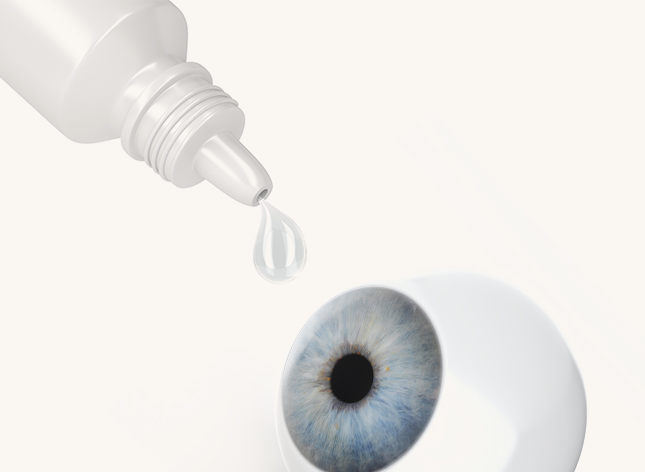
Treatment depends on the specific condition and stage. Cataracts are managed with surgical lens replacement once they interfere with daily activities — a safe, routine outpatient procedure. Glaucoma is managed with pressure-lowering eye drops, laser treatment, or surgery to prevent further optic nerve damage. AMD management includes nutritional supplementation (the AREDS2 formula), anti-VEGF injections for the wet form, and lifestyle modification. Diabetic retinopathy is managed through blood sugar control together with laser treatment or injections when needed.
At our clinic in Guro, we tailor management plans individually, coordinating with patients’ internal medicine or endocrinology care when diabetes or hypertension is involved.
Q. What are the early symptoms and warning signs?
- Gradually blurred or dimmed vision, or difficulty reading fine print (cataracts)
- Halos around lights at night (cataracts, early glaucoma)
- Gradual loss of peripheral (side) vision (glaucoma)
- Straight lines appearing wavy or distorted (AMD — a sign requiring urgent evaluation)
- New or increasing floaters or flashes of light (retinal changes)
- Difficulty adjusting to dark rooms or driving at night (multiple conditions)
⚠ When Symptoms Need Urgent Attention
- Sudden vision loss or a sudden increase in floaters and flashes
- Straight lines that suddenly appear wavy or bent (possible wet AMD)
- Eye pain with blurred vision, halos, nausea, or a red eye (possible acute angle-closure glaucoma — an emergency)
- Any sudden change in one eye should be evaluated the same day, not at your next routine visit
Ages 40-50
Baseline comprehensive exam; presbyopia begins; early cataract changes may appear; establish your eye health baseline.
Ages 50-65
AMD and glaucoma risk rises; annual exams recommended; diabetic patients need yearly dilated retinal checks.
Age 65+
Cataract surgery often becomes appropriate; glaucoma and AMD monitoring intensifies; annual exams are essential.
A Note From Dr. Daniel Baik
“Most of the vision loss I see from cataracts, glaucoma, and AMD could have been caught earlier. As a board-certified ophthalmologist treating patients across Guro, Yeongdeungpo, and Gasan, my strongest recommendation for anyone over 40 is simple: don’t wait for symptoms — a comprehensive dilated exam is the only way to catch these conditions while they’re still highly treatable.”
❓ Frequently Asked Questions
Q. At what age should I start getting regular eye exams for age-related disease?
Most ophthalmologists, including our clinic here in Guro, recommend a comprehensive dilated eye exam every 1-2 years starting at age 40, and annually after age 60, or sooner if you have diabetes, high blood pressure, or a family history of glaucoma or macular degeneration.
Q. Is age-related macular degeneration (AMD) preventable?
AMD cannot be completely prevented, but its onset can be delayed and its progression slowed. Not smoking, controlling blood pressure, eating leafy greens and fish rich in omega-3 fatty acids, and wearing UV-protective sunglasses are the most evidence-based steps patients in Seoul can take.
Q. How is glaucoma diagnosed if it has no early symptoms?
Glaucoma is diagnosed through a combination of intraocular pressure measurement, optic nerve imaging (OCT), and visual field testing. Because vision loss from glaucoma is usually irreversible, early detection through routine screening is the only reliable way to catch it before symptoms appear.
Q. Can cataracts be prevented, or only treated?
Cataracts cannot be fully prevented since they are largely related to natural aging of the lens protein, but UV protection, not smoking, and good blood sugar control can slow their development. Once a cataract significantly affects daily life, surgical removal with lens implantation is a safe, well-established procedure.
Q. How does diabetes affect my risk of age-related eye disease in Korea?
Diabetes significantly raises the risk of diabetic retinopathy and can accelerate cataract formation. With diabetes prevalence rising among adults in Korea, we recommend diabetic patients in Yeongdeungpo, Guro, and Gasan have a dilated retinal exam at least once a year, even without visual symptoms.
Q. What lifestyle changes actually help protect my eyes as I age?
The steps with the best evidence are: quitting smoking, wearing UV400-rated sunglasses outdoors, eating a diet rich in leafy greens and fatty fish, managing blood pressure and blood sugar, exercising regularly, and scheduling annual comprehensive eye exams rather than waiting for symptoms.
Q. Does Nunehim Eye Center treat age-related eye conditions, and where is the clinic located?
Yes. Nunehim Eye Center provides comprehensive exams and management for cataracts, glaucoma, AMD, and diabetic retinopathy, and is conveniently located in Guro-gu, Seoul, serving patients from Yeongdeungpo, Gasan, and Gwanak with Korean and English consultations available.

Protect Your Vision — Book a Consultation
Nunehim Eye Center · Guro-gu, Seoul · nunehim.com
📍 Visit Nunehim Eye Center — Guro, Seoul
Convenient access from Guro, Gasan, Gwanak & Dongjak. Near Guro Digital Complex Station (Line 2).
Address
551 Siheung-daero, Guro-gu, Seoul · nunehim.com
Hours
Mon–Fri 09:00–18:30 (lunch 13:00–14:00), Sat 09:00–14:00
Languages
Korean & English


Leave a comment