Diabetic Retinopathy Screening: How Often and What to Expect in Korea
A practical guide for diabetic patients living in Yeongdeungpo, Guro, Gasan, and Gwanak, Seoul
Quick Answer: How Often Should I Get Screened?
Adults with type 2 diabetes should have a dilated retinal exam at the time of diagnosis and then at least once a year afterward. Type 1 diabetics should begin annual screening within five years of diagnosis. Patients with existing diabetic retinopathy screening findings in Korea may need exams every three to six months depending on severity.
Q. What is diabetic retinopathy screening?
Diabetic retinopathy screening is a dilated eye examination combined with retinal imaging that checks for damage to the blood vessels of the retina caused by prolonged high blood sugar. In Korea, screening typically combines a slit-lamp exam, fundus photography, and optical coherence tomography (OCT) to detect microaneurysms, hemorrhages, and swelling before they threaten vision. Because diabetic retinopathy screening in Korea is widely available at ophthalmology clinics, there is no reason for diabetic patients in Seoul to delay their first exam.
Q. What are the symptoms or warning signs?
- Blurred or fluctuating vision, especially after blood sugar swings
- New floaters or small dark spots drifting across the field of vision
- Difficulty seeing at night or adjusting to dim lighting
- A dark or empty area appearing in the center of vision
- Sudden, painless vision loss in one eye (a warning sign of bleeding)
Importantly, early and moderate diabetic retinopathy often causes no symptoms at all. This is precisely why scheduled screening, not waiting for symptoms, is the standard of care.
Diabetic Eye Disease in Korea: Key Statistics
- ▸ Roughly 13–16% of Korean adults over age 30 live with diabetes, and prevalence continues to rise with an aging population.
- ▸ An estimated 15–20% of diagnosed diabetics in Korea show some degree of diabetic retinopathy.
- ▸ Diabetic retinopathy remains one of the leading causes of preventable blindness among working-age adults in Korea.
- ▸ With timely detection and treatment, the risk of severe vision loss from diabetic retinopathy can be reduced by more than 90%.
Q. What are the treatment options?
Treatment depends on the stage of disease. Early-stage (non-proliferative) retinopathy is often managed through tighter blood sugar, blood pressure, and cholesterol control alongside continued monitoring. More advanced disease may require anti-VEGF injections to reduce swelling and abnormal vessel growth, focal or panretinal laser photocoagulation to stabilize the retina, or vitrectomy surgery in cases involving significant bleeding or scar tissue.
At Nunehim Eye Center, treatment plans are tailored to each patient’s stage of disease and coordinated with their endocrinologist when needed, ensuring diabetic patients across Yeongdeungpo, Guro, and Gasan receive continuous, coordinated care.
Q. What technology is used for screening?
Modern diabetic retinopathy screening in Korea relies on wide-field fundus photography to capture a detailed map of the retina, and OCT imaging to measure retinal thickness and detect fluid accumulation (diabetic macular edema) that may not be visible on photography alone. Both are quick, non-invasive, and typically completed within a single visit.
For patients in Gwanak and surrounding districts who may be balancing screening with a busy schedule, same-day imaging and same-day results are available at our Guro-gu clinic.
Q. When is diabetic retinopathy an emergency?
- Sudden, painless loss of vision in one eye
- A sudden shower of new floaters or flashes of light
- A curtain or shadow spreading across part of your vision
- Sudden, significant blurring that does not clear
Any of these symptoms warrant same-day evaluation, as they may indicate vitreous hemorrhage or retinal detachment related to advanced diabetic eye disease.
Mild NPDR
Small microaneurysms appear in the retina. Vision is usually unaffected. Annual monitoring is typically sufficient.
Moderate–Severe NPDR
More blood vessels are blocked, depriving areas of the retina of blood supply. Screening intervals shorten to every 3–6 months.
Proliferative (PDR)
Abnormal new vessels grow and may bleed. This stage carries the highest risk of vision loss and often requires prompt treatment.
A Note from Dr. Daniel Baik
“Diabetic retinopathy is one of the few causes of blindness that is almost entirely preventable with regular screening. I encourage every diabetic patient in Yeongdeungpo, Guro, Gasan, and Gwanak to keep their annual eye exam as non-negotiable as their blood sugar check. By the time vision changes are noticeable, we have often lost time we can’t get back.”

❓ Frequently Asked Questions
Q. How often should type 1 vs. type 2 diabetics be screened?
Type 1 diabetics should have their first dilated retinal exam within five years of diagnosis, then annually. Type 2 diabetics should be screened at the time of diagnosis, since retinopathy is often already present, and then at least once a year afterward. Patients in Yeongdeungpo and Guro with poorly controlled blood sugar or existing retinal changes may need exams every three to six months.
Q. Does diabetic retinopathy have early symptoms?
In most cases, no. Early and even moderate diabetic retinopathy is frequently symptom-free, which is exactly why scheduled screening matters more than waiting for blurred vision or floaters to appear. By the time symptoms are noticeable, meaningful retinal damage has often already occurred.
Q. Is the screening painful, and does it require dilation?
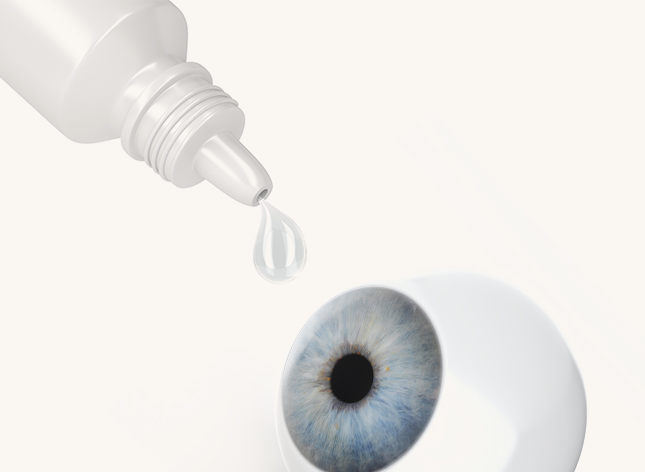
The exam itself is painless. Pupil dilation drops cause mild light sensitivity and blurred near vision for a few hours, so patients should plan to avoid driving immediately afterward. Fundus photography and OCT imaging add only a few minutes and involve no discomfort.
Q. Can diabetic retinopathy be reversed?
Retinopathy cannot be fully reversed, but its progression can be slowed or halted with tight blood sugar, blood pressure, and cholesterol control, along with timely treatments such as anti-VEGF injections or laser therapy when needed. Vision loss from advanced disease is often permanent, which is why early detection is so important.
Q. Does National Health Insurance in Korea cover retinal screening?
Diagnostic retinal exams for diabetic patients are generally covered under Korea’s National Health Insurance (NHI) system when medically indicated, with the standard co-payment applying. Foreign residents enrolled in NHI or with private insurance can typically use the same coverage, and our staff can help confirm coverage details before your visit.
Q. How does blood sugar control affect risk?
Long-term blood sugar control, reflected in HbA1c levels, is the single strongest modifiable factor in diabetic retinopathy risk. Each 1 percentage point reduction in HbA1c is associated with a meaningful drop in retinopathy progression. Blood pressure and lipid control also play significant supporting roles.
Q. What should expat patients in Seoul bring to their first appointment?
Bring a list of current medications, recent HbA1c or blood sugar readings if available, and any prior eye exam records. Nunehim Eye Center offers consultations in both Korean and English, so international patients living in Yeongdeungpo, Guro, Gasan, and Gwanak can be fully evaluated without a language barrier.

Book a Diabetic Retinopathy Screening
Nunehim Eye Center · nunehim.com · Korean & English consultations
📍 Visit Nunehim Eye Center — Guro, Seoul
Convenient access from Guro, Gasan, Gwanak & Dongjak. Near Guro Digital Complex Station (Line 2).
Address
551 Siheung-daero, Guro-gu, Seoul · nunehim.com
Hours
Mon–Fri 09:00–18:30 (lunch 13:00–14:00), Sat 09:00–14:00
Languages
Korean & English


Leave a comment