School Vision Screening in Korea: What to Do If Your Child Fails
A pediatric eye care guide from a board-certified ophthalmologist in Seoul
Q. What should I do if my child fails school vision screening in Korea?
If your child fails a school vision screening in Korea, the next step is a full comprehensive eye exam with a pediatric ophthalmologist — not just a repeat of the screening chart. School vision screening Korea programs are designed to flag possible problems, not diagnose them, so a formal exam confirms whether your child needs glasses, further testing for amblyopia (lazy eye), or monitoring for myopia progression common among school-age children in Seoul.
Q. How does school vision screening in Korea work?
Korean elementary and middle schools conduct annual health checkups that include a basic vision screening, usually a simple eye chart test performed by school nurses or during the national student health examination (학생건강검사). This screening checks visual acuity but doesn’t diagnose specific conditions like astigmatism, amblyopia, or eye alignment problems. Because the test is brief and not performed by an eye care specialist, results can under- or over-flag concerns, particularly in younger children who may struggle to communicate clearly during testing. Families in Yeongdeungpo, Guro, and Gasan often receive a screening result letter and are unsure what steps to take next.
Q. What are signs your child may have undiagnosed vision problems?
- Sitting very close to the TV or holding books close to the face
- Squinting or tilting the head to see clearly
- Complaints of headaches or eye strain after reading or schoolwork
- Poor performance copying from the whiteboard at school
- One eye appearing to wander or not track together with the other
- Avoiding activities that require near or distance focus, such as reading or sports
Q. Which Seoul neighborhoods have families most affected by this issue?
Screening follow-up rates vary by district. Families commuting from Gwanak and Dongjak into schools near Guro and Yeongdeungpo sometimes delay follow-up exams simply due to scheduling. Nunehim Eye Center’s location in Guro makes it accessible for families across Yeongdeungpo, Gasan, and Gwanak who want a prompt follow-up appointment after receiving a school screening notice.
Childhood Vision in Korea by the Numbers
- ▸ Korea has one of the highest childhood myopia rates in the world, with prevalence approaching 80-90% among high school students
- ▸ Many myopia cases are first identified through school screening programs rather than parental observation
- ▸ Amblyopia affects roughly 2-4% of children and is most treatable before age 7-9
- ▸ Pediatric follow-up exam rates are actively tracked by local health authorities across Seoul’s Yeongdeungpo and Gwanak districts
Q. What happens during a comprehensive pediatric eye exam?
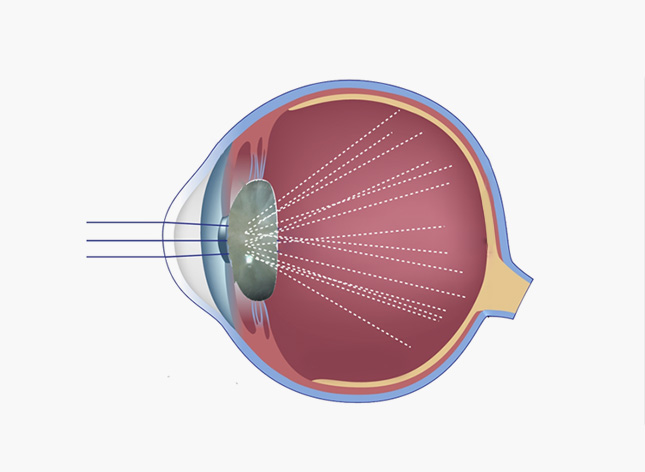
A full pediatric eye exam goes well beyond the school chart test. It includes a refraction test to measure the exact prescription needed, a check for eye alignment and depth perception, and often a dilated exam to assess the retina and rule out other conditions. Children are evaluated for amblyopia risk factors, such as unequal focusing power between the two eyes, which the school test alone cannot detect.
At Nunehim Eye Center in Guro, we tailor the exam pace to the child’s age and comfort, using kid-friendly visual acuity charts and non-invasive equipment. Parents from across Yeongdeungpo, Guro, Gasan, and Gwanak often bring children in shortly after receiving a school screening notice.
Q. Does my child need glasses if they failed the screening?
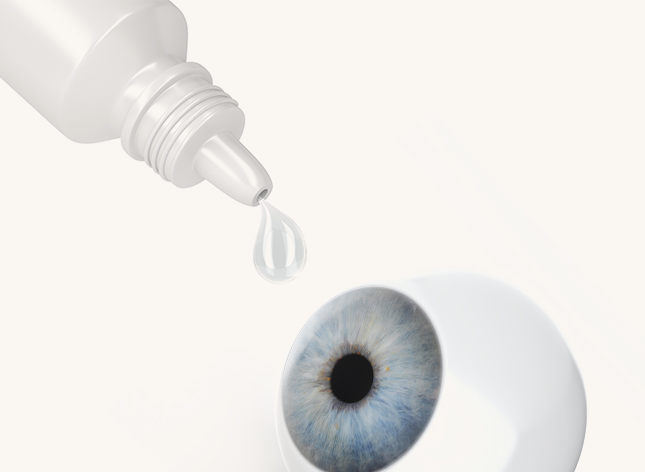
Not always. Some children fail the screening chart on the day of testing due to fatigue, anxiety, or simply not understanding the instructions, and a follow-up exam shows normal vision. Others do need glasses — commonly for myopia (nearsightedness), which is especially prevalent among Korean schoolchildren, or for astigmatism. A comprehensive exam is the only reliable way to know which situation applies to your child.
Q. When should you seek an exam without waiting for the next school screening?
- Your child failed this year’s screening or a previous one
- You notice any of the signs listed above at home
- Your child is under age 7, when amblyopia treatment is most effective
- There is a family history of high myopia, amblyopia, or strabismus
- Your child’s grades or classroom participation have declined without explanation
Ages 4-6
Critical window for amblyopia treatment; annual exams recommended even without symptoms.
Ages 7-12
Peak years for myopia onset and rapid progression; monitoring visits every 6 to 12 months.
Ages 13-18
Myopia often stabilizes; screening still valuable for astigmatism and study-related eye strain.
“Parents in Guro and Yeongdeungpo often tell me they weren’t sure whether a school screening letter meant something serious. My advice is simple: don’t wait. A short comprehensive exam gives clear answers, and for young children, catching a problem early — especially amblyopia — makes an enormous difference in long-term outcomes.” — Dr. Daniel Baik, board-certified ophthalmologist
❓ Frequently Asked Questions
Q. Is school vision screening in Korea mandatory?
Yes, vision screening is part of the annual student health checkup (학생건강검사) required for Korean elementary, middle, and high school students, though the depth of testing can vary by school and grade level.
Q. My child passed the screening — do they still need an eye exam?
Routine passing results are reassuring, but the screening does not test for amblyopia risk factors, eye alignment, or color vision. Many pediatric ophthalmologists recommend at least one baseline comprehensive exam by age 4 to 6 regardless of screening results.
Q. How quickly does myopia progress in Korean schoolchildren?
Myopia often progresses fastest between ages 7 and 12, sometimes changing by 0.50 to 1.00 diopters per year without intervention, which is why regular monitoring during this age range matters.
Q. Can myopia progression be slowed?
Yes. Options include specially designed contact lenses such as orthokeratology (OK lenses), atropine eye drops, and increased outdoor time, which several studies suggest reduces myopia onset and progression in children.
Q. What happens if amblyopia is not treated early?
Amblyopia (lazy eye) becomes significantly harder to treat after roughly age 7 to 9, as the visual system’s ability to strengthen the weaker eye declines with age. Untreated amblyopia can lead to permanent reduced vision in the affected eye.
Q. Do you provide English-language pediatric eye exams in Seoul?
Yes. Nunehim Eye Center offers exams in both Korean and English, which is helpful for expat and international families living in Yeongdeungpo, Guro, Gasan, and nearby areas of Seoul.
Q. How long does a comprehensive pediatric eye exam take?
Most exams take 30 to 45 minutes, including refraction, alignment testing, and a general eye health check. Dilation, if needed, may add extra waiting time for the eye drops to take effect.

Book a Consultation
Visit us at nunehim.com
📍 Visit Nunehim Eye Center — Guro, Seoul
Convenient access from Guro, Gasan, Gwanak & Dongjak. Near Guro Digital Complex Station (Line 2).
**Address:** 551 Siheung-daero, Guro-gu, Seoul / nunehim.com
**Hours:** Mon–Fri 09:00–18:30 (lunch 13–14), Sat 09:00–14:00
**Languages:** Korean & English


Leave a comment