Halos and Glare After LASEK Surgery: Are They Permanent?
What to expect during night vision recovery
Q. Are halos and glare after LASEK permanent?
In most patients, halos and glare after LASEK, including TransPRK and 2-Day LASEK, are temporary. They are common during the first weeks to months of healing as the cornea remodels, and typically fade significantly within 3 to 6 months.
Q. What causes halos and glare after LASEK?
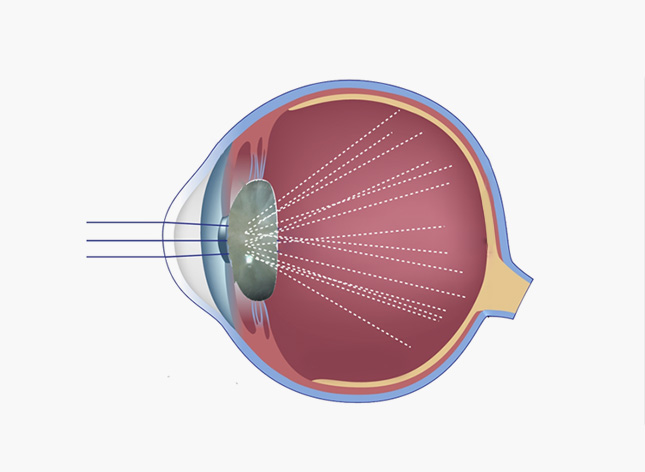
Halos and glare occur as the cornea heals and reshapes following surface ablation procedures like TransPRK and 2-Day LASEK. During the early recovery period, mild corneal swelling and the interaction between your pupil size and the treated optical zone can scatter light at night, creating rings or starbursts around bright lights. This is a normal, well-documented part of the healing process for patients in Guro, Yeongdeungpo, Gasan, and Gwanak recovering from LASEK-type procedures.
Q. What are the signs and symptoms of halos and glare?
- Rings or circles around lights at night
- Starburst patterns around headlights or streetlights
- Difficulty or discomfort driving at night
- Glare sensitivity in low-light conditions
- Mild blurring that is more noticeable after dark
Halos and Glare After LASEK — Key Statistics
- ▸ Most patients report halos and glare peak within the first 1 to 4 weeks after LASEK or TransPRK
- ▸ The majority of patients, over 90% in published outcomes, see significant reduction by 3 to 6 months
- ▸ Larger night-time pupil size is associated with more noticeable initial symptoms
- ▸ Korean studies on TransPRK and 2-Day LASEK report high long-term patient satisfaction by 6 to 12 months
Q. How are halos and glare after LASEK managed?
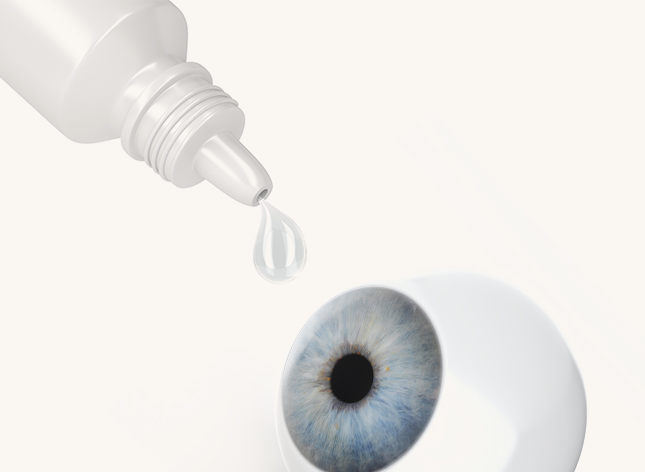
Management typically involves the prescribed anti-inflammatory and lubricating eye drop regimen, allowing adequate time for corneal remodeling, and avoiding night driving until symptoms improve. Consistency with your drop schedule is one of the most important factors in a smooth recovery.
In the rare cases where symptoms persist, further evaluation may be needed. At Nunehim Eye Center, we monitor every TransPRK and 2-Day LASEK patient closely with scheduled follow-up visits across the healing timeline.
Q. When do halos typically resolve after TransPRK or 2-Day LASEK?
Surface ablation procedures like TransPRK and 2-Day LASEK involve a more gradual epithelial healing process compared to flap-based procedures, so night vision symptoms may last slightly longer — often several weeks to a few months. However, outcomes tend to stabilize well as the corneal surface smooths and matures.
Patients from Yeongdeungpo and Gasan who complete their full follow-up schedule generally report steady, reassuring improvement over this period.
Q. When should you see a doctor about halos or glare?
- Symptoms are worsening rather than improving after 3 months
- Sudden or significant vision changes
- Severe eye pain beyond expected post-surgical discomfort
- Signs of infection such as redness, discharge, or increasing sensitivity
- Night driving remains significantly impaired beyond 6 months
Weeks 1–4
Halos and glare are typically most noticeable as the epithelium heals; prescribed drops and rest support recovery.
Months 1–3
Gradual improvement as the cornea smooths; most patients notice clearer night vision during this period.
Months 3–6+
Symptoms are largely resolved for the majority of patients; follow-up visits confirm stable, clear vision.
“At Nunehim Eye Center, I tell every TransPRK and 2-Day LASEK patient upfront that some halos and glare at night are a normal part of healing, not a sign something went wrong. Patients across Yeongdeungpo and Guro who follow their drop schedule and attend follow-ups typically see these symptoms fade steadily over the following months.”
— Dr. Daniel Baik, Board-Certified Ophthalmologist

❓ Frequently Asked Questions
Q. Is it normal to see halos right after LASEK surgery?
Yes, mild halos and glare, especially around lights at night, are a common and expected part of the early healing process after LASEK, TransPRK, or 2-Day LASEK. They typically diminish as the cornea heals.
Q. How long do halos and glare typically last?
For most patients, halos and glare are most noticeable in the first 1 to 4 weeks and continue to improve over the following months, with the majority reporting significant resolution by 3 to 6 months.
Q. Does pupil size affect halos after LASEK?
Yes, patients with larger pupils, especially in low light, may notice more pronounced halos initially, since the treated corneal zone and the dilated pupil edge interact more. This effect typically lessens as corneal remodeling completes.
Q. Can halos and glare be permanent?
In most cases, no. Halos and glare are far more common in the early recovery period and improve significantly over time. Persistent, severe symptoms beyond 6 months are uncommon and should be evaluated by your surgeon.
Q. Are halos worse with TransPRK or 2-Day LASEK compared to other procedures?
Surface ablation techniques like TransPRK and 2-Day LASEK involve a different healing process than flap-based procedures, so night vision symptoms may take a bit longer to resolve, but studies show comparable final outcomes with excellent long-term visual quality.
Q. What can I do to reduce halos and glare during recovery?
Following your prescribed eye drop regimen, attending all follow-up visits, avoiding night driving until cleared, and allowing adequate time for corneal healing all support faster resolution of these symptoms.
Q. When should I contact my doctor about persistent halos?
If halos or glare are worsening rather than improving after the first few months, or significantly affecting your night driving beyond 6 months, schedule an evaluation at Nunehim Eye Center to check your healing progress.

Book a Consultation
📍 Visit Nunehim Eye Center — Guro, Seoul
Convenient access from Guro, Gasan, Gwanak & Dongjak. Near Guro Digital Complex Station (Line 2).
Address: 551 Siheung-daero, Guro-gu, Seoul / nunehim.com
Hours: Mon–Fri 09:00–18:30 (lunch 13–14), Sat 09:00–14:00
Languages: Korean & English


Leave a comment