
Vitrectomy Explained: What Happens During Retinal Surgery in Seoul
A guide from board-certified ophthalmologist Dr. Daniel Baik for patients in Yeongdeungpo, Guro, Gasan and Gwanak
Q. What is a vitrectomy?
A vitrectomy is a microsurgical procedure that removes the vitreous gel from inside the eye to treat conditions such as retinal detachment, macular hole, diabetic vitreous hemorrhage, and severe floaters. At Nunehim Eye Center, vitrectomy surgery in Seoul is performed using small-gauge, sutureless instruments (23 to 27 gauge) under local or general anesthesia, most often as an outpatient or short overnight-stay procedure.
Q. Why is vitrectomy surgery performed?
Vitrectomy is recommended when a problem inside the eye cannot be treated with drops, laser alone, or observation. Common reasons for vitrectomy surgery in Seoul include rhegmatogenous retinal detachment, macular hole, epiretinal membrane, non-clearing vitreous hemorrhage from diabetic retinopathy, dislocated intraocular lens, and, less commonly, severe eye infection (endophthalmitis). Patients living in Yeongdeungpo, Guro, Gasan, and Gwanak are often referred for vitrectomy after a retinal tear or hemorrhage is discovered during a routine dilated eye exam.
Key Facts
- ▸ Diabetic retinopathy is a leading cause of vitreous hemorrhage requiring vitrectomy in Korea.
- ▸ Rhegmatogenous retinal detachment risk rises sharply with high myopia, present in a large majority of young adults in Seoul.
- ▸ Small-gauge, sutureless vitrectomy allows same-day or next-day discharge for most straightforward cases.
- ▸ Treatment within days of symptom onset is strongly associated with better visual recovery after retinal detachment.
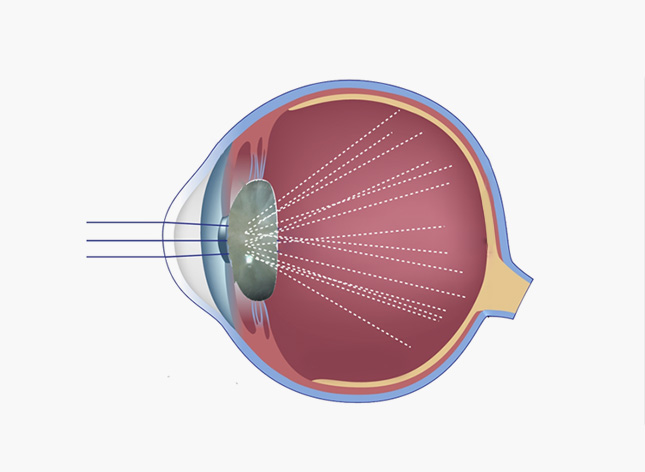
Q. How is vitrectomy performed?
During vitrectomy, the surgeon creates three tiny sutureless entry ports, each smaller than one millimeter, in the white part of the eye (sclera). Through these ports, the surgeon removes the cloudy or bleeding vitreous gel, relieves traction on the retina, and treats the underlying problem directly, such as sealing a retinal tear with laser or peeling a scar membrane from the macula.
At the end of surgery, the eye may be filled with a gas bubble or, less commonly, silicone oil to hold the retina in place while it heals. The tiny incisions are self-sealing in most cases and rarely require stitches.
Q. What is recovery like after vitrectomy?
Most patients notice blurred vision for one to several weeks after vitrectomy, especially if a gas bubble was placed in the eye, since the bubble itself blocks clear vision until it is gradually absorbed. Redness, mild discomfort, and light sensitivity typically improve within the first week.
Patients return to Nunehim Eye Center for follow-up visits within one day, one week, and one month after surgery so Dr. Daniel Baik can confirm the retina is healing properly. Full visual recovery can take anywhere from a few weeks to several months, depending on the condition treated.

Q. What symptoms after surgery need urgent attention?
- Sudden, severe eye pain that worsens rather than improves
- A sudden decrease in vision or a new curtain-like shadow
- A significant increase in flashes of light or floaters
- Increasing redness, swelling, or discharge from the eye
- Fever or chills, which may signal infection
Contact Nunehim Eye Center immediately if any of these occur. Same-day urgent appointments are available for post-surgical patients in Yeongdeungpo, Guro, and Gasan.
Before Surgery
Comprehensive retinal exam, OCT and/or ultrasound imaging, and a detailed discussion of anesthesia options and expected recovery.
Day of Surgery
Outpatient or short-stay procedure lasting 30 to 90 minutes, performed under local or general anesthesia with sutureless small-gauge instruments.
Recovery Timeline
Positioning (if needed) for several days to a week, follow-up visits at 1 day, 1 week, and 1 month, with full recovery over weeks to months.
Q. What does Dr. Daniel Baik say about vitrectomy recovery?
In my practice at Nunehim Eye Center, I have found that patients recover best when they understand exactly what to expect at each stage of vitrectomy. I always take extra time with patients from Yeongdeungpo, Guro, and Gasan who are facing a retinal problem for the first time, because clear communication makes a frightening diagnosis feel manageable. My goal is to protect and restore vision as safely and quickly as possible. — Dr. Daniel Baik, Board-Certified Ophthalmologist

❓ Frequently Asked Questions
Q. Is vitrectomy painful?
Vitrectomy is performed under local or general anesthesia, so patients do not feel pain during the procedure. Mild soreness, grittiness, or pressure in the eye is common for the first few days after surgery and is usually managed with prescribed eye drops and oral pain relievers.
Q. How long does vitrectomy surgery take?
Most small-gauge vitrectomy procedures at Nunehim Eye Center take between 30 and 90 minutes, depending on the underlying condition. Complex retinal detachment repair or membrane peeling may take longer.
Q. Will I need to position my head after surgery?
If a gas bubble is used to help the retina heal, patients may be asked to keep their head in a specific position, such as face-down, for several days to a week. Dr. Daniel Baik provides a personalized positioning schedule based on the location of the retinal problem.
Q. How soon can I return to work after vitrectomy?
Many patients with desk jobs return to work within one to two weeks, while those in physically demanding roles or requiring head positioning may need three to four weeks. Recovery timeline depends on the reason for surgery and whether a gas or oil tamponade was used.
Q. Is vitrectomy covered by Korean National Health Insurance?
Vitrectomy performed for medically necessary conditions such as retinal detachment, diabetic vitreous hemorrhage, or macular hole is generally covered under Korean National Health Insurance, which significantly reduces out-of-pocket costs for Korean residents and registered foreign residents alike.
Q. Can I fly after vitrectomy with gas tamponade?
Air travel must be avoided while a gas bubble remains in the eye, because cabin pressure changes can cause a dangerous rise in eye pressure. Depending on the gas used, this restriction typically lasts two to eight weeks, and Dr. Daniel Baik confirms when it is safe to fly.
Q. What is the success rate of vitrectomy for retinal detachment?
Single-surgery anatomical reattachment rates for vitrectomy are generally reported between 85 and 95 percent, though outcomes depend on how long the retina was detached, whether the macula was involved, and overall eye health. Early diagnosis and prompt treatment meaningfully improve visual outcomes.

Book a Consultation
Concerned about retinal detachment, floaters, or vitreous hemorrhage? Schedule a comprehensive retinal evaluation with Dr. Daniel Baik in Guro, Seoul.
Or visit nunehim.com
📍 Visit Nunehim Eye Center — Guro, Seoul
Convenient access from Guro, Gasan, Gwanak & Dongjak. Near Guro Digital Complex Station (Line 2).
Address
551 Siheung-daero, Guro-gu, Seoul / nunehim.com
Hours
Mon–Fri 09:00–18:30 (lunch 13:00–14:00), Sat 09:00–14:00
Languages
Korean & English


Leave a comment