Glaucoma vs Normal Eye Pressure: What Every Adult in Seoul Should Know
A board-certified ophthalmologist explains glaucoma eye pressure — and how to protect your vision in Yeongdeungpo, Guro, Gasan & Gwanak.
Quick Answer: Glaucoma Eye Pressure
Normal eye pressure (intraocular pressure, or IOP) generally falls between 10 and 21 mmHg. Glaucoma is a disease of the optic nerve that often — but not always — occurs alongside elevated eye pressure. The critical point: you can have “normal” eye pressure and still have glaucoma, and you can have high eye pressure and never develop glaucoma. Regular screening, not pressure alone, is what protects your vision.
Q. What is glaucoma?
Glaucoma is a group of eye conditions that progressively damage the optic nerve, the cable that carries visual information from your eye to your brain. It is the second leading cause of irreversible blindness worldwide. Because early glaucoma typically causes no pain and no noticeable symptoms, many adults in Seoul are living with the condition without knowing it — vision loss usually begins in the peripheral field and only becomes obvious once significant damage has already occurred.
Q. What is considered normal eye pressure?
Normal intraocular pressure (IOP) is generally defined as 10-21 mmHg, with a population average around 15-16 mmHg. Eye pressure is created by the continuous production and drainage of aqueous humor, the clear fluid inside the eye. When drainage is impaired, pressure rises and can damage the optic nerve over time. However, eye pressure naturally varies through the day and differs between individuals, which is why a single reading is never the full story — your optic nerve health matters just as much as the number.
Glaucoma in Korea: What the Data Shows
- ▸ Population studies including the Namil Study found glaucoma prevalence of roughly 9-10% among Korean adults over 40.
- ▸ Normal-tension glaucoma accounts for an estimated 70-80% of open-angle glaucoma cases among Koreans — far higher than in Western populations.
- ▸ Korea has one of the highest myopia rates in the world, and high myopia roughly doubles glaucoma risk.
- ▸ Studies suggest more than half of glaucoma cases in Korea remain undiagnosed until screened.
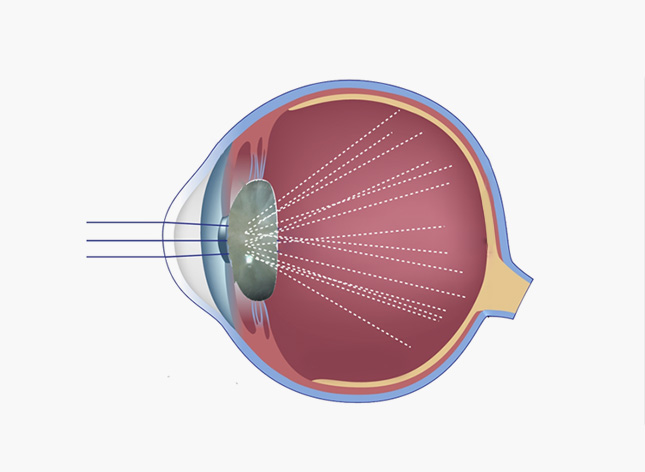
Q. What are the treatment options for glaucoma?
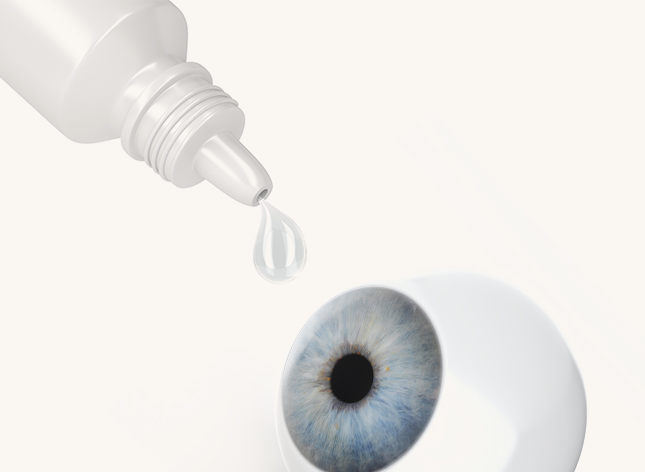
Treatment is chosen based on glaucoma type and severity. Most patients begin with daily pressure-lowering eye drops, which are effective and well tolerated for the majority of people. When drops are not enough, selective laser trabeculoplasty (SLT) can improve fluid drainage in a brief outpatient procedure.
For more advanced or difficult-to-control cases, minimally invasive glaucoma surgery (MIGS) or traditional filtering surgery may be recommended. At Nunehim Eye Center, Dr. Daniel Baik tailors the treatment plan to each patient’s pressure pattern, optic nerve status, and lifestyle.
Q. Can you have glaucoma with normal eye pressure?
Yes — this is called normal-tension glaucoma (NTG), and it is notably common among Koreans, accounting for a majority of open-angle glaucoma cases in Korean population studies. In NTG, the optic nerve is damaged even though IOP stays within the statistically normal range, likely due to factors such as reduced blood flow to the optic nerve or individual nerve sensitivity.
This is precisely why optic nerve imaging (OCT) and visual field testing are essential parts of a proper glaucoma evaluation — a “normal” pressure reading alone is not enough to rule the disease out.
Q. When should I see a doctor in Seoul?
- You are over 40 and have never had a glaucoma screening
- You have a parent or sibling with glaucoma
- You have high myopia, diabetes, or use long-term steroid medication
- You notice patchy or narrowing peripheral vision
- You experience sudden eye pain, halos around lights, or nausea — seek care immediately, as this may signal acute angle-closure glaucoma
Early Stage
No symptoms. Detected only through screening. Peripheral vision and optic nerve appear normal or minimally affected.
Moderate Stage
Measurable peripheral vision loss on visual field testing. Central vision still normal. Treatment aims to halt progression.
Advanced Stage
Significant tunnel vision or central vision involvement. Underscores why early detection matters — lost vision cannot be recovered.
A Note from Dr. Daniel Baik
“Glaucoma rarely announces itself. In my practice, I meet patients in Yeongdeungpo and Guro who assumed their vision was fine simply because nothing hurt. A five-minute pressure check and optic nerve scan is often the only way to catch it early enough to protect what you have left.”
❓ Frequently Asked Questions
Q. Is glaucoma curable?
Glaucoma cannot currently be cured, but it can almost always be controlled. With early diagnosis and consistent treatment—whether eye drops, laser therapy, or surgery—most patients keep useful vision for life. The goal of treatment is to protect the optic nerve from further damage, since vision already lost to glaucoma cannot be restored.
Q. Does high eye pressure always mean glaucoma?
No. Many people with elevated eye pressure (called ocular hypertension) never develop optic nerve damage and never need treatment beyond monitoring. Conversely, some patients develop glaucoma with pressure readings inside the normal range, a pattern called normal-tension glaucoma. This is why eye pressure alone is never enough to diagnose or rule out glaucoma.
Q. How is eye pressure measured?
Intraocular pressure (IOP) is measured with tonometry, most accurately using Goldmann applanation tonometry after a drop of numbing anesthetic. A quick puff-of-air tonometer is often used for screening. At Nunehim Eye Center, we combine IOP measurement with optic nerve imaging (OCT) and visual field testing for a complete picture.
Q. Am I at higher risk for glaucoma?
Risk rises after age 40, and further with a family history of glaucoma, high myopia (nearsightedness), diabetes, long-term steroid use, or previous eye injury. Because Korea has one of the highest myopia rates in the world, many adults in Seoul carry this risk factor without realizing it.
Q. How often should I get my eye pressure checked?
Adults over 40 without risk factors should have a baseline glaucoma screening, then follow-up every 1-2 years. If you have a family history of glaucoma, diabetes, or high myopia, annual screening from age 35 is a safer interval. Patients already diagnosed with glaucoma are typically monitored every 3-6 months.
Q. Does glaucoma cause pain?
Chronic open-angle glaucoma, the most common form, is usually painless, which is exactly why it is called the silent thief of sight—vision loss happens gradually and peripherally, often unnoticed until it is advanced. Acute angle-closure glaucoma is the exception: it causes sudden eye pain, headache, blurred vision, and nausea, and requires emergency care.
Q. What happens during a glaucoma screening at Nunehim Eye Center?
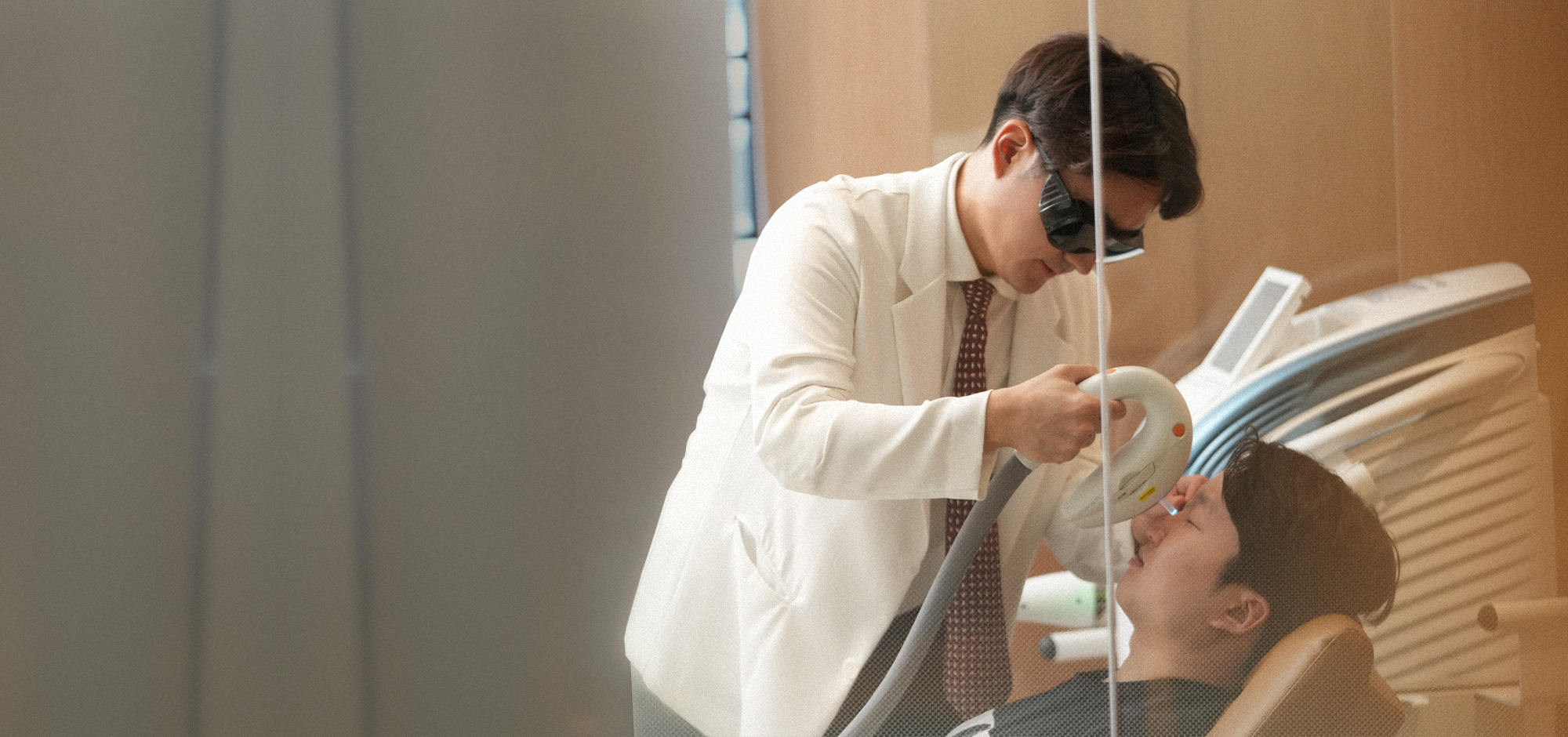
Dr. Daniel Baik performs intraocular pressure testing, optic nerve evaluation with OCT imaging, and, when indicated, visual field testing. The full screening takes about 30-40 minutes, and results—along with a personalized monitoring plan—are explained the same day in Korean or English.

Book a Consultation
Concerned about glaucoma or your eye pressure? Dr. Daniel Baik offers glaucoma screening and management in English and Korean, serving Yeongdeungpo, Guro, Gasan, and Gwanak.
Or visit nunehim.com
📍 Visit Nunehim Eye Center — Guro, Seoul
Convenient access from Guro, Gasan, Gwanak & Dongjak. Near Guro Digital Complex Station (Line 2). We also welcome patients from Yeongdeungpo for glaucoma eye pressure screening.
Address
551 Siheung-daero, Guro-gu, Seoul
nunehim.com
Hours
Mon–Fri 09:00–18:30 (lunch 13–14)
Sat 09:00–14:00
Languages
Korean & English


Leave a comment