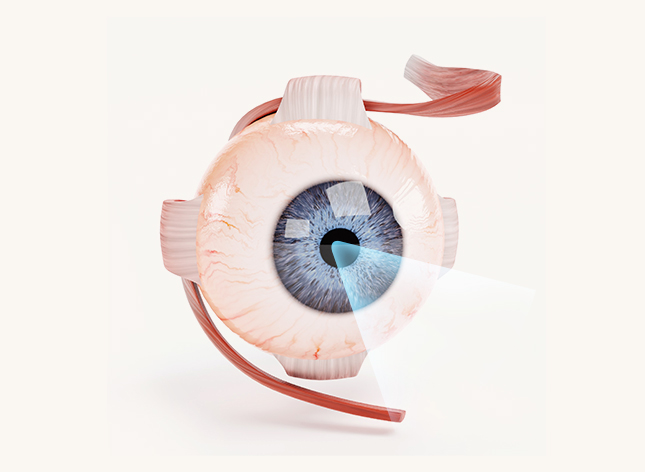
How Often Should You Get an Eye Exam? A Guide for Expats in Seoul
A board-certified ophthalmologist’s guide to eye exam frequency for expats living in Yeongdeungpo, Guro, Gasan & Gwanak, Seoul.
Quick Answer: Eye Exam How Often in Seoul
Healthy adults aged 20-39 should get a comprehensive eye exam every two years; adults 40-64 every one to two years; and adults 65+ annually. Contact lens wearers, people with diabetes, high myopia, or a family history of glaucoma should be seen every year regardless of age. Children should have their first exam around age 3-4 and annual checks through school.
Q. What is a comprehensive eye exam?
A comprehensive eye exam goes well beyond reading a chart for glasses. It typically includes visual acuity and refraction, intraocular pressure (IOP) measurement, and an examination or imaging of the retina and optic nerve. At Nunehim Eye Center, we also use OCT (optical coherence tomography) imaging to detect early changes invisible to the naked eye — the same technology used to screen for glaucoma and macular disease.
Q. How often should adults get eye exams in Seoul?
For most healthy adults without symptoms or risk factors, an exam every one to two years is sufficient to catch problems early. The interval shortens with age and with certain risk factors — diabetes, high myopia, a family history of glaucoma, long-term steroid use, or contact lens wear all justify annual exams. Because eye disease often has no early symptoms, exams should be scheduled proactively, not only when something feels wrong.
Eye Health in Korea: What the Data Shows
- ▸ Conscription-based studies have found myopia rates near 96% among young Korean men in Seoul, among the highest in the world.
- ▸ Long screen and near-work hours are a well-documented risk factor for myopia progression in Korean adults and children alike.
- ▸ A large share of glaucoma and diabetic eye disease in Korea is diagnosed only after symptoms appear, despite being detectable years earlier through screening.
- ▸ Seoul’s aging population has driven rising rates of age-related conditions such as cataracts and macular degeneration.
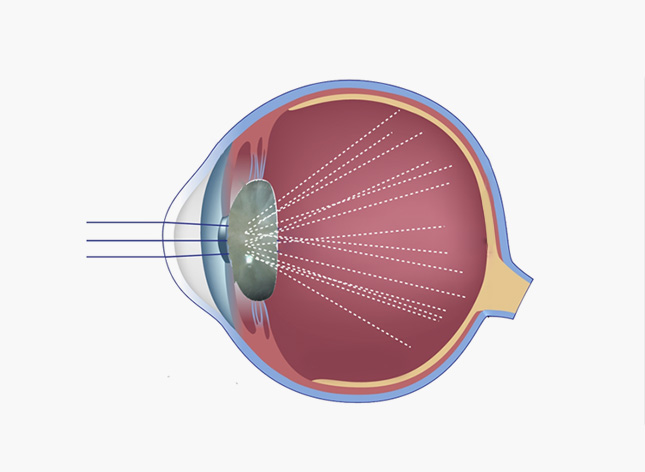
Q. What does an eye exam at Nunehim Eye Center include?
Your visit includes visual acuity testing, refraction for glasses or contact lens prescriptions, intraocular pressure measurement, and slit-lamp examination of the front of the eye. Depending on your risk factors, Dr. Daniel Baik may add OCT optic nerve imaging, retinal photography, or visual field testing.
For patients interested in vision correction, we also evaluate candidacy for TransPRK or 2-Day LASEK, and fit OK lenses (orthokeratology) for those who prefer a non-surgical option.
Q. Who needs more frequent eye exams?
Certain groups benefit from annual, rather than biennial, exams: contact lens wearers, people with diabetes or high blood pressure, anyone with high myopia (a significant risk factor for retinal detachment and glaucoma), and those with a family history of glaucoma or macular degeneration.
Expats new to Seoul’s air quality, screen-heavy work culture, and dry indoor heating in winter may also notice increased eye strain and dryness — worth mentioning at your exam even if it seems minor.
Q. When should you get an eye exam sooner, regardless of schedule?
- Sudden blurred or double vision
- Flashes of light, new floaters, or a curtain-like shadow in your vision
- Eye pain, redness, or unusual sensitivity to light
- Difficulty seeing at night or while driving
- Headaches associated with visual tasks or screen time
Ages 20-39
Every 2 years if healthy. Annually if you wear contacts, have diabetes, or high myopia.
Ages 40-64
Every 1-2 years. This is when glaucoma and presbyopia risk begins rising sharply.
Ages 65+
Annually. Cataracts, macular degeneration, and glaucoma become significantly more common.
A Note from Dr. Daniel Baik
“Many expats in Guro and Yeongdeungpo tell me it has been years since their last eye exam simply because they were not sure where to go. A proper exam takes under an hour and can catch conditions — glaucoma especially — long before you would ever notice them yourself.”
❓ Frequently Asked Questions
Q. Do I need an eye exam if my vision seems fine?
Yes. Many serious eye conditions, including glaucoma and early diabetic retinopathy, cause no symptoms until vision is already permanently affected. A comprehensive exam checks the health of your optic nerve and retina, not just how clearly you read a chart, so “seeing fine” does not rule out disease.
Q. How often should contact lens wearers get exams?
Contact lens wearers should have an eye exam at least once a year, regardless of age, since lenses raise the risk of corneal infection, dryness, and hypoxia-related complications. Soft lens and OK lens (orthokeratology) wearers in particular need regular fit checks to prevent long-term corneal damage.
Q. What is the difference between an eye exam and a vision screening?
A vision screening — like the chart test at a pharmacy or optical shop — only estimates your glasses prescription. A comprehensive eye exam includes intraocular pressure measurement, a dilated or imaged view of the retina and optic nerve, and screening for conditions such as glaucoma, cataracts, and macular disease.
Q. Can eye exams detect diseases beyond the eye?
Yes. The retina is the only place in the body where blood vessels can be viewed directly without surgery, so eye exams frequently reveal early signs of diabetes, high blood pressure, and certain autoimmune or neurological conditions before those diseases are otherwise diagnosed.
Q. Do children need regular eye exams?
Yes — early screening matters even more for children, since Korea has one of the highest childhood myopia rates in the world. Undetected vision problems can affect learning and, if untreated in early childhood, can cause permanent amblyopia (“lazy eye”). We recommend a first exam by age 3-4 and annual checks through school age.
Q. Is an eye exam covered by Korean National Health Insurance?
Diagnostic eye exams tied to a medical concern are generally covered, in part, by Korean National Health Insurance (NHIS) for both residents and many visa holders enrolled in the system. Routine refraction-only checks for glasses updates are typically not covered. Our staff can help clarify coverage before your visit.
Q. What should expats bring to their first eye exam in Seoul?
Bring your ARC (Alien Registration Card) or passport, your NHIS card if enrolled, a list of current medications, and your current glasses or contact lens prescription if available. Dr. Daniel Baik consults in both English and Korean, so language is not a barrier.

Book a Consultation
Due for an eye exam? Dr. Daniel Baik offers comprehensive eye exams in English and Korean, serving Yeongdeungpo, Guro, Gasan, and Gwanak.
Or visit nunehim.com
📍 Visit Nunehim Eye Center — Guro, Seoul
Convenient access from Guro, Gasan, Gwanak & Dongjak. Near Guro Digital Complex Station (Line 2). We also welcome patients from Yeongdeungpo for comprehensive eye exams.
Address
551 Siheung-daero, Guro-gu, Seoul
nunehim.com
Hours
Mon–Fri 09:00–18:30 (lunch 13–14)
Sat 09:00–14:00
Languages
Korean & English


Leave a comment