Allergic Conjunctivitis in Seoul: Causes, Symptoms & Relief
A clear, practical guide for Yeongdeungpo, Guro, Gasan & Gwanak residents dealing with itchy, red, watery eyes.
Quick Answer
Allergic conjunctivitis in Seoul is most often triggered by spring pollen, yellow dust (hwangsa), and year-round dust mites, causing itchy, red, watery eyes in both eyes at once. It is not contagious, and most cases improve with cold compresses, preservative-free artificial tears, and antihistamine eye drops — but persistent or severe symptoms should be evaluated by an eye doctor.
Q. What is allergic conjunctivitis?
Allergic conjunctivitis is inflammation of the conjunctiva — the clear membrane covering the white of the eye and inner eyelid — caused by an allergic reaction rather than an infection. In Seoul, the two biggest local triggers are seasonal (spring tree and grass pollen, plus yellow dust events from March to May) and perennial (indoor dust mites, mold, and pet dander that cause symptoms year-round). Residents of Yeongdeungpo, Guro, Gasan, and Gwanak often notice flare-ups coinciding with high fine-dust advisory days.
Patterns we commonly see in Korean patients
- ▸ Sharp seasonal spikes during spring pollen and yellow dust (hwangsa) season
- ▸ A second, smaller rise in early autumn ragweed season
- ▸ Frequent overlap with allergic rhinitis (“eye and nose allergy” together)
- ▸ Higher indoor dust-mite-related symptoms in older apartment buildings with less ventilation
Q. What are the symptoms of allergic conjunctivitis?
The hallmark symptom is itching — if the eyes are red and watery but not itchy, another cause is more likely. Typical signs include:
- Itchy, burning eyes, usually in both eyes at the same time
- Watery or stringy, mucous-like discharge
- Redness and mild swelling of the eyelids or conjunctiva
- A gritty or “sandy” sensation, sometimes with light sensitivity
- Symptoms that worsen outdoors on high-pollen or high-dust days, or after contact with pets or dusty rooms
Q. How is allergic conjunctivitis treated?
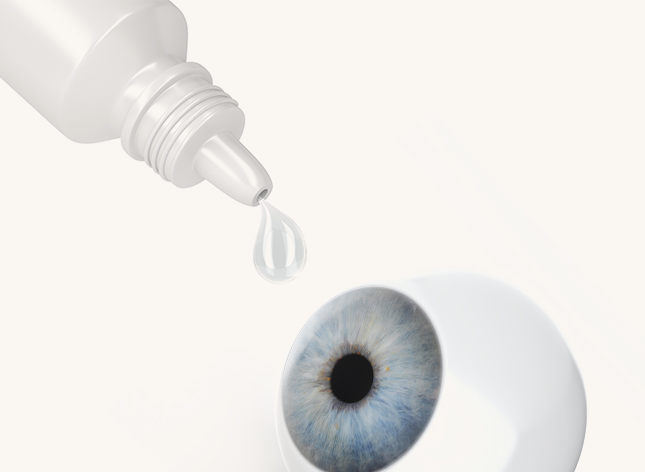
First-line treatment starts simple: cold compresses to reduce swelling, preservative-free artificial tears to flush out allergens, and avoiding rubbing the eyes. For more persistent cases, antihistamine/mast-cell-stabilizing eye drops (such as olopatadine) are highly effective and can be used safely for the full pollen season under guidance.
Oral antihistamines help when eye symptoms overlap with nasal allergies. Decongestant “redness-relief” drops should be avoided beyond a few days, since they can cause rebound redness with prolonged use.
Q. What can I do to prevent flare-ups?
Checking the daily fine-dust and pollen forecast before spending time outdoors is one of the most effective habits for residents around Guro Digital Complex and Gasan Digital Complex, where many patients commute outdoors daily. Simple measures make a real difference:
- Keep windows closed and use an air purifier on high pollen/dust days
- Rinse the face and hands after coming home during hwangsa events
- Wash bedding weekly in hot water if dust mites are suspected
- Switch to daily disposable contact lenses, or glasses during flare-ups
Q. When should I see an eye doctor in Seoul?
- Symptoms persist more than two weeks despite over-the-counter drops
- Eyelids are significantly swollen or painful, not just itchy
- Vision feels blurred or light sensitivity is severe
- A child is rubbing their eyes constantly or has thick discharge
- You are unsure whether the cause is allergy, viral, or bacterial conjunctivitis
Mild
Occasional itching and redness, well controlled with artificial tears and cold compresses.
Moderate
Daily symptoms during pollen/dust season, usually needing antihistamine eye drops for several weeks.
Severe
Marked swelling, light sensitivity, or corneal involvement — needs prompt evaluation, especially in children.
Q. What does Nunehim Eye Center’s doctor say?
“In our clinic serving Yeongdeungpo, Guro, and Gasan, I see a clear rise in allergic conjunctivitis every spring when yellow dust advisories are issued. Most patients do very well with the right combination of eye drops and simple daily habits — the key is not waiting too long if symptoms feel severe or keep coming back.” — Dr. Daniel Baik, board-certified ophthalmologist
❓ Frequently Asked Questions
Q. Is allergic conjunctivitis contagious?
No. Unlike viral or bacterial conjunctivitis, allergic conjunctivitis is an immune reaction to an allergen — such as pollen, dust, or pet dander — and cannot be spread from person to person. This is one of the easiest ways to tell it apart from infectious “pink eye.”
Q. How can I tell allergic conjunctivitis apart from viral pink eye?
Allergic conjunctivitis almost always affects both eyes at once and causes intense itching with watery, stringy discharge. Viral conjunctivitis often starts in one eye, spreads to the other within days, and tends to produce a clearer, more watery discharge along with cold-like symptoms. If you are unsure, an eye exam at a clinic in Seoul can confirm the diagnosis quickly.
Q. Can I still wear contact lenses if I have allergies?
It is best to switch to glasses during a flare-up. Contact lenses can trap allergens against the eye surface and worsen irritation. Once symptoms settle, daily disposable lenses are usually the most comfortable option for allergy-prone patients.
Q. How long do symptoms usually last?
Seasonal allergic conjunctivitis typically lasts as long as the trigger is present — often several weeks during spring pollen or yellow dust (hwangsa) season. Perennial forms triggered by dust mites or pet dander can persist year-round unless the underlying exposure is addressed.
Q. Are over-the-counter antihistamine eye drops safe to use long-term?
Most artificial tears and antihistamine drops are safe for regular seasonal use, but drops containing decongestants (the kind that “get the red out”) should not be used for more than a few days, as they can cause rebound redness. If you find yourself using drops daily for more than two to three weeks, a follow-up visit is recommended.
Q. When should a child with itchy, red eyes see an eye doctor in Seoul?
Children who rub their eyes persistently, have swollen eyelids, sensitivity to light, or any change in vision should be examined promptly. Severe pediatric allergic eye disease, such as vernal keratoconjunctivitis, can affect the cornea if left untreated, so earlier evaluation is always safer.
Q. Can allergic conjunctivitis permanently affect vision?
Typical seasonal allergic conjunctivitis does not damage vision. However, chronic, severe forms — particularly vernal or atopic keratoconjunctivitis — can occasionally affect the cornea if untreated for a long time. This is why persistent or severe symptoms warrant a proper clinical evaluation rather than long-term self-treatment.

Book a Consultation
If itchy, red eyes keep coming back, Nunehim Eye Center in Guro-gu welcomes patients from Yeongdeungpo, Gasan, and Gwanak for prompt allergy eye care in Korean or English.
nunehim.com
📍 Visit Nunehim Eye Center — Guro, Seoul
Convenient access from Guro, Gasan, Gwanak & Dongjak. Near Guro Digital Complex Station (Line 2).
Address: 551 Siheung-daero, Guro-gu, Seoul / nunehim.com
Hours: Mon–Fri 09:00–18:30 (lunch 13–14), Sat 09:00–14:00
Languages: Korean & English


Leave a comment