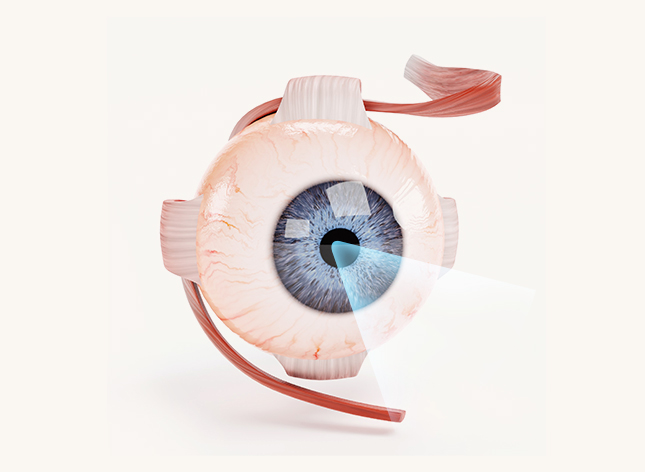
Diabetic Eye Disease: What People with Diabetes Must Know
A Seoul ophthalmologist’s guide for patients in Guro, Yeongdeungpo, Gasan & Gwanak
Quick Answer
Diabetic eye disease Seoul patients should know about includes diabetic retinopathy and diabetic macular edema — both caused by high blood sugar damaging the tiny blood vessels of the retina. Left unscreened, it is a leading cause of preventable blindness in adults, but annual dilated eye exams and timely treatment can prevent most severe vision loss.
Q. What is diabetic eye disease?
Diabetic eye disease is an umbrella term for several eye conditions caused by diabetes, most importantly diabetic retinopathy and diabetic macular edema. Chronically elevated blood sugar damages the small blood vessels feeding the retina, causing them to leak fluid and blood, or to close off entirely and trigger abnormal new vessel growth. At Nunehim Eye Center, we see a steady stream of diabetic patients from across Guro, Yeongdeungpo, Gasan, and Gwanak whose retinopathy was found only because of a routine screening — not because they noticed any change in vision.
Q. What are the symptoms and warning signs?
- Blurred or fluctuating vision, often worse when blood sugar is unstable
- Dark spots or “floaters” drifting across your visual field
- Difficulty seeing at night or in dim lighting
- Colors appearing faded or washed out
- Sudden vision loss, which can signal vitreous hemorrhage or retinal detachment — a same-day emergency
Diabetic Eye Disease in Korea: Key Statistics
- ▸ Roughly 1 in 4 adults with type 2 diabetes in Korea shows some sign of diabetic retinopathy
- ▸ Diabetic retinopathy remains a leading cause of new blindness among working-age Korean adults
- ▸ Risk rises sharply after 10+ years of diabetes duration
- ▸ Fewer than half of diagnosed diabetics in Korea get the recommended annual dilated eye exam
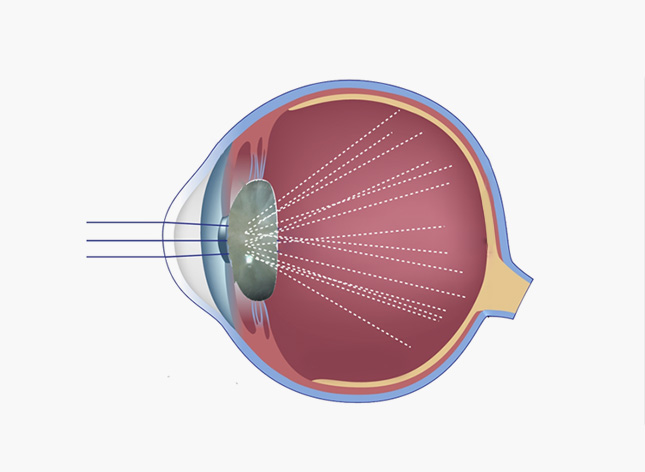
Q. What treatment options are available?
Treatment depends on stage. Early non-proliferative retinopathy is managed with tighter systemic control and closer monitoring. Diabetic macular edema is typically treated with anti-VEGF injections directly into the eye, which reduce swelling and preserve central vision. More advanced, proliferative retinopathy may require laser photocoagulation or, in severe cases, vitrectomy surgery to clear bleeding and repair the retina.
Patients from Yeongdeungpo and Gasan often ask whether treatment can fully restore lost vision — the honest answer is that treatment aims primarily to stop further damage and preserve remaining vision, which is why catching disease early matters so much.
Q. How is diabetic eye disease diagnosed?
Diagnosis combines a dilated fundus exam with optical coherence tomography (OCT) to measure retinal thickness and detect fluid, and sometimes fluorescein angiography to map abnormal blood vessels. These tests are painless and typically completed within a single visit at our Guro-gu clinic, with results reviewed the same day.
⚠ When to Seek Emergency Care
- Sudden onset of many new floaters or flashes of light
- A curtain or shadow spreading across your vision
- Sudden, painless loss of vision in one eye
- Rapidly worsening blurriness over a few days
Stage 1: Mild NPDR
Small microaneurysms form. Usually no symptoms. Managed with monitoring and systemic control.
Stage 2: Moderate–Severe NPDR
More vessel damage and leakage. Macular edema risk rises. Closer follow-up needed.
Stage 3: Proliferative DR
Abnormal new vessels grow, risking hemorrhage and retinal detachment. Urgent treatment required.
A Note From Dr. Daniel Baik
“As a board-certified ophthalmologist, the diabetic patients I worry about most are the ones who feel fine. Diabetic eye disease rarely announces itself early, which is exactly why I encourage every diabetic patient across Guro, Yeongdeungpo, Gasan, and Gwanak to keep their annual screening — it is the single most effective way we catch damage while it’s still treatable.”

❓ Frequently Asked Questions
Q. Does diabetes really affect my eyes even if my vision feels fine?
Yes. Diabetic retinopathy often develops silently for years before any change in vision is noticed. In Korea, national diabetes-eye screening data show that a meaningful share of type 2 diabetics already have some degree of retinopathy at the time of diagnosis, simply because blood sugar had been elevated long before diabetes was formally diagnosed. This is why annual dilated eye exams are recommended for every diabetic patient in Seoul, regardless of how sharp their vision currently feels.
Q. How often should diabetics get eye exams in Seoul?
Most diabetic patients should have a comprehensive dilated eye exam once a year. If retinopathy or diabetic macular edema is already present, your ophthalmologist in Guro or Yeongdeungpo may recommend checks every 3 to 6 months. Patients planning pregnancy with pre-existing diabetes need more frequent monitoring, since pregnancy can accelerate retinopathy progression.
Q. Can diabetic retinopathy be reversed?
Early-stage, mild non-proliferative diabetic retinopathy can sometimes stabilize or even partially improve with tight blood sugar, blood pressure, and lipid control. However, once proliferative changes or significant macular edema develop, damage is generally permanent, which is why early detection through regular screening in Seoul clinics is so important.
Q. What is diabetic macular edema?
Diabetic macular edema, or DME, is swelling of the macula — the central part of the retina responsible for sharp, detailed vision — caused by fluid leaking from damaged blood vessels. It is the leading cause of vision loss in diabetic patients and can occur at any stage of diabetic retinopathy, which is why macular imaging (OCT) is part of every diabetic eye exam at our Guro clinic.
Q. Are anti-VEGF injections painful?
Most patients describe the injection as a brief pressure sensation rather than significant pain, since the eye surface is numbed with topical anesthetic beforehand. The procedure itself takes only a few minutes, and patients typically resume normal activity the same day.
Q. Does blood sugar control alone prevent diabetic eye disease?
Blood sugar control is the single most important factor, but blood pressure and cholesterol management also play major roles in slowing retinopathy progression. Even with excellent HbA1c control, patients living in Yeongdeungpo, Gasan, or Gwanak should still keep annual eye exams, since duration of diabetes itself is an independent risk factor.
Q. Can I still get LASEK or OK lens if I have diabetes?
Well-controlled diabetes without active retinopathy is generally not a barrier to vision correction options such as TransPRK/2-Day LASEK or orthokeratology (OK) lenses. Your ophthalmologist will first confirm your retina is stable and your blood sugar is well managed before recommending any refractive procedure.

Book a Consultation
Concerned about diabetic eye disease? Nunehim Eye Center in Guro-gu serves patients across Yeongdeungpo, Gasan, and Gwanak with comprehensive diabetic retinal screening.
nunehim.com
📍 Visit Nunehim Eye Center — Guro, Seoul
Convenient access from Guro, Gasan, Gwanak & Dongjak. Near Guro Digital Complex Station (Line 2).
Address: 551 Siheung-daero, Guro-gu, Seoul
nunehim.com
Hours: Mon–Fri 09:00–18:30 (lunch 13–14)
Sat 09:00–14:00
Languages: Korean & English


Leave a comment