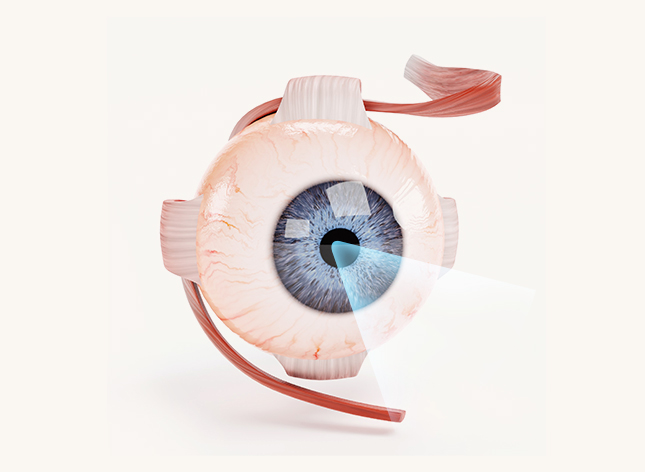
Retinal Detachment: Emergency Symptoms Every Seoul Resident Should Know
An emergency guide from Nunehim Eye Center, serving Guro, Yeongdeungpo, Gasan & Gwanak
Quick Answer
Retinal detachment symptoms include a sudden shower of new floaters, flashes of light, and a dark curtain or shadow spreading across your vision. This is a same-day ophthalmic emergency — delaying care risks permanent vision loss. Anyone in Seoul experiencing these signs should seek urgent evaluation immediately rather than waiting to see if it improves.
Q. What is retinal detachment?
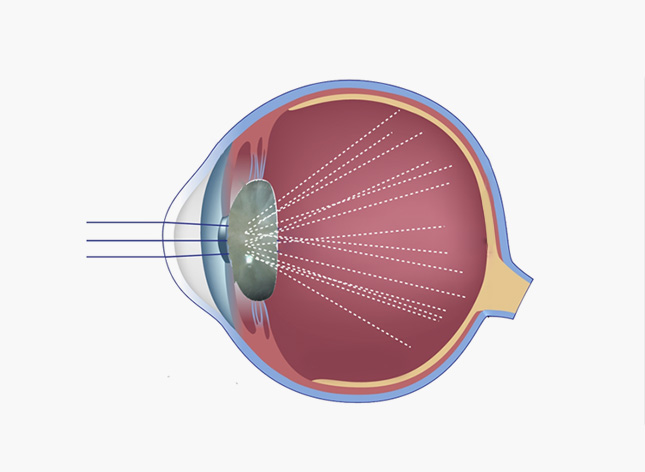
Retinal detachment occurs when the retina — the light-sensing layer at the back of the eye — separates from the underlying tissue that supplies it with oxygen and nutrients. Without prompt reattachment, the detached retina can suffer permanent, irreversible cell death, leading to lasting vision loss or blindness in the affected area.
Q. What are the emergency symptoms and signs?
- A sudden increase in floaters — small dark specks or cobweb-like shapes drifting in your vision
- Flashes of light (photopsia), especially in peripheral vision
- A dark curtain, shadow, or veil spreading across part of your visual field
- Sudden blurring or a general dimming of vision
- Loss of peripheral vision that progresses toward the center
Retinal Detachment Risk in Korea: Key Statistics
- ▸ Korea has among the highest rates of myopia in the world, a major driver of retinal detachment risk
- ▸ High myopia (over -6.00 diopters) raises lifetime retinal detachment risk several-fold compared to normal vision
- ▸ Roughly 1 in 10,000 people per year experience a retinal detachment, higher among highly myopic populations
- ▸ Same-day treatment for tears before full detachment prevents progression in the vast majority of cases
Q. What treatment and management options exist?
Small retinal tears without detachment can often be sealed in-office with laser photocoagulation or cryotherapy, preventing progression to full detachment. Once detachment has occurred, surgical repair is required — options include pneumatic retinopexy (a gas bubble injection), scleral buckle surgery, or vitrectomy, chosen based on the location and extent of the detachment.
Patients from Yeongdeungpo and Gasan are typically referred the same day to a retina specialist once detachment is confirmed, since timing directly affects visual outcome.
Q. When should I see a doctor in Seoul?
Immediately — the same day symptoms start. New floaters and flashes alone warrant an urgent dilated retinal exam within 24 hours. If you notice a shadow or curtain spreading across your vision, this suggests active detachment and needs same-day emergency evaluation, ideally within hours, at a clinic equipped to assess and refer for retina surgery.

⚠ Do Not Wait If You Notice:
- A sudden shower of many new floaters
- New flashes of light in your side vision
- A shadow or curtain moving across your visual field
- Sudden loss of any part of your vision
Stage 1: Posterior Vitreous Detachment
Vitreous gel pulls away from retina. New floaters/flashes. May resolve without tear.
Stage 2: Retinal Tear
A tear forms, risking fluid seeping underneath. Same-day laser or cryotherapy can seal it.
Stage 3: Full Detachment
Retina lifts away from the eye wall. Urgent surgical repair needed to save vision.
A Note From Dr. Daniel Baik
“As a board-certified ophthalmologist, retinal detachment is one of the few true emergencies I see. The single biggest factor in visual outcome is time — patients across Guro, Yeongdeungpo, Gasan, and Gwanak who come in the same day new floaters or a shadow appear almost always do better than those who wait even a few days.”
❓ Frequently Asked Questions
Q. Is retinal detachment always an emergency?
Yes. Retinal detachment is one of the true ophthalmic emergencies — the longer the retina stays detached, especially once it involves the macula, the lower the chance of recovering good central vision. Anyone in Seoul with sudden flashes, a shower of new floaters, or a shadow moving across their vision should be seen the same day, not the next week.
Q. What causes retinal detachment?
Most cases start with a posterior vitreous detachment that tears the retina, allowing fluid to seep underneath and lift it away from the back of the eye. Risk factors include high myopia (very common in Korea), previous eye surgery or trauma, and a family history of retinal detachment.
Q. Am I at higher risk because I am nearsighted?
Yes. High myopia stretches and thins the retina, making it more prone to tears. Korea has one of the highest rates of myopia in the world, which is one reason we see a steady number of retinal detachment and retinal tear cases at our Guro-gu clinic each year, including in patients from Yeongdeungpo, Gasan, and Gwanak.
Q. How is retinal detachment treated?
Treatment depends on the type and extent of detachment. Options include laser photocoagulation or cryotherapy for small tears without detachment, pneumatic retinopexy, scleral buckle surgery, or vitrectomy for more extensive detachments. Nearly all cases require prompt referral to a retina specialist.
Q. Will I get my vision back after treatment?
Outcomes depend heavily on how quickly treatment happens and whether the macula was involved. If treated before the macula detaches, most patients recover excellent vision. Once the macula is involved, some central vision loss can be permanent even after successful reattachment surgery.
Q. What does a retinal tear feel like versus a full detachment?
A retinal tear alone often causes new floaters and flashes of light but no visual field loss. Once detachment progresses, patients typically notice a dark curtain or shadow spreading from one side of their vision — this progression can happen over hours to days, so any new floaters or flashes deserve urgent same-day evaluation.
Q. Can retinal detachment be prevented?
You cannot fully prevent it, but high-risk patients — especially those with high myopia — benefit from regular dilated retinal exams to catch thin areas or tears before they progress to detachment. If you live in Guro, Yeongdeungpo, Gasan, or Gwanak and have significant nearsightedness, an annual peripheral retina check is a reasonable precaution.

Book a Consultation
Noticing new floaters, flashes, or a shadow in your vision? Nunehim Eye Center in Guro-gu provides urgent retinal evaluation for patients across Yeongdeungpo, Gasan, and Gwanak.
nunehim.com
📍 Visit Nunehim Eye Center — Guro, Seoul
Convenient access from Guro, Gasan, Gwanak & Dongjak. Near Guro Digital Complex Station (Line 2).
Address: 551 Siheung-daero, Guro-gu, Seoul
nunehim.com
Hours: Mon–Fri 09:00–18:30 (lunch 13–14)
Sat 09:00–14:00
Languages: Korean & English


Leave a comment