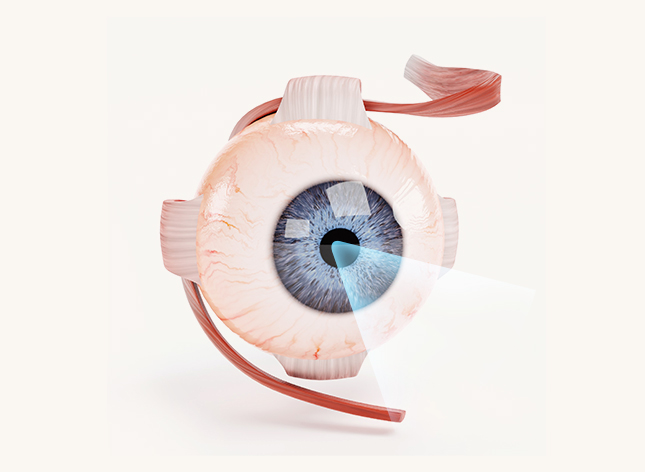
Amblyopia (Lazy Eye) Treatment for Children in Seoul
Board-Certified Pediatric Eye Care — Guro · Yeongdeungpo · Gasan · Gwanak
Quick Answer
Amblyopia (lazy eye) treatment for children in Seoul typically combines corrective glasses, patching therapy, and close monitoring during the critical vision-development window before age 7 to 9. At Nunehim Eye Center in Guro-gu, we combine comprehensive pediatric exams with individualized patching and optical correction plans for families across Yeongdeungpo, Guro, Gasan, and Gwanak.
Q. What is amblyopia?
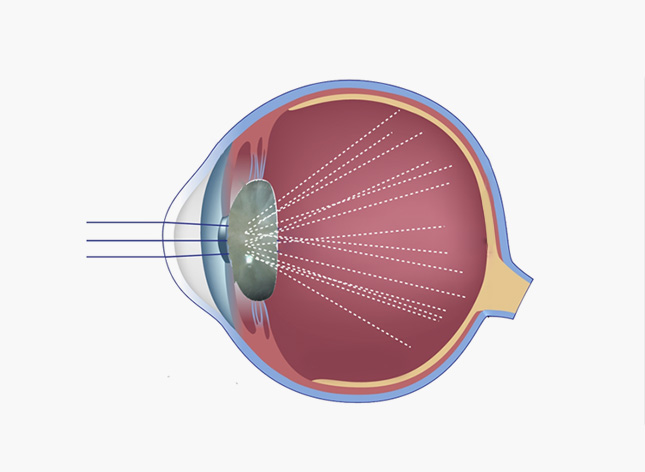
Amblyopia, commonly called lazy eye, is a condition where one eye develops weaker vision because the brain favors the other eye during early childhood. It is the leading cause of preventable vision loss in children worldwide, and amblyopia treatment for children in Seoul focuses on catching it early, while the visual system is still adaptable. Left untreated, the connection between the weaker eye and the brain can be permanently reduced.
Q. What are the symptoms and signs?
- Squinting or closing one eye in bright light
- Head tilting or turning to favor one eye
- Poor depth perception, clumsiness, or difficulty catching a ball
- One eye appears to wander inward or outward
- Failing a school or kindergarten vision screening
Amblyopia in Korean Children — Key Statistics
- ▸ Amblyopia affects an estimated 2 to 4% of children in Korea
- ▸ Screening before age 5 raises treatment success above 80%
- ▸ Uncorrected refractive error is the leading cause among Korean children
- ▸ Diagnosis after age 7 to 9 significantly lowers treatment success
Q. What are the treatment options?
Amblyopia treatment for children in Seoul usually starts with correcting any underlying refractive error using glasses, since blurry input to one eye is the most common trigger. Once optical correction is in place, patching therapy, which covers the stronger eye for a set number of hours daily, forces the brain to strengthen the pathway to the weaker eye.
For children who resist patching, atropine eye drops that blur the stronger eye offer a well-studied alternative with comparable success rates. Vision therapy exercises may supplement treatment for older children with more complex cases.
Q. How long does treatment take?
Treatment duration ranges from a few months to over a year, depending on the age at diagnosis and the severity of vision loss. Consistent follow-up visits every 6 to 12 weeks let our Guro-gu clinic track improvement and adjust patching hours or prescription strength as vision responds.
Families from Yeongdeungpo, Gasan, and Gwanak often appreciate that early gains can be seen within the first 6 to 8 weeks of consistent compliance, which helps motivate both parents and children through the remainder of therapy.

Q. When should I see a doctor in Seoul?
- Your child fails a kindergarten or school vision screening
- You notice one eye turning inward, outward, or drifting
- Your child squints, tilts their head, or covers one eye to see better
- There is a family history of amblyopia, strabismus, or high refractive error
- No comprehensive eye exam has been done by age 3 to 4
Refractive
Caused by uncorrected nearsightedness, farsightedness, or astigmatism, usually differing between the two eyes.
Strabismic
Occurs when misaligned eyes cause the brain to suppress input from one eye to avoid double vision.
Deprivation
The rarest and most severe type, caused by a cataract or other obstruction blocking clear vision in one eye.
From Dr. Daniel Baik
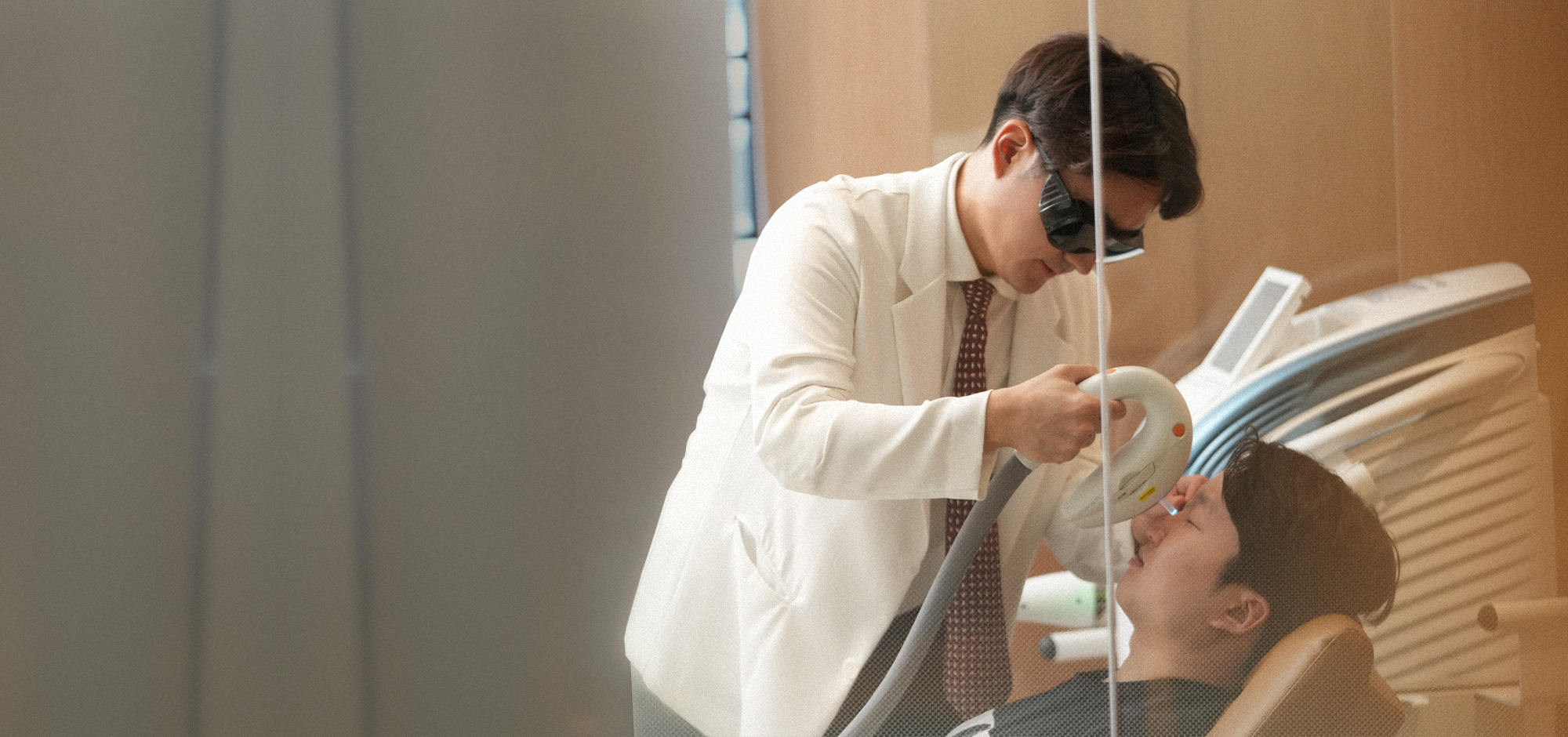
As a board-certified ophthalmologist, I see amblyopia most successfully treated when parents in Guro and Yeongdeungpo bring children in for a first exam by age 3 or 4, well before school screening. The earlier we start patching or glasses correction, the better the long-term outcome for that child’s vision.
❓ Frequently Asked Questions
Q. At what age should my child be screened for amblyopia?
Most pediatric ophthalmologists recommend a first comprehensive eye exam between ages 3 and 4, since amblyopia treatment is most effective when started before age 7. Children in Guro and Yeongdeungpo can have vision screened during routine kindergarten checkups, but any concern about a wandering eye or poor focus warrants an earlier exam.
Q. Is amblyopia the same as strabismus (crossed eyes)?
No. Strabismus is a misalignment of the eyes, while amblyopia is reduced vision in one eye because the brain favors the stronger eye. Strabismus is one of several causes of amblyopia, alongside uncorrected refractive errors and, less commonly, cataracts or other visual obstructions.
Q. How does eye patching therapy work?
Patching covers the stronger eye for a prescribed number of hours daily, forcing the brain to rely on and strengthen the visual pathway of the weaker eye. Treatment duration ranges from a few months to over a year depending on severity and age at diagnosis.
Q. Are atropine eye drops a substitute for patching?
Atropine drops blur vision in the stronger eye instead of covering it, and can be a good alternative for children who resist wearing a patch. Both approaches show similar success rates in clinical studies when compliance is maintained.
Q. Can amblyopia be treated in older children or adults?
Treatment success declines sharply after age 7 to 9 because the visual pathways become less adaptable, though some improvement is still possible in select cases with intensive therapy. This is why early screening in Seoul families is so strongly emphasized.
Q. Will my child need glasses even after amblyopia improves?
Yes, in most cases. Since uncorrected refractive error is the leading cause of amblyopia in Korean children, ongoing glasses wear is usually needed to maintain clear vision and prevent regression even after the lazy eye improves.
Q. What happens if amblyopia goes untreated?
Untreated amblyopia can result in permanent reduced vision in the affected eye and loss of depth perception, which can affect school performance, sports, and future driving or career options requiring good vision in both eyes.

Book a Consultation
Schedule a pediatric eye exam for your child at Nunehim Eye Center, Guro-gu, Seoul.
nunehim.com
📍 Visit Nunehim Eye Center — Guro, Seoul
Convenient access from Guro, Gasan, Gwanak & Dongjak. Near Guro Digital Complex Station (Line 2).
Address: 551 Siheung-daero, Guro-gu, Seoul
nunehim.com
Hours: Mon–Fri 09:00–18:30 (lunch 13–14)
Sat 09:00–14:00
Languages: Korean & English


Leave a comment