Ptosis (Droopy Eyelid): Causes & Treatment Options in Seoul
Board-Certified Eyelid Care — Guro · Yeongdeungpo · Gasan · Gwanak
Quick Answer
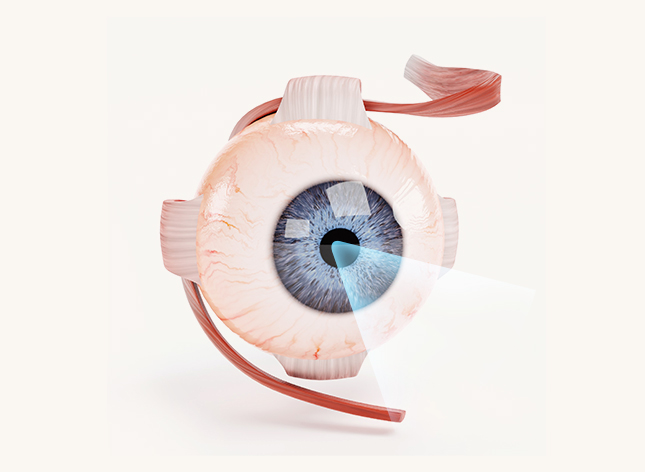
Ptosis, or droopy eyelid, is the abnormal drooping of the upper eyelid due to weakness or stretching of the levator muscle, and treatment ranges from observation to surgical correction depending on severity. At Nunehim Eye Center in Guro-gu, we evaluate ptosis for both cosmetic and visual-field impact for patients across Yeongdeungpo, Guro, Gasan, and Gwanak.
Q. What causes ptosis (droopy eyelid)?
Ptosis is most often caused by age-related stretching or weakening of the levator muscle and its tendon, but it can also result from congenital muscle weakness, nerve damage, prior eye surgery, or long-term contact lens wear. In some cases it signals an underlying neurological or muscular condition that warrants further evaluation, which is why a proper eyelid exam matters.
Q. What are the symptoms and signs?
- Upper eyelid sitting lower than normal, sometimes covering part of the pupil
- Tilting the head back or raising eyebrows to see clearly
- Eye strain, brow ache, or fatigue by end of day
- Asymmetry between the two eyelids
- Reduced upper visual field noticed during daily activities
Ptosis in Korea — Key Statistics
- ▸ Age-related (involutional) ptosis is the most common form seen in Korean adults over 60
- ▸ Long-term hard contact lens or OK lens wear is a recognized risk factor in Korea
- ▸ Moderate to severe ptosis can reduce the upper visual field by 20% or more
- ▸ Functional ptosis correction may be partially covered by national health insurance
Q. What treatment options are available?
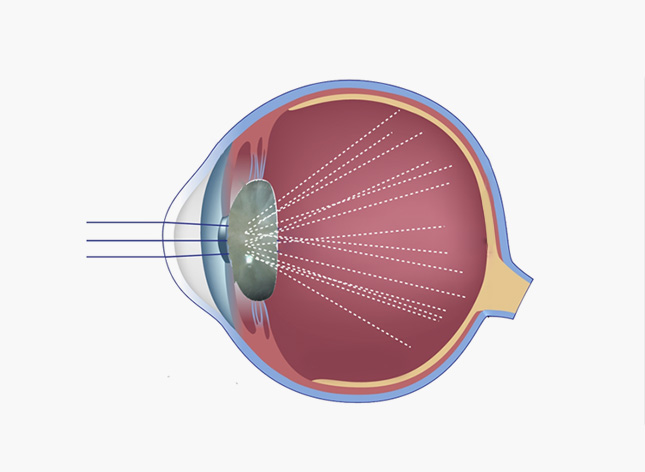
Treatment ranges from observation for mild, stable cases to surgical correction, such as levator resection or frontalis sling surgery, for eyelids that significantly obstruct vision. The right approach depends on severity, underlying cause, and whether one or both eyes are affected.
For patients in Yeongdeungpo and Guro who wear OK lenses or hard contacts long-term, we also assess whether lens-related mechanical stress is contributing and adjust lens care or fitting alongside any surgical plan.
Q. How is ptosis diagnosed?
Diagnosis involves measuring eyelid height and levator muscle function, assessing visual field impact, and sometimes ordering blood tests or imaging if a neurological cause such as myasthenia gravis or a nerve palsy is suspected.
Patients from Gasan and Gwanak often come in after noticing gradual eyelid changes in photos over several years, which is a common way age-related ptosis is first recognized.
Q. When should I see a doctor in Seoul?
- Your eyelid visibly covers part of the pupil or blocks upper vision
- You constantly tilt your head back or raise your eyebrows to see
- Sudden onset of drooping, especially with double vision or other symptoms
- Eyelid asymmetry that has developed or worsened recently
- Eye strain or headaches you suspect are related to compensating for the eyelid
Congenital
Present from birth due to underdeveloped levator muscle; may require early evaluation to prevent amblyopia.
Involutional (Age-Related)
The most common adult form, from gradual stretching of the levator tendon over time.
Neurogenic / Myogenic
Linked to nerve or muscle disorders such as third-nerve palsy or myasthenia gravis, requiring broader workup.
From Dr. Daniel Baik
As a board-certified ophthalmologist, I evaluate every ptosis patient in Guro and Yeongdeungpo for both the cosmetic concern and the functional impact on the visual field, since the two do not always match. Getting that distinction right is what determines whether observation, surgery, or further neurological workup is the right next step.
❓ Frequently Asked Questions
Q. What causes ptosis (droopy eyelid)?
Ptosis is most often caused by age-related stretching or weakening of the levator muscle and its tendon, but it can also result from congenital muscle weakness, nerve damage, prior eye surgery, or long-term contact lens wear. In some cases it signals an underlying neurological or muscular condition that warrants further evaluation.
Q. Is ptosis just a cosmetic issue?
Not always. Mild ptosis may only affect appearance, but moderate to severe drooping can block the upper visual field, force patients to tilt their head back or raise their eyebrows to see, and cause eye strain or headaches from compensating muscle use.
Q. How is ptosis diagnosed?
Diagnosis involves measuring eyelid height and levator muscle function, assessing visual field impact, and sometimes ordering blood tests or imaging if a neurological cause such as myasthenia gravis or a nerve palsy is suspected.
Q. What treatment options are available?
Treatment ranges from observation for mild, stable cases to surgical correction, such as levator resection or frontalis sling surgery, for eyelids that significantly obstruct vision. The right approach depends on severity, underlying cause, and whether one or both eyes are affected.
Q. Is ptosis surgery covered by national health insurance in Korea?
When ptosis measurably narrows the visual field and impairs daily function, national health insurance in Korea may cover part of the surgical correction; purely cosmetic correction without functional impairment is typically self-pay. Each case is evaluated individually during consultation.
Q. How long is recovery after ptosis surgery?
Most patients experience initial swelling and bruising for one to two weeks, with the final eyelid position and symmetry settling over one to three months. Stitches, when used, are typically removed within the first week.
Q. Can ptosis come back after surgery?
Recurrence is possible, particularly in age-related or recurrent muscle-weakening cases, which is why follow-up visits are scheduled to monitor eyelid position and muscle strength over time.

Book a Consultation
Schedule a ptosis evaluation at Nunehim Eye Center, Guro-gu, Seoul.
nunehim.com
📍 Visit Nunehim Eye Center — Guro, Seoul
Convenient access from Guro, Gasan, Gwanak & Dongjak. Near Guro Digital Complex Station (Line 2).
Address: 551 Siheung-daero, Guro-gu, Seoul
nunehim.com
Hours: Mon–Fri 09:00–18:30 (lunch 13–14)
Sat 09:00–14:00
Languages: Korean & English


Leave a comment