Strabismus (Crossed Eyes) in Children: Diagnosis & Treatment in Seoul
Pediatric Eye Care in Yeongdeungpo, Guro & Gasan, Seoul
Q. What is strabismus in children?
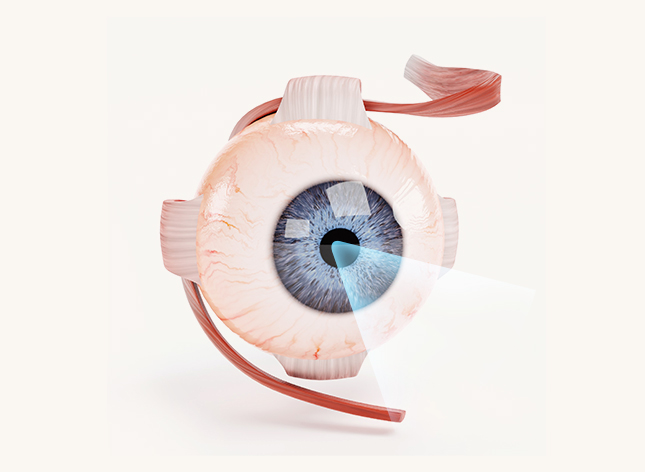
Strabismus, commonly called crossed eyes, is a condition in which a child’s eyes do not point in the same direction at the same time. Pediatric ophthalmologists evaluating strabismus children Seoul cases recommend a full eye exam as soon as misalignment is noticed, since early treatment between ages 2 and 6 offers the best chance of restoring normal binocular vision.
Q. What causes strabismus in children?
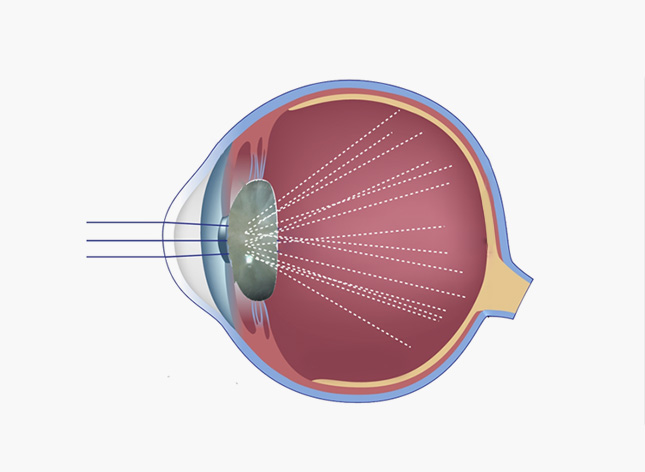
Strabismus can be caused by problems with the eye muscles, the nerves that control them, or the brain’s ability to coordinate the two eyes. Family history, high refractive errors (especially significant farsightedness), premature birth, and conditions such as cerebral palsy or Down syndrome all raise a child’s risk. In Seoul, pediatric eye clinics regularly see cases across Yeongdeungpo, Guro, and Gasan where early screening at ages 3–4 catches misalignment before it affects depth perception.
Strabismus in Korean Children: Key Statistics
- ▸ Approximately 2–4% of children in Korea are affected by strabismus or amblyopia
- ▸ Congenital esotropia typically appears before 6 months of age
- ▸ Intermittent exotropia accounts for over 60% of childhood strabismus cases seen in Korean clinics
- ▸ Treatment started before age 6 achieves normal binocular vision in more than 80% of cases
Q. How is strabismus treated?
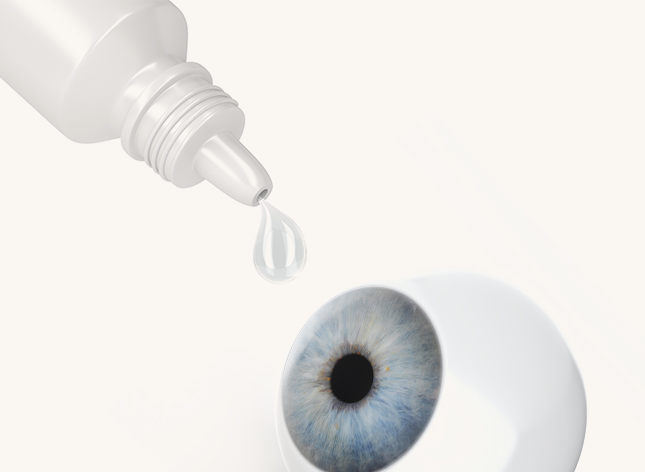
Treatment depends on the type and severity of misalignment. Options include corrective glasses to reduce the refractive cause, patching or atropine drops to treat associated amblyopia, prism lenses to merge double images, targeted vision therapy, and eye-muscle surgery for larger or persistent deviations.
Families across Guro, Yeongdeungpo, and Gasan often start with a non-surgical approach, moving to surgery only if glasses and patching are not enough to achieve stable alignment.
Q. What happens during strabismus surgery?
Strabismus surgery adjusts the tension or position of one or more eye muscles to realign the eyes. It is typically performed as day surgery under general anesthesia for children, with most patients resuming normal activities within a week and full recovery within two to four weeks.
Q. When should I see a doctor in Seoul?
- One eye visibly drifts inward, outward, up, or down
- Child tilts or turns their head to see clearly
- Squinting or closing one eye in bright sunlight
- Complaints of double vision or eye strain
- Poor depth perception or frequent stumbling
- Family history of strabismus or amblyopia
Types
Esotropia (inward), Exotropia (outward), Hyper/Hypotropia (vertical)
Diagnostic Steps
Cover test, refraction exam, ocular motility & dilated fundus exam
Treatment Timeline
0–2 yrs: observation · 2–6 yrs: critical treatment window · 6+ yrs: surgery or therapy if needed
From Dr. Daniel Baik
“As a board-certified ophthalmologist, I tell parents in Yeongdeungpo and Guro the same thing: the earlier we catch strabismus, the simpler the treatment. A child’s visual system is still developing, and acting within that window makes all the difference.”
❓ Frequently Asked Questions
Q. Can strabismus in children resolve on its own?
In most cases, no. While some pseudostrabismus (an appearance of misalignment caused by a child’s wide nasal bridge) resolves as facial features develop, true strabismus rarely improves without treatment and often worsens without patching, glasses, or surgery. A pediatric eye exam in Seoul can distinguish true strabismus from pseudostrabismus.
Q. What is the difference between strabismus and lazy eye (amblyopia)?
Strabismus refers to eye misalignment, while amblyopia (lazy eye) is reduced vision in one eye because the brain favors the stronger eye. Strabismus is a common cause of amblyopia in children, so timely treatment of misalignment helps prevent permanent vision loss.
Q. Is strabismus surgery safe for children?
Yes. Strabismus surgery is a well-established outpatient procedure that adjusts the eye muscles to improve alignment. Most children recover within one to two weeks, and Dr. Daniel Baik discusses the risks, benefits, and expected outcomes with parents before recommending surgery.
Q. How is strabismus diagnosed at Nunehim Eye Center?
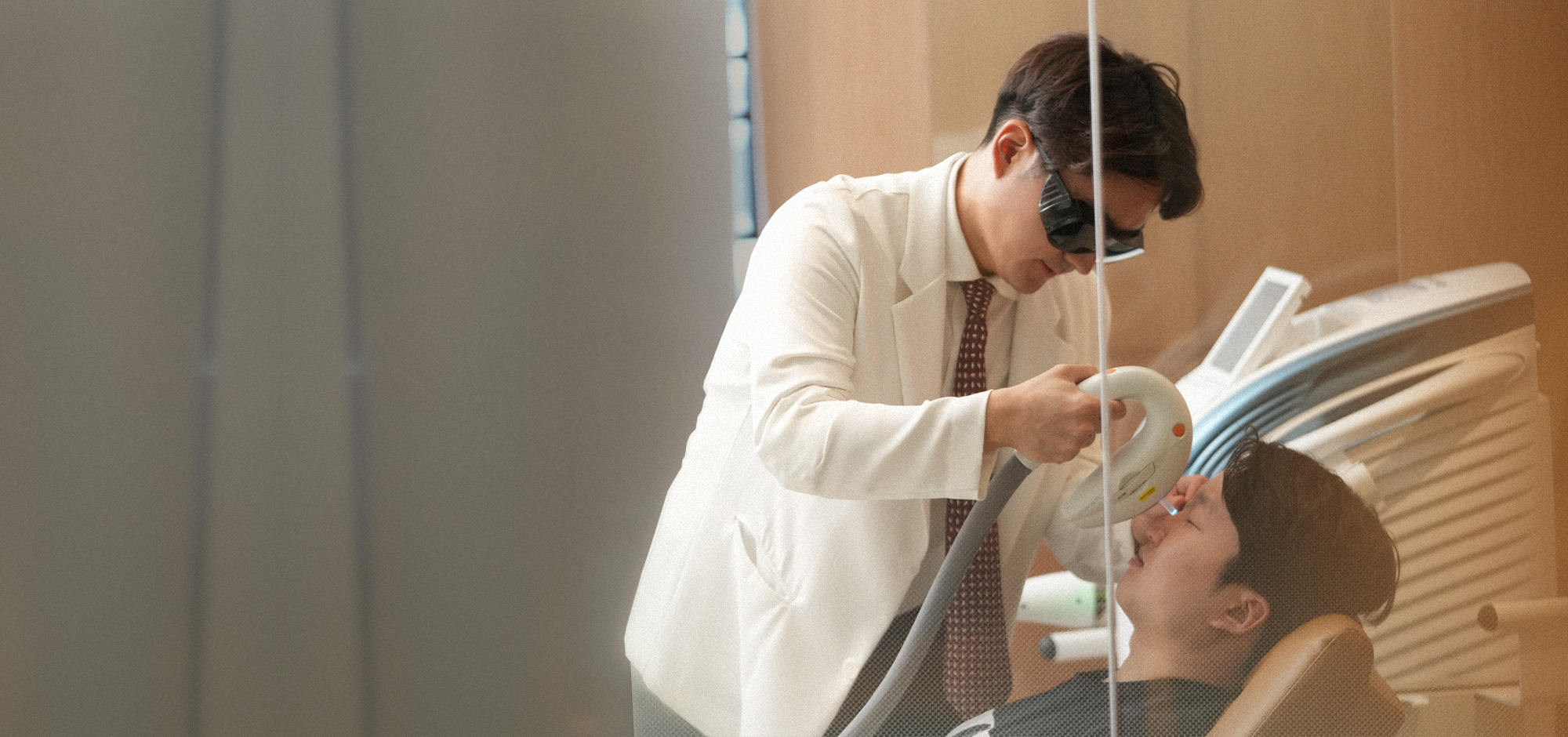
Diagnosis includes a cover test, ocular motility assessment, refraction test, and a dilated fundus exam to rule out underlying causes. Families from Yeongdeungpo, Guro, and Gasan can complete a full pediatric strabismus workup in a single visit.
Q. Does insurance cover strabismus treatment in Korea?
Diagnostic exams and many non-cosmetic strabismus surgeries are covered under Korea’s National Health Insurance. Our staff can help explain coverage details for both Korean residents and English-speaking expat families.
Q. Can adults develop strabismus too?
Yes, strabismus can develop in adulthood due to nerve palsies, thyroid eye disease, trauma, or decompensation of a childhood misalignment. Adults experiencing new double vision or eye drift in Seoul should be evaluated promptly.
Q. How can parents in Yeongdeungpo, Guro, or Gasan book an appointment?
Parents can book a consultation directly through Nunehim Eye Center’s Naver Booking page, with both Korean and English consultations available near Guro Digital Complex Station.

Book a Consultation
Pediatric strabismus evaluations available for families in Yeongdeungpo, Guro, Gasan & Gwanak.
📍 Visit Nunehim Eye Center — Guro, Seoul
Convenient access from Guro, Gasan, Gwanak & Dongjak. Near Guro Digital Complex Station (Line 2).
Address
551 Siheung-daero, Guro-gu, Seoul
nunehim.com
Hours
Mon–Fri 09:00–18:30 (lunch 13–14)
Sat 09:00–14:00
Languages
Korean & English


Leave a comment