Contact Lens Care: The Complete Guide for Daily Wear in Seoul
Practical, doctor-reviewed guidance for safe contact lens wear in Yeongdeungpo, Guro, Gasan & Gwanak
Q. What is the right way to care for contact lenses in Seoul?
Proper contact lens care in Seoul means washing your hands before every handling, using fresh solution nightly, replacing lenses exactly on schedule, and never sleeping in lenses not approved for overnight wear. Following these basics is the single biggest factor in preventing the corneal infections that bring many contact lens wearers into ophthalmology clinics across Guro and Yeongdeungpo.
Q. Why does contact lens hygiene matter so much in Korea?
Korea has one of the highest rates of myopia in the world, with near-100% of young adults in some surveys requiring vision correction, and a large share choose contact lenses for daily convenience. Combined with long office hours, heavy screen use, and Seoul’s seasonal dry air and pollution, this makes contact lens hygiene an especially important issue for residents of Yeongdeungpo, Guro, and Gasan.
Q. What are the signs of a contact lens problem?
- Persistent redness or a feeling that something is stuck in the eye
- Eye pain, unusual sensitivity to light, or blurred vision
- Excessive tearing or unusual discharge
- Vision that doesn’t clear even after removing the lens
Contact Lens Facts in Korea
- ▸ A large majority of Korean adults in their 20s wear glasses or contact lenses for myopia
- ▸ Contact lens-related keratitis remains one of the leading causes of corneal infection seen in Seoul clinics
- ▸ Office workers in the Guro and Gasan Digital Complexes report high rates of digital-related dry eye while wearing lenses
- ▸ Wearing lenses beyond the recommended replacement schedule substantially raises infection risk, per Korean Ophthalmological Society guidance
Q. What contact lens options are available at Nunehim Eye Center?
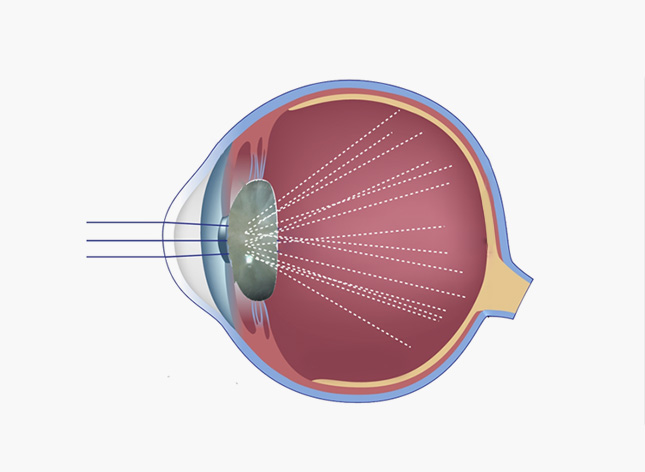
We fit daily disposables, biweekly and monthly lenses, and OK lens (orthokeratology) for patients across Yeongdeungpo, Guro, and Gasan. Each option is matched to your prescription, corneal shape, and lifestyle, whether you need lenses for daily convenience or a lens-free alternative for sports and swimming.
Every fitting includes a corneal curvature check and tear film assessment so your lenses fit comfortably and safely from day one.
Q. How should I clean and store my lenses properly?
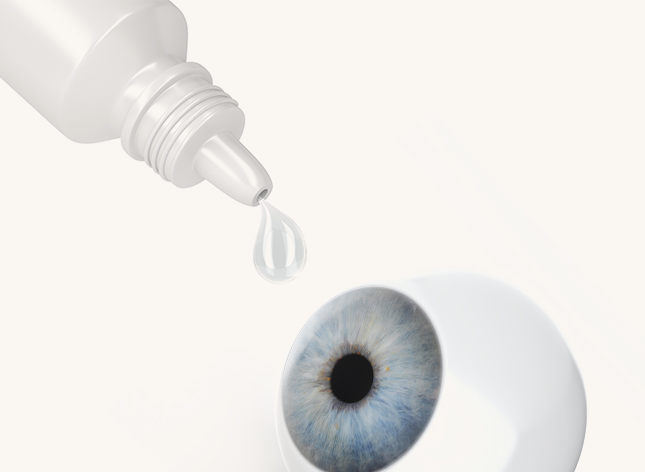
Always wash and dry your hands before touching your lenses. Use the rub-and-rinse method with fresh solution even if your solution is labeled “no-rub,” since gentle rubbing removes far more debris and bacteria than rinsing alone.
Never top off old solution in the case — empty and refill it completely each time, and let the case air-dry upside down between uses.
Q. What should I never do with contact lenses?
- Never sleep in lenses that are not approved for overnight wear
- Never swim, shower, or use a hot tub while wearing lenses
- Never rinse lenses with saliva or tap water
- Never reuse daily disposable lenses beyond a single day
- Never ignore redness, pain, or discharge — remove lenses and seek care
Daily Disposables
A fresh lens every day — simple, hygienic, and popular among students and busy professionals in Yeongdeungpo.
Monthly / Biweekly
Cost-effective for regular wearers who commit to a strict cleaning and replacement routine.
OK Lens (Ortho-K)
Worn overnight to reshape the cornea, giving clear vision during the day without daytime lenses or glasses.
A Note from Dr. Daniel Baik
“In our Guro clinic, the vast majority of lens-related infections I treat trace back to a broken hygiene habit — sleeping in lenses, topping off old solution, or skipping the yearly exam. As a board-certified ophthalmologist, my advice to patients across Yeongdeungpo and Gasan is simple: treat your lens case with the same care as your lenses themselves.”
❓ Frequently Asked Questions
Q. How long can I wear contact lenses in a day?
Most eye care professionals recommend limiting contact lens wear to 8-10 hours per day. Wearing lenses longer, especially during long work shifts common in Yeongdeungpo and Guro office districts, reduces oxygen flow to the cornea and increases the risk of dryness and infection.
Q. Can I sleep in my contact lenses?
Only lenses specifically approved for extended or overnight wear should ever be slept in, and even then only under a doctor’s guidance. Sleeping in standard daily or monthly lenses significantly raises the risk of corneal ulcers and is one of the most common causes of lens-related emergency visits we see in Guro.
Q. How often should I replace my contact lens case?
Replace your lens case every one to three months, even if it looks clean. Bacterial biofilm can build up invisibly on the case surface, and an old case is a frequent hidden cause of recurring eye irritation among patients in Gasan and Gwanak.
Q. Is tap water safe for rinsing lenses?
No. Tap water, even in Seoul where water quality is generally good, can carry Acanthamoeba and other microorganisms that cause severe, difficult-to-treat corneal infections. Always use sterile multipurpose or saline solution made specifically for contact lenses.
Q. What is orthokeratology (OK lens) and is it right for me?
OK lens is a specially designed rigid lens worn overnight that gently reshapes the cornea, allowing clear vision during the day without glasses or daytime contacts. It is a popular option for students and professionals across Yeongdeungpo and Guro who want lens-free days, and our clinic performs a full corneal assessment to determine candidacy.
Q. How often should contact lens wearers get an eye exam?
Contact lens wearers should have a comprehensive eye exam at least once a year, or sooner if you notice redness, discomfort, or vision changes. Regular checkups let us catch early signs of dryness, warpage, or infection before they become serious.
Q. Where can I get a contact lens fitting in Yeongdeungpo or Guro?
Nunehim Eye Center in Guro-gu offers professional contact lens fittings, including daily, monthly, and OK lens options, for patients throughout Yeongdeungpo, Guro, Gasan, and Gwanak. Dr. Daniel Baik and the clinical team provide consultations in both Korean and English.

Book a Consultation
Schedule a contact lens fitting or eye exam with Dr. Daniel Baik at Nunehim Eye Center, serving Yeongdeungpo, Guro, Gasan & Gwanak.
📍 Visit Nunehim Eye Center — Guro, Seoul
Convenient access from Guro, Gasan, Gwanak & Dongjak. Near Guro Digital Complex Station (Line 2).
Address
551 Siheung-daero, Guro-gu, Seoul
nunehim.com
Hours
Mon–Fri 09:00–18:30 (lunch 13:00–14:00)
Sat 09:00–14:00
Languages
Korean & English


Leave a comment