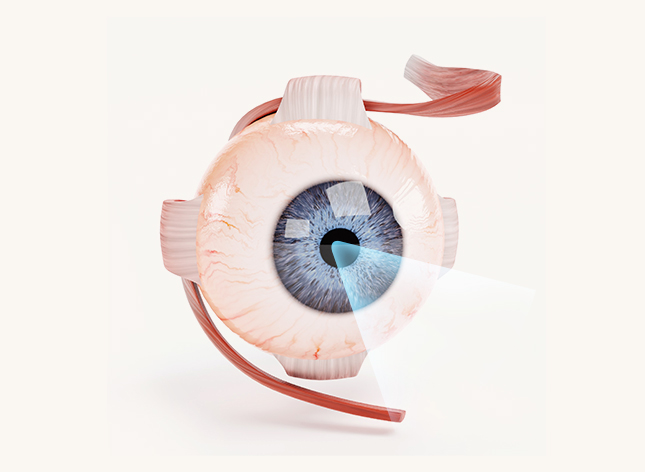
Eye Nutrition: Which Vitamins & Foods Are Best for Eye Health?
A board-certified ophthalmologist’s guide for Guro, Yeongdeungpo & Gasan residents
Q. Which vitamins are best for eye health?
The most important nutrients for eye nutrition are lutein, zeaxanthin, omega-3 fatty acids, vitamin A, vitamin C, vitamin E, and zinc. These compounds protect the retina, reduce oxidative stress, and lower the risk of age-related macular degeneration and dry eye disease. A balanced diet rich in leafy greens, fatty fish, and colorful vegetables provides most of what your eyes need.
Q. Why does eye nutrition matter for people living in Seoul?
Many patients we see in Yeongdeungpo, Guro, and Gasan spend seven or more hours a day looking at screens for work, which increases oxidative stress on the eyes and contributes to digital eye strain. Combined with Seoul’s dense urban environment and high rates of near work, this makes eye nutrition especially relevant for office workers and students in the area. What you eat can meaningfully support your eyes’ resilience against this daily strain.
Q. What foods should I eat for better eye health?
Fatty fish such as salmon, mackerel, and sardines supply omega-3 fatty acids that support tear film stability and retinal function. Leafy greens like spinach and kale are rich in lutein and zeaxanthin, which concentrate in the macula and filter harmful blue light. Colorful vegetables and citrus fruits provide vitamin C and other antioxidants, while nuts and seeds offer vitamin E and zinc.
Eye Health & Nutrition in Korea: Key Data Points
- ▸ Korean adults report some of the highest average daily screen times in the world, often exceeding 7 hours
- ▸ Myopia prevalence among young Korean adults is among the highest globally, frequently cited above 80%
- ▸ Age-related macular degeneration affects a meaningful share of Koreans over 60 according to national health survey data
- ▸ Nutrition surveys suggest many Korean adults consume less omega-3 rich fish than recommended for optimal eye health
Q. What supplements are worth considering?
For patients with intermediate age-related macular degeneration, the AREDS2 formula combining lutein, zeaxanthin, vitamin C, vitamin E, and zinc has clinical evidence for slowing progression. For most healthy adults, a fish oil or algae-based omega-3 supplement can help if dietary fish intake is low.
Supplements should complement, not replace, a nutrient-dense diet. We recommend a personalized review with your ophthalmologist before starting any new regimen, especially if you take other medications.
Q. How does diet affect conditions like dry eye and cataracts?
Omega-3 fatty acids help support the oily layer of the tear film, and several studies link higher omega-3 intake with reduced dry eye symptoms. Antioxidant-rich diets, high in vitamin C and E, are also associated with a lower risk of cataract formation over time.
While diet is not a substitute for medical treatment of dry eye or cataracts, it is a meaningful part of long-term eye care, particularly for patients in Gwanak and Gasan who spend long hours in air-conditioned offices.
Q. When should I see a doctor in Seoul about my eye health?
- Sudden changes in vision, including blurring, distortion, or dark spots
- Persistent or worsening floaters or flashes of light
- Eye pain, redness, or unusual discharge that does not resolve
- A family history of macular degeneration or glaucoma
- Increasing difficulty seeing at night or in low light
- You are over 40 and have not had a comprehensive eye exam in the past year
Lutein & Zeaxanthin
Found in kale, spinach, and corn. Concentrates in the macula and filters blue light.
Omega-3 Fatty Acids
Found in salmon, mackerel, and walnuts. Supports tear film and reduces dry eye risk.
Vitamin C, E & Zinc
Found in citrus, nuts, and seeds. Provides antioxidant protection against cataracts.
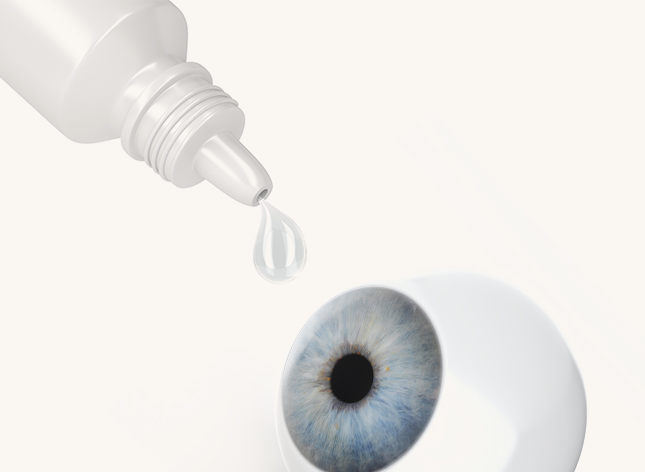
“As a board-certified ophthalmologist practicing in Guro-gu, I regularly see patients whose eye health could improve with simple dietary changes. I encourage my patients in Yeongdeungpo, Gasan, and Gwanak to think of nutrition as a daily investment in their vision, alongside regular screening.”
— Dr. Daniel Baik, Board-Certified Ophthalmologist, Nunehim Eye Center
❓ Frequently Asked Questions
Q. What is the best vitamin for eye health?
Lutein and zeaxanthin are the most researched carotenoids for protecting the retina, alongside omega-3 fatty acids. For patients with intermediate age-related macular degeneration, the AREDS2 formula (vitamin C, vitamin E, zinc, copper, lutein, and zeaxanthin) has been shown in clinical trials to slow disease progression. Always discuss supplement choices with your ophthalmologist first.
Q. Can diet alone prevent macular degeneration?
A nutrient-rich diet lowers your risk but cannot guarantee prevention, since genetics, age, smoking, and UV exposure also play major roles. Combining good eye nutrition with regular dilated eye exams gives you the best chance of catching changes early. At Nunehim Eye Center we recommend annual screening after age 40, or earlier with a family history of AMD.
Q. How much omega-3 should I eat for eye health?
Most guidelines suggest eating fatty fish such as salmon, mackerel, or sardines at least twice a week to support tear film quality and retinal health. If your diet is low in fish, a fish oil or algae-based omega-3 supplement can help close the gap. Patients with dry eye disease in particular tend to notice improved comfort with consistent omega-3 intake.
Q. Do eye vitamin supplements actually work?
Evidence is strongest for the AREDS2 formula in people who already have intermediate AMD, where it meaningfully slows progression to advanced disease. For the general population without existing eye disease, a balanced diet remains the priority, and supplements should fill specific gaps rather than replace whole foods. We’re happy to review your history and advise whether supplementation makes sense for you.
Q. Can nutrition help with digital eye strain?
Good nutrition supports healthy tear production, which can ease some symptoms of digital eye strain, but it does not replace behavioral habits like the 20-20-20 rule and conscious blinking during screen use. Many of our patients in Yeongdeungpo and Gasan who work long hours at computers benefit most from combining dietary support with regular screen breaks.
Q. Are Korean diets generally good for eye health?
Traditional Korean diets rich in fish, leafy greens, and vegetables provide many of the nutrients the eyes need, which is a real advantage. However, long daily screen exposure, high rates of myopia, and increasing consumption of processed foods can offset these benefits, so it’s still worth paying attention to specific eye-friendly foods.
Q. Where can I get a personalized eye nutrition assessment in Guro or Gasan?
Nunehim Eye Center in Guro-gu offers comprehensive eye exams and personalized guidance on nutrition and eye health for patients throughout Guro, Yeongdeungpo, Gasan, and Gwanak. You can book a consultation with Dr. Daniel Baik through our Naver booking page, with both Korean and English consultations available.

Book a Consultation
Talk with Dr. Daniel Baik about a personalized eye nutrition and eye health plan.
nunehim.com
📍 Visit Nunehim Eye Center — Guro, Seoul
Convenient access from Guro, Gasan, Gwanak & Dongjak. Near Guro Digital Complex Station (Line 2).
Address
551 Siheung-daero, Guro-gu, Seoul
nunehim.com
Hours
Mon–Fri 09:00–18:30 (lunch 13–14)
Sat 09:00–14:00
Languages
Korean & English


Leave a comment