Pterygium (Surfer’s Eye): Causes, Prevention & Surgery in Seoul
What Guro, Yeongdeungpo & Gasan patients need to know
Q. What is pterygium treatment and when is surgery needed?
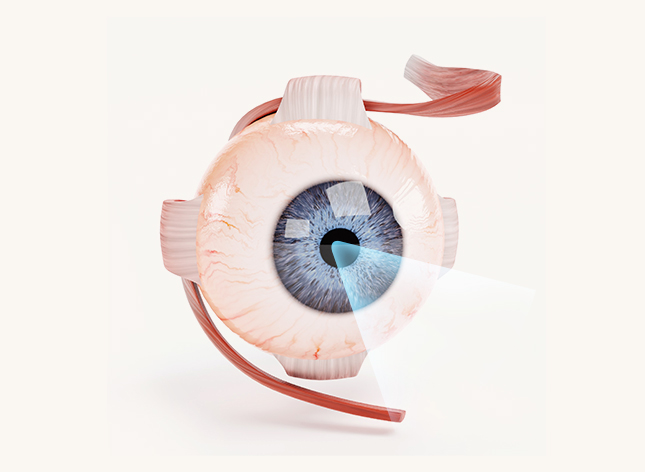
Pterygium is a growth of pinkish, fleshy tissue on the conjunctiva that can extend onto the cornea, often triggered by long-term UV exposure, wind, and dust. Mild cases are managed with lubricating drops and UV protection, while larger or vision-threatening pterygia require surgical removal. At Nunehim Eye Center in Guro-gu, we offer both conservative management and surgical pterygium treatment for patients throughout Seoul.
Q. What causes pterygium, also known as surfer’s eye?
The primary cause of pterygium is cumulative ultraviolet (UV) exposure, which is why it earned the nickname “surfer’s eye” among people who spend long hours outdoors near water or in bright sunlight. Wind, dust, and chronic dryness are also contributing factors, making outdoor workers and frequent commuters in Seoul more susceptible over time.
Q. What are the symptoms of pterygium?
- Redness and a visible pinkish or yellowish growth on the white of the eye
- A persistent foreign-body or gritty sensation
- Irritation, dryness, or mild burning
- Blurred vision or astigmatism if the growth extends onto the cornea
- Cosmetic concern about the appearance of the eye
Pterygium: Key Data Points
- ▸ Pterygium is more common among people with significant outdoor UV exposure, including outdoor and agricultural workers
- ▸ Prevalence tends to rise with age and cumulative years of sun exposure
- ▸ Recurrence rates after surgery vary roughly 5–15% depending on the surgical technique used
- ▸ Consistent use of UV-blocking sunglasses is associated with meaningfully lower long-term pterygium risk
Q. How is pterygium diagnosed and monitored?
Diagnosis is made through a slit-lamp examination, where we assess the size, thickness, and how close the growth is to the visual axis. For smaller, stable pterygia, we often take serial photographs to track growth over time before recommending intervention.
Not every pterygium needs surgery right away — many patients in Yeongdeungpo and Gwanak are simply monitored with periodic checkups and protective measures.
Q. What treatment options are available in Seoul?
For mild cases, lubricating drops and short courses of anti-inflammatory drops control irritation and redness. When the growth threatens vision, causes significant astigmatism, or is persistently symptomatic, surgical excision with a conjunctival autograft is the recommended gold-standard treatment.
This is typically performed as a same-day outpatient procedure at facilities equipped for it, with most patients in Guro and Gasan returning home the same day.
Q. When should I consider pterygium surgery?
- The growth is encroaching on or near the visual axis (center of the cornea)
- You have persistent irritation or redness despite regular use of lubricating drops
- The pterygium is causing measurable astigmatism affecting your vision
- You have ongoing cosmetic concerns about the appearance of your eye
- The growth restricts comfortable eye movement
Stage 1: Early Growth
Small, mild redness, minimal symptoms. Usually managed with drops and monitoring.
Stage 2: Progressive
Growth advancing toward cornea, noticeable irritation. Closer monitoring recommended.
Stage 3: Vision-Threatening
Growth reaching visual axis or causing astigmatism. Surgical excision typically advised.
“I see pterygium often in patients from Yeongdeungpo, Gasan, and Gwanak who spend significant time outdoors without UV protection. Simple habits like wearing UV-blocking sunglasses go a long way, and for patients who do need surgery, the conjunctival autograft technique gives excellent, low-recurrence results.”
— Dr. Daniel Baik, Board-Certified Ophthalmologist, Nunehim Eye Center
❓ Frequently Asked Questions
Q. What is the recovery time after pterygium surgery?
Most patients need about one to two weeks before returning to normal activities, with some redness and mild discomfort in the first few days. We advise avoiding swimming, eye rubbing, and dusty or windy environments during the initial healing period. Follow-up visits at Nunehim Eye Center let us monitor healing and reduce the chance of complications.
Q. Is pterygium surgery painful?
The procedure is performed under local anesthesia, so patients do not feel pain during surgery, and most describe only mild irritation or a foreign-body sensation afterward. Prescribed lubricating and anti-inflammatory drops help keep this discomfort well controlled during recovery.
Q. Can pterygium come back after surgery?
Yes, recurrence is possible, but modern techniques using a conjunctival autograft significantly lower the recurrence rate compared to older bare sclera methods. At Nunehim Eye Center we use autograft technique as our standard approach specifically to minimize this risk for patients in Guro, Yeongdeungpo, and Gasan.
Q. Does insurance cover pterygium surgery in Korea?
When pterygium is affecting vision or causing significant symptoms, surgical treatment is generally covered under Korea’s National Health Insurance. Coverage details can vary by case, so we recommend discussing your specific situation with our clinic during your consultation.
Q. Can I prevent pterygium from developing?
Consistent use of UV-blocking sunglasses, wide-brimmed hats, and artificial tears can meaningfully lower your risk, especially if you spend a lot of time outdoors in Seoul. Limiting exposure to wind and dust, common for those commuting through Gwanak or working outdoors near Gasan, also helps protect the conjunctiva.
Q. Is pterygium the same as a cataract?
No, they are different conditions: pterygium is a growth of tissue on the surface of the eye (conjunctiva and possibly cornea), while a cataract is clouding of the internal lens. Both can affect vision, but they require different evaluations and treatments, which we can clarify during a comprehensive eye exam.
Q. Where can I get pterygium treatment in Guro or Gasan?
Nunehim Eye Center in Guro-gu provides both conservative and surgical pterygium treatment for patients across Guro, Yeongdeungpo, Gasan, and Gwanak. You can book a consultation with Dr. Daniel Baik, a board-certified ophthalmologist, through our Naver booking page in Korean or English.

Book a Consultation
Talk with Dr. Daniel Baik about pterygium evaluation and treatment options.
nunehim.com
📍 Visit Nunehim Eye Center — Guro, Seoul
Convenient access from Guro, Gasan, Gwanak & Dongjak. Near Guro Digital Complex Station (Line 2).
Address
551 Siheung-daero, Guro-gu, Seoul
nunehim.com
Hours
Mon–Fri 09:00–18:30 (lunch 13–14)
Sat 09:00–14:00
Languages
Korean & English


Leave a comment