Night Vision Problems After Age 40: What Is Normal?
Understanding age-related changes in night vision — and when to see an eye doctor in Seoul
Quick Answer
Yes — some decline in night vision after age 40 is normal, caused mainly by smaller pupils and a stiffening, yellowing lens that lets in less light. But sudden or severe glare, halos around lights, or new difficulty driving at night in Seoul traffic can signal cataracts or another treatable condition and should be evaluated by an ophthalmologist.
Q. What causes night vision problems after age 40?
Night vision problems causes after 40 are usually related to normal aging of the eye rather than disease. As we age, the pupil naturally becomes smaller and reacts more slowly to changes in light, which limits how much light reaches the retina in dim conditions. The lens inside the eye also gradually yellows and stiffens, scattering light and reducing contrast sensitivity — this is why oncoming headlights can suddenly feel much brighter and more glaring than they did a decade earlier. For many residents of Yeongdeungpo, Guro, and Gasan who commute by car in the evening, these changes become noticeable in their 40s and more pronounced through their 50s and 60s.
Q. What are the symptoms of age-related night vision decline?
- Difficulty driving comfortably at night, especially on unfamiliar roads
- Glare or starbursts from oncoming headlights and streetlights
- Halos appearing around lights
- Needing more light to read or do close work in the evening
- Slower adjustment when moving from bright to dark spaces
- Trouble judging distance or depth in low light
Night Vision & Aging: Korean Context
- ▸ Seoul has one of the most rapidly aging populations among major world cities, with residents 65+ making up a growing share of Guro-gu and Yeongdeungpo-gu
- ▸ Age-related cataracts are estimated to affect a majority of Koreans by their 60s and 70s
- ▸ Presbyopia affects nearly all adults by their mid-to-late 40s in Korea
- ▸ Dry eye disease, aggravated by Seoul’s dry heating and A/C seasons, is a common contributor to night glare among Gwanak and Gasan office workers
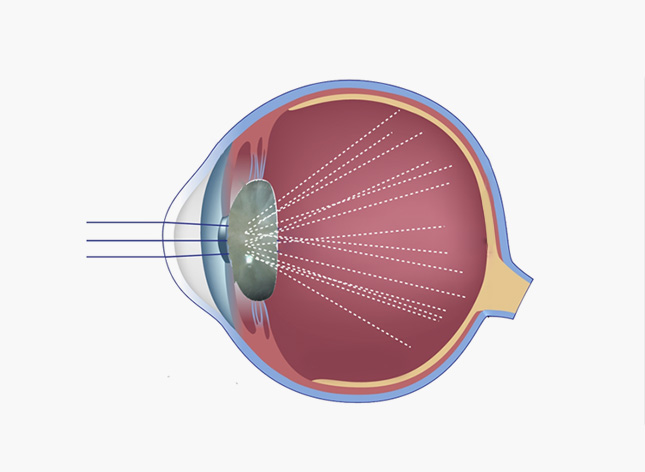
Q. How can night vision be improved or managed?
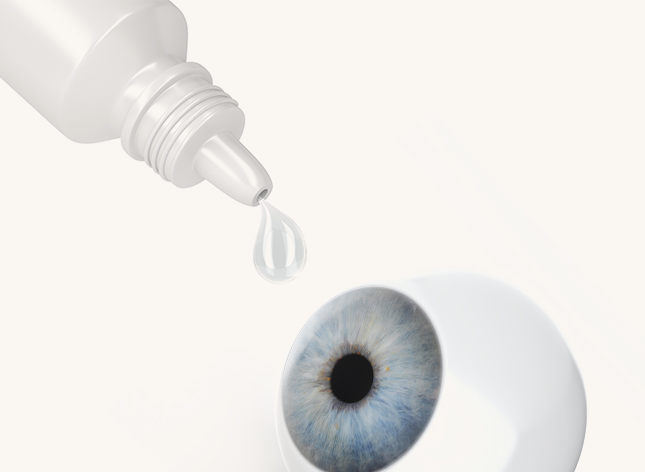
For many patients, an updated glasses prescription with an anti-reflective, anti-glare coating makes an immediate difference for night driving. Treating underlying dry eye, keeping headlights and windshields clean, and reducing screen time before night driving can also help.
When cataracts are the underlying cause, modern lens replacement surgery can substantially reduce glare and halos, often restoring night vision to a level clearer than what patients remember from years earlier.
Q. Could this be an early sign of cataracts or another condition?
Age-related cataracts are the most common cause of progressively worsening night vision after 40, but glaucoma and diabetic retinopathy can also present with night vision changes and reduced peripheral awareness. This is why patients from Yeongdeungpo, Guro, Gasan, and Gwanak who notice new night vision symptoms are advised to schedule a dilated eye exam rather than assume it is simple aging.
Q. When should I see a doctor in Seoul?
- Sudden or rapid change in night vision
- Symptoms affecting only one eye
- Eye pain, redness, or headache along with halos (possible angle-closure glaucoma — seek care urgently)
- Difficulty recognizing faces or reading signs at night
- Night vision loss that is affecting your safety while driving in Seoul traffic
40s
Presbyopia begins; mild pupil constriction starts reducing available light at night.
50s–60s
Lens yellowing progresses; early cataract changes and glare become more noticeable.
70+
Cataracts are common; retinal disease risk (AMD, diabetic retinopathy) increases and should be screened regularly.
“As a board-certified ophthalmologist practicing in Seoul, I regularly see patients in their 40s and 50s who assume worsening night vision is just aging. In many cases, a simple update to their glasses or treatment of early dry eye resolves most of the difficulty. When cataracts are the true cause, modern lens surgery can often restore night vision to a level better than what patients remember from their 30s.”
— Dr. Daniel Baik, Nunehim Eye Center
❓ Frequently Asked Questions
Q. Is trouble driving at night after 40 always a sign of cataracts?
No. Most drivers over 40 notice some glare and reduced contrast simply from normal age-related pupil narrowing and lens changes. However, persistent glare, halos around headlights, or rapidly worsening symptoms should be evaluated to rule out cataracts or corneal irregularities.
Q. Can glasses fix night vision problems?
In many cases, yes. An updated prescription with an anti-reflective coating can significantly reduce glare from oncoming headlights and streetlights, which is one of the most common complaints we see in patients from Yeongdeungpo and Guro who commute at night.
Q. Does dry eye affect night driving?
Yes. Seoul’s dry indoor heating in winter and air conditioning in summer contribute to dry eye, which can cause light scattering, glare, and blurred vision that is especially noticeable at night.
Q. At what age does night vision typically start declining?
Most people notice gradual changes beginning in their 40s, with more significant changes after age 60 as the lens continues to yellow and stiffen.
Q. Is cataract surgery necessary if I only have mild night vision issues?
Not always. Surgery is generally recommended once cataracts meaningfully affect daily activities such as night driving or reading. Early or mild cases can often be monitored with regular exams.
Q. Can vitamins improve night vision after 40?
True vitamin A deficiency causing night blindness is rare in Korea today. A balanced diet is usually sufficient, and any supplement use should be discussed with your eye doctor first.
Q. How are night vision problems diagnosed?
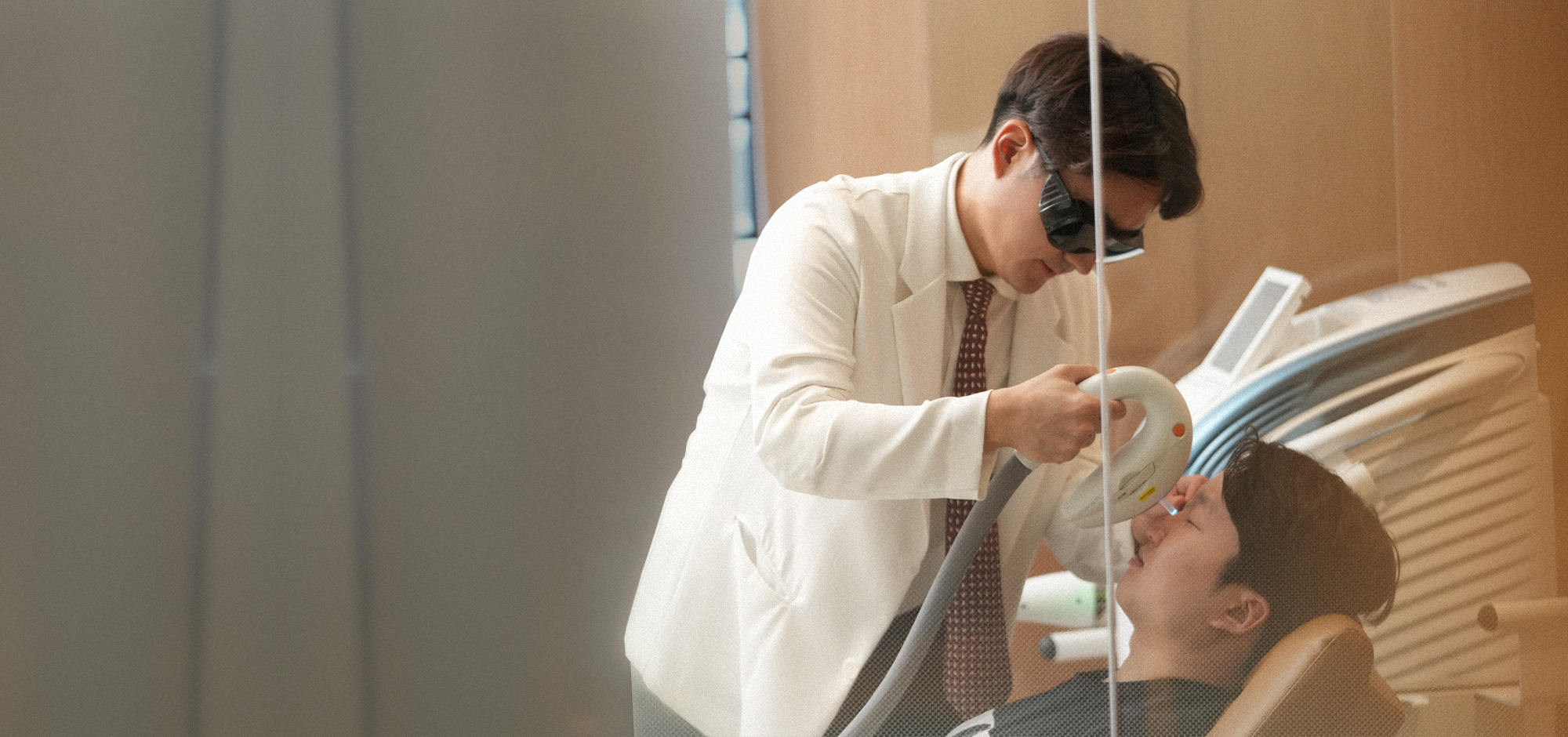
A comprehensive eye exam — including pupil evaluation, slit-lamp examination for cataracts, contrast sensitivity testing, and a dilated retinal exam — helps identify the underlying cause.

Book a Consultation
Dr. Daniel Baik and the team at Nunehim Eye Center welcome patients from Yeongdeungpo, Guro, Gasan, and Gwanak for comprehensive eye exams in Korean and English.
📍 Visit Nunehim Eye Center — Guro, Seoul
Convenient access from Guro, Gasan, Gwanak & Dongjak. Near Guro Digital Complex Station (Line 2).
📅 Book a Consultation on Naver
Address
551 Siheung-daero, Guro-gu, Seoul · nunehim.com
Hours
Mon–Fri 09:00–18:30 (lunch 13:00–14:00), Sat 09:00–14:00
Languages
Korean & English


Leave a comment