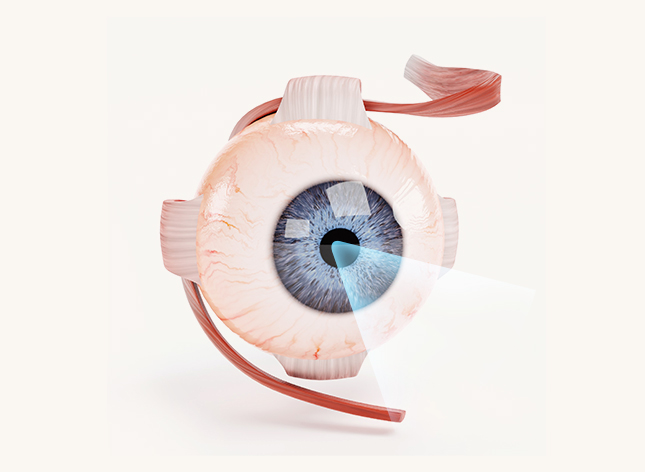
UV Protection for Eyes: Why Sunglasses Matter More Than You Think
Board-Certified Ophthalmology Guidance from Nunehim Eye Center, Guro, Seoul
Q. Why does UV eye protection matter for daily life in Seoul?
UV eye protection matters because ultraviolet rays accumulate damage to the cornea, lens, and retina over decades, raising the risk of cataracts and other conditions well before symptoms appear, and Seoul’s high summer UV index combined with long commutes makes daily sunglasses use essential, not optional. Sunglasses are a medical tool, not just a fashion accessory.
Q. How exactly does UV light damage the eyes?
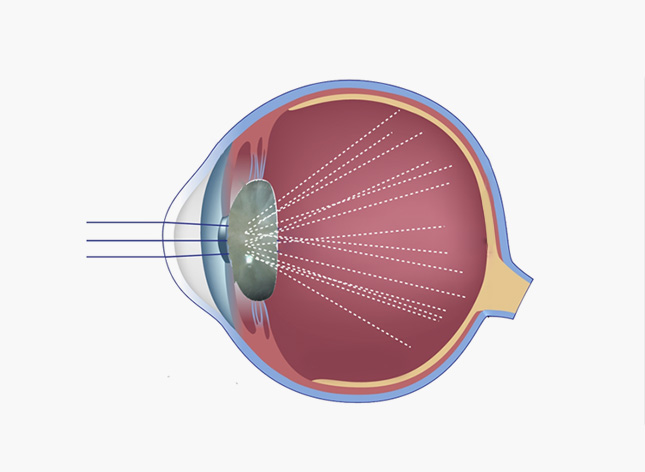
UVA and UVB rays penetrate the eye’s structures differently: UVB is mostly absorbed by the cornea and lens, contributing to photokeratitis and cataract formation, while UVA penetrates deeper toward the retina, where it contributes to oxidative stress linked to macular degeneration. Because these effects build up silently over years, most UV-related eye damage isn’t noticed until middle age or later, when cataracts or macular changes become apparent.
Q. What are the warning signs of UV-related eye damage?
- Gritty, red, or watery eyes after prolonged sun exposure (photokeratitis)
- A yellowish, raised growth on the white of the eye (pterygium), common in outdoor workers
- Gradual clouding or glare sensitivity that develops over years (early cataract)
- Increased sensitivity to bright light or glare while driving
- Sunburn-like sensation or temporary vision blurring after intense sun exposure, such as a day at the beach or skiing
UV Exposure & Eye Health in Korea
- ▸ Seoul reaches “very high” UV index levels on many days between May and August
- ▸ Cataracts remain a leading cause of vision impairment among Korean adults over 60, with cumulative UV exposure as a major contributing factor
- ▸ Fewer than half of Korean adults consistently wear UV-protective sunglasses during daily outdoor activity, per public health surveys
- ▸ Reflective surfaces in dense urban areas like Yeongdeungpo and Gasan can increase effective UV exposure by 10-25%
Q. What kind of sunglasses actually protect my eyes?
Effective protection requires lenses labeled 99-100% UVA/UVB protection or ‘UV400’ — darker tint alone does not equal better protection, and very dark lenses without UV coating can actually be worse, since dilated pupils let in more unfiltered UV light. Wraparound or larger-frame styles reduce peripheral UV exposure, which matters for daily commuters walking through Yeongdeungpo, Guro, and Gasan.
For patients who already wear prescription glasses, UV-blocking coatings or photochromic (light-adaptive) lenses provide continuous protection without needing a separate pair of sunglasses.
Q. Who is most at risk from UV eye exposure?
Outdoor workers, children, post-surgical patients, and anyone with light-colored irises face higher risk. Children’s eyes transmit more UV light to the retina because their lenses are still clear, making sunglasses habits established early especially valuable. Patients recovering from TransPRK or 2-Day LASEK also need strict UV protection during healing, since the eye can be more light-sensitive in the weeks afterward.
⚠️ See an Ophthalmologist If You Notice
- A new growth or discoloration on the white of the eye
- Persistent glare sensitivity or gradually clouding vision
- Eye pain or blurred vision after unusually intense sun exposure
- Any vision change alongside a family history of macular degeneration
Q. When should I get an eye exam related to sun exposure in Seoul?
If you spend significant time outdoors around Yeongdeungpo, Gasan, or Gwanak without consistent UV-protective eyewear, an annual comprehensive eye exam helps catch early cataract or surface changes before they affect your vision. This is especially important for outdoor workers, drivers, and anyone over 50.
Daily Habit
Wear UV400 sunglasses outdoors year-round, even on cloudy or winter days.
High-Risk Times
UV peaks 10am-4pm and in spring/summer — extra caution near water, snow, and pavement.
Long-Term Payoff
Consistent protection reduces lifetime risk of cataracts, pterygium, and macular changes.
“Patients often ask me if sunglasses really make a difference, and the honest answer is yes — UV damage is cumulative and largely invisible until later in life. I encourage every patient in our Guro clinic, especially those who commute or work outdoors, to treat sunglasses as part of daily eye care, not just a summer accessory.” — Dr. Daniel Baik, board-certified ophthalmologist, Nunehim Eye Center
❓ Frequently Asked Questions
Q. Can UV rays damage my eyes even on a cloudy day in Seoul?
Yes. Up to 80% of UV rays pass through clouds, so eye damage can occur even when the sun isn’t directly visible. Seoul’s spring and summer months bring high UV index days, and reflection off pavement, water, and buildings adds to total exposure regardless of cloud cover.
Q. What eye conditions are linked to UV exposure?
Long-term UV exposure is linked to cataracts, pterygium (a growth on the eye’s surface), photokeratitis (sunburn of the cornea), and increased risk of certain eye cancers. UV exposure also accelerates skin aging and macular changes around the eyes over time.
Q. Do I need sunglasses even if I wear prescription glasses?
Regular prescription lenses without UV coating do not fully block harmful rays, so we recommend either UV-blocking coated lenses or prescription sunglasses. Many patients in Yeongdeungpo and Gasan opt for photochromic lenses that darken outdoors for daily convenience.
Q. What should I look for when buying sunglasses in Korea?
Look for a label indicating 99-100% UVA/UVB protection or ‘UV400’ — tint darkness alone doesn’t indicate real UV protection. Wraparound styles that block peripheral light offer the best coverage for daily commuting between Guro, Gwanak, and Yeongdeungpo.
Q. Are children more vulnerable to UV eye damage?
Yes. Children’s eyes have clearer lenses that let more UV light reach the retina, and cumulative UV exposure in childhood is a major risk factor for cataracts and macular degeneration later in life. We recommend UV-protective sunglasses for children during outdoor school activities and sports.
Q. Does UV protection matter after cataract or LASEK-type surgery?
Yes, strict UV protection is especially important during the healing period after TransPRK or 2-Day LASEK, and long-term afterward, since the eye can be more light-sensitive. We provide specific sunglasses guidance as part of post-procedure care at Nunehim Eye Center.
Q. Can UV damage be reversed?
Cumulative UV damage such as early cataract formation or pterygium is generally not reversible, which is why prevention through consistent sunglasses use is the most effective strategy. Early-stage changes can often be monitored, and treatment options exist if the condition progresses.

Book a Consultation
Get personalized UV protection and eye health guidance from Dr. Daniel Baik in Guro, Seoul.
nunehim.com
📍 Visit Nunehim Eye Center — Guro, Seoul
Convenient access from Guro, Gasan, Gwanak & Dongjak. Near Guro Digital Complex Station (Line 2).
Address: 551 Siheung-daero, Guro-gu, Seoul
nunehim.com
Hours: Mon–Fri 09:00–18:30 (lunch 13–14)
Sat 09:00–14:00
Languages: Korean & English


Leave a comment