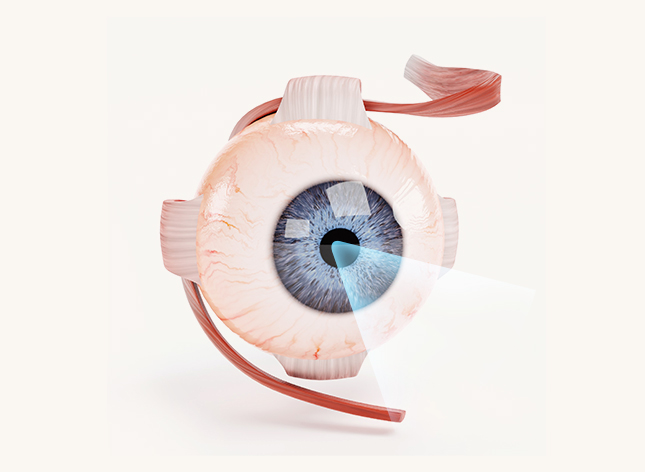
Eyelid Inflammation (Blepharitis): Causes, Symptoms & Daily Care
Board-Certified Ophthalmology Care in Guro, Seoul
Quick Answer
Blepharitis is chronic inflammation of the eyelid margins, most often caused by blocked meibomian (oil) glands or bacterial overgrowth on the eyelid skin. The most effective blepharitis treatment combines daily warm compresses, eyelid hygiene, and — for stubborn cases — medical or in-office therapy guided by an ophthalmologist.
Q. What is Blepharitis?
Blepharitis is one of the most common reasons patients visit an eye clinic in Guro and across western Seoul. It develops when the meibomian glands along the eyelid margin become blocked, or when normal skin bacteria overgrow at the base of the eyelashes, triggering ongoing inflammation. Because Seoul’s dry winters and air-conditioned summers both stress the tear film, effective blepharitis treatment in this climate usually needs to combine home care with periodic clinical review.
Q. What are the symptoms and signs?
- Redness and swelling along the eyelid margin
- Crusty or flaky debris at the base of the eyelashes, especially on waking
- Gritty, burning, or foreign-body sensation
- Excess tearing or, paradoxically, dryness
- Recurrent styes (hordeolum) or chalazia
- Eyelids that stick together overnight
Blepharitis in Korea: Key Figures
▸ Meibomian gland dysfunction is estimated to affect a large share of adults over 40 examined at Korean eye clinics.
▸ Dry eye and blepharitis frequently coexist, with Korean population studies reporting dry eye symptoms in roughly 1 in 5 to 1 in 3 adults.
▸ Heavy digital device use — common among office workers commuting through Yeongdeungpo and Gasan — is associated with reduced blink rate and worsened lid margin symptoms.
▸ Seasonal humidity swings in Seoul are a recognized aggravating factor for chronic lid margin disease.
Q. How is blepharitis treated?
First-line blepharitis treatment centers on eyelid hygiene: warm compresses for 5–10 minutes to soften blocked oil, followed by gentle lid margin scrubs with a diluted cleanser or lid wipe. This routine, done consistently, resolves mild cases for most patients without further intervention.
For moderate to severe or recurrent cases, your ophthalmologist may add topical antibiotic ointment, anti-inflammatory drops, oral omega-3 supplementation, or in-office meibomian gland expression to restore normal oil flow.
Q. Living with blepharitis in Seoul
Patients commuting daily through Yeongdeungpo, Guro, and Gasan often notice symptoms flare during long hours in air-conditioned offices or on public transit with strong heating in winter. Keeping a travel-size lid wipe on hand and taking regular screen breaks can meaningfully reduce flare-ups between clinic visits.
Residents of Gwanak and nearby districts frequently ask whether contact lens wear is still possible — in most stable cases it is, provided lid hygiene is maintained and lenses are not worn during active flares.
Q. When should I see a doctor in Seoul?
- Symptoms persist beyond 4–6 weeks of consistent home care
- Vision becomes blurry or fluctuates
- Eyelid swelling spreads or becomes painful
- Recurrent styes or chalazia develop
- Eye redness is accompanied by light sensitivity
Anterior Blepharitis
Affects the outer eyelid edge and lash base; often linked to bacteria or dandruff-like skin conditions.
Posterior Blepharitis
Involves the meibomian glands; the most common type seen in Korean adults with dry eye.
Mixed Type
A combination of both; typically requires a longer, combined treatment course.
From Dr. Daniel Baik
“Most of my blepharitis patients in Guro and Yeongdeungpo see real improvement once lid hygiene becomes a daily habit rather than an occasional fix. I always tailor blepharitis treatment to how a patient actually lives — screen time, contact lens use, and commute — not just what the eyelid looks like in the exam chair.”
❓ Frequently Asked Questions
Q. Is blepharitis contagious?
No. Blepharitis is caused by blocked oil glands, skin bacteria overgrowth, or conditions like rosacea and dandruff — not by an infection you can catch from someone else. Sharing towels or eye makeup can worsen irritation, but the condition itself does not spread between people.
Q. Can blepharitis be cured completely?
Blepharitis is usually a chronic condition that is managed rather than cured outright. With consistent lid hygiene, warm compresses, and periodic follow-up at a clinic in Guro or Yeongdeungpo, most patients keep symptoms well controlled for years at a time.
Q. How long does blepharitis treatment take to work?
Most patients notice less redness and crusting within two to four weeks of daily warm compresses and lid scrubs. Meibomian gland dysfunction can take six to eight weeks to show clear improvement, especially when combined with in-office treatments.
Q. Does blepharitis affect vision?
Blepharitis itself rarely causes permanent vision loss, but untreated cases can lead to dry eye, unstable tear film, and blurry or fluctuating vision, particularly during long screen use — a common complaint among patients from Gasan’s office districts.
Q. What foods or habits make blepharitis worse?
Poor eyelid hygiene, sleeping in eye makeup, high humidity paired with air-conditioning, and untreated dandruff or rosacea can all aggravate symptoms. Omega-3 intake and reducing screen-related blink suppression may help support tear film quality.
Q. When should I consider an in-clinic procedure?
If warm compresses and lid scrubs for four to six weeks don’t control crusting, redness, or recurrent styes, in-office treatments such as meibomian gland expression or IPL-based therapy can be considered at your ophthalmologist’s evaluation.
Q. Can children get blepharitis?
Yes, though it is less common than in adults. Pediatric blepharitis is usually linked to seborrheic skin conditions and responds well to gentle lid hygiene; a pediatric eye evaluation is recommended for children in Yeongdeungpo, Guro, or nearby areas with persistent eyelid redness.

Book a Consultation
Schedule a blepharitis evaluation with Dr. Daniel Baik at Nunehim Eye Center, Guro, Seoul.
nunehim.com
📍 Visit Nunehim Eye Center — Guro, Seoul
Convenient access from Guro, Gasan, Gwanak & Dongjak. Near Guro Digital Complex Station (Line 2).
Address: 551 Siheung-daero, Guro-gu, Seoul / nunehim.com
Hours: Mon–Fri 09:00–18:30 (lunch 13–14), Sat 09:00–14:00
Languages: Korean & English


Leave a comment