Eye Redness (Red Eyes): 10 Causes and When to Seek Help in Seoul
Expert guidance from Nunehim Eye Center, Guro-gu, Seoul
Q. What causes red eyes?
Red eyes (eye redness) are most often caused by conjunctivitis, dry eye disease, allergies, or minor irritation — but persistent redness with pain, vision change, or light sensitivity can signal uveitis, scleritis, or acute angle-closure glaucoma and needs same-day evaluation. If you are in Yeongdeungpo, Guro, Gasan, or Gwanak, Nunehim Eye Center offers evaluation for red eyes in English and Korean.
Q. What is eye redness and why does it happen?
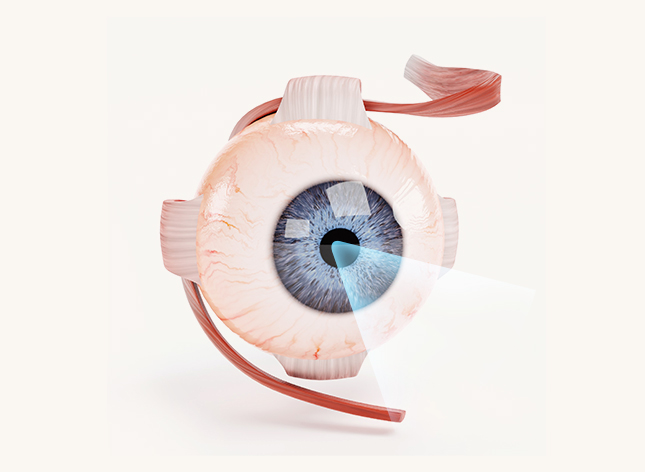
Eye redness happens when the small blood vessels on the surface of the eye — in the conjunctiva or the episclera beneath it — widen and become more visible. This can be triggered by infection, allergy, dryness, inflammation inside the eye, or simple irritation from dust, smoke, or long screen use. In most cases the cause is minor and resolves with basic care, but redness accompanied by pain or vision change is one of the most reliable signs that an eye needs to be examined promptly.
Q. What are the 10 most common causes of red eyes?
- Viral conjunctivitis (“pink eye”) — highly contagious, watery discharge
- Bacterial conjunctivitis — thicker, yellow-green discharge
- Allergic conjunctivitis — itching, watering, seasonal pattern
- Dry eye disease — burning, gritty sensation, worse by evening
- Subconjunctival hemorrhage — painless bright red patch
- Blepharitis — eyelid margin inflammation and crusting
- Contact lens overwear or lens-related keratitis
- Corneal abrasion or foreign body
- Uveitis — inflammation inside the eye, often with light sensitivity
- Acute angle-closure glaucoma — a medical emergency with severe pain
Local Context: Eye Health in Seoul
- ▸ Korea has one of the highest myopia rates in the world, with population studies reporting near-universal myopia among young adults in urban areas.
- ▸ Allergic conjunctivitis cases rise sharply during Korea’s spring pollen season and yellow dust (hwangsa) events, affecting many residents of Seoul.
- ▸ Dry eye disease is common among office workers in Yeongdeungpo and Gasan due to prolonged screen time and heated or air-conditioned indoor air.
- ▸ Contact lens use is widespread among younger patients in Guro and Gwanak, which increases the risk of lens-related red eye if hygiene is poor.
Q. How is eye redness treated?
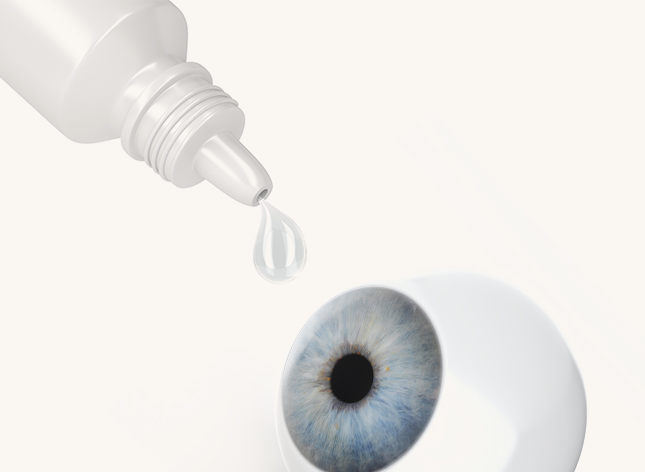
Treatment depends entirely on the cause. Viral conjunctivitis is managed with cold compresses and lubricating drops while it runs its course; bacterial conjunctivitis responds to prescription antibiotic drops. Allergic redness improves with antihistamine or mast-cell stabilizer drops, and blepharitis is managed with warm compresses and lid hygiene.
For dry-eye related redness, we often recommend preservative-free artificial tears first, then move to in-office treatments such as meibomian gland expression if the underlying issue is gland dysfunction. Contact lens wearers should pause lens use entirely until redness resolves.
Q. How can I tell if red eye is serious?
Mild redness that comes with only slight irritation and no vision change is usually safe to monitor for a day or two. Redness paired with eye pain, blurred vision, sensitivity to light, or discharge that keeps the eyelids stuck shut is a signal to be examined rather than waiting it out.
Patients often ask whether one red eye versus two is meaningful — a single red eye is more often linked to infection, injury, or a broken blood vessel, while two red eyes point more toward allergy or dryness, though this is only a general pattern, not a diagnosis.
Q. When is red eye a medical emergency?
- Severe eye pain, especially with nausea or vomiting
- Sudden blurred vision or vision loss
- Halos seen around lights
- Red eye following trauma or chemical exposure
- Copious pus-like discharge
- Pain in a contact lens wearer
- Marked light sensitivity (photophobia)
Viral
Watery discharge, often starts in one eye then spreads, very contagious, resolves in 1-2 weeks.
Bacterial
Thicker yellow-green discharge, eyelids often stuck shut in the morning, improves fast with antibiotics.
Allergic
Itching is prominent, both eyes affected, tends to follow pollen seasons and yellow dust events in Seoul.
A Note from Dr. Daniel Baik
“In my practice at Nunehim Eye Center, I see patients from Yeongdeungpo, Guro, and Gasan every week who assume redness will resolve on its own. Most cases are minor, but a same-day exam lets us catch the rarer, serious causes — like uveitis or angle-closure glaucoma — before they threaten vision. My advice is simple: if redness comes with pain or blurred vision, do not wait.”
❓ Frequently Asked Questions
Q. How long does pink eye (conjunctivitis) last?
Viral conjunctivitis typically clears in 7 to 14 days without treatment, while bacterial conjunctivitis often improves within 3 to 5 days of starting antibiotic eye drops. Allergic conjunctivitis can persist as long as you are exposed to the allergen, such as spring pollen or yellow dust in Seoul.
Q. Can allergies cause red eyes without itching?
Yes. While itching is the classic sign of allergic conjunctivitis, some patients mainly notice redness, watering, or a mild gritty feeling. If antihistamine drops do not help within a few days, it is worth having an eye exam to rule out dry eye or another cause.
Q. Is it safe to wear contact lenses with red eyes?
No. Contact lenses should be removed as soon as you notice redness, discomfort, or discharge, and should not be worn again until a doctor confirms it is safe. Continuing to wear lenses with red eyes raises the risk of corneal infection, which can threaten vision.
Q. Can stress or lack of sleep cause red eyes?
Yes, indirectly. Poor sleep and high stress reduce blink rate and tear film quality, which can bring on or worsen dry eye related redness. Screen-heavy office work common in Yeongdeongpo and Gasan business districts often compounds this effect.
Q. What eye drops are safe for red eyes without a prescription?
Preservative-free artificial tears are generally safe for mild, short-term redness from dryness or irritation. We advise against long-term daily use of over-the-counter “get the red out” vasoconstrictor drops, since they can cause rebound redness with repeated use.
Q. Should I see a doctor in Seoul for a subconjunctival hemorrhage?
A subconjunctival hemorrhage — a bright red patch from a broken blood vessel — usually looks alarming but is painless and resolves on its own in one to two weeks. You should still be seen if it follows an injury, recurs frequently, or comes with pain or vision change.
Q. How does Nunehim Eye Center treat chronic red eye?
We start with a slit-lamp exam to identify the underlying cause, whether that is dry eye, blepharitis, or an allergic component, then build a tailored plan that may include lid hygiene, prescription drops, or in-office treatment. Patients from Yeongdeungpo, Guro, Gasan, and Gwanak can book a same-week consultation in Korean or English.

Book a Consultation
Nunehim Eye Center welcomes English and Korean speaking patients from Yeongdeungpo, Guro, Gasan, and Gwanak for red eye evaluation.
or visit nunehim.com
📍 Visit Nunehim Eye Center — Guro, Seoul
Convenient access from Guro, Gasan, Gwanak & Dongjak. Near Guro Digital Complex Station (Line 2).
Address
551 Siheung-daero, Guro-gu, Seoul / nunehim.com
Hours
Mon–Fri 09:00–18:30 (lunch 13–14), Sat 09:00–14:00
Languages
Korean & English


Leave a comment