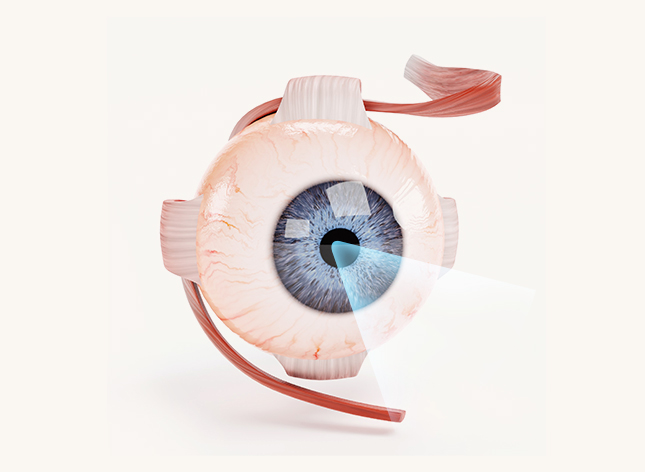
Eye Pressure (IOP): What Are Normal Levels and Why It Matters
A Seoul Ophthalmologist Explains Intraocular Pressure — Nunehim Eye Center
Q. What is a normal eye pressure level?
Normal intraocular pressure (IOP) ranges from 10 to 21 mmHg, averaging around 15–16 mmHg. Pressure consistently above 21 mmHg raises the risk of glaucoma, but IOP alone does not diagnose disease — optic nerve health and visual field testing matter just as much. At Nunehim Eye Center in Yeongdeungpo-gu, Seoul, we measure eye pressure as a routine part of every comprehensive eye exam.
Q. What is eye pressure and how is it measured?
Intraocular pressure is created by the balance between aqueous humor (the clear fluid inside the eye) being produced and drained. When drainage slows, pressure builds. IOP is measured in millimeters of mercury (mmHg) using tonometry — most commonly Goldmann applanation tonometry (the gold standard, performed at the slit lamp) or a non-contact “air-puff” tonometer often used for quick screening.
Q. What are the symptoms of high eye pressure?
- Chronic high pressure (open-angle glaucoma): usually no symptoms at all — this is why it is called the “silent thief of sight”
- Acute angle-closure attack: sudden severe eye pain, blurred vision, halos around lights, headache, nausea and vomiting — this is a medical emergency
- Gradual peripheral (side) vision loss, often unnoticed until advanced
- Redness and a hard, tender eye during an acute pressure spike
Eye Pressure & Glaucoma in Korea — Key Statistics
- ▸ Glaucoma prevalence rises sharply after age 40 among Korean adults, according to national health survey data
- ▸ A majority of Korean glaucoma patients have normal-tension glaucoma — optic nerve damage occurs even with IOP in the normal 10–21 mmHg range
- ▸ Many patients are unaware they have glaucoma until moderate vision loss has already occurred
- ▸ Annual comprehensive eye exams, including IOP and optic nerve imaging, are recommended for adults over 40 across Seoul, including Yeongdeungpo, Guro, and Gasan
Q. How is elevated eye pressure treated?
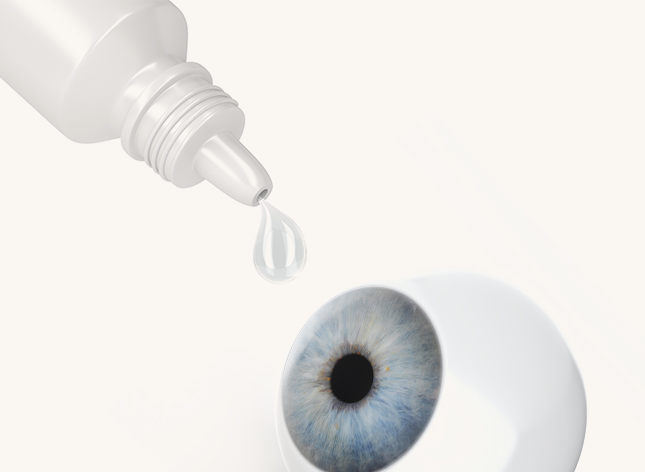
Treatment is tailored to the individual. First-line therapy is usually prescription eye drops (prostaglandin analogs, beta-blockers, or combination drops) that lower pressure by reducing fluid production or improving drainage. When drops are not enough or not tolerated, selective laser trabeculoplasty (SLT) or minimally invasive glaucoma surgery (MIGS) can help control pressure with a quicker recovery than traditional surgery.
Patients from Yeongdeungpo, Guro, Gasan, and Gwanak visit Nunehim Eye Center for individualized IOP management plans, with regular monitoring to track how well treatment is working.
Q. What factors make eye pressure go up or down?
Eye pressure naturally fluctuates throughout the day (diurnal variation), often peaking in the early morning. Corneal thickness can make measured readings appear higher or lower than the true pressure. Long-term steroid use (eye drops, inhalers, or oral medications), certain medical conditions, and even body position (lying down versus sitting) can all influence IOP. This is why a single reading is only part of the picture — trend monitoring over multiple visits gives a clearer diagnosis.
⚠ When Is Eye Pressure a Medical Emergency?
- Sudden, severe eye pain with headache and nausea
- Rapid blurring of vision with halos around lights
- A red, hard, tender eye
- These signs suggest acute angle-closure glaucoma — seek emergency eye care immediately, do not wait for a scheduled appointment
Normal IOP
10–21 mmHg. No optic nerve damage, normal vision.
Ocular Hypertension
Above 21 mmHg, but optic nerve and visual field remain normal. Requires monitoring.
Glaucoma
Elevated or even normal IOP plus optic nerve damage and/or visual field loss. Requires treatment.
From Dr. Daniel Baik
“Eye pressure by itself rarely tells the whole story — I always look at the optic nerve and visual field together with the IOP reading. Many of my glaucoma patients here in Yeongdeungpo have pressure that looks normal on paper, which is exactly why routine screening after age 40 matters so much.”
❓ Frequently Asked Questions
Q. Can eye pressure be normal and still have glaucoma?
Yes. This is called normal-tension glaucoma, where optic nerve damage occurs despite IOP staying within the 10–21 mmHg range. It is relatively common among Korean and other East Asian patients, which is why optic nerve imaging is essential, not just a pressure check.
Q. How is eye pressure measured?
Goldmann applanation tonometry, performed at the slit lamp, is the clinical gold standard. Many clinics also use a quick non-contact “air-puff” tonometer for initial screening before confirming with applanation tonometry.
Q. Does eye pressure change throughout the day?
Yes, IOP shows diurnal variation and is often highest in the early morning. This is one reason your doctor may check pressure at more than one visit or time of day if glaucoma is suspected.
Q. Can stress or caffeine raise eye pressure?
Caffeine can cause a small, temporary rise in IOP in some people. Chronic stress has a less direct link, but general eye health — sleep, screen breaks, and hydration — still supports stable pressure.
Q. Is high eye pressure always glaucoma?
No. Ocular hypertension means IOP is above the normal range but the optic nerve and visual field are still healthy. It is not glaucoma, but it does raise future risk and needs regular monitoring.
Q. How often should I get my eye pressure checked in Seoul?
Adults over 40 should have IOP checked annually. Those with a family history of glaucoma, high myopia, or long-term steroid use — common among office workers across Yeongdeungpo, Guro, and Gasan — should be screened even more often.
Q. Can eye pressure be lowered without surgery?
Yes. Prescription eye drops are the first-line treatment for most patients, and selective laser trabeculoplasty is a quick, non-surgical in-office procedure that can reduce or delay the need for drops.

Book a Consultation
If you have not had your eye pressure checked in the past year, schedule a comprehensive eye exam at Nunehim Eye Center in Yeongdeungpo-gu, Seoul.
nunehim.com
📍 Visit Nunehim Eye Center — Yeongdeungpo, Seoul
Convenient access from Yeongdeungpo, Guro, Gasan & Gwanak. Korean and English consultations available.
Address
Yeongdeungpo-gu, Seoul · nunehim.com
Hours
Mon–Fri 09:00–18:30 (lunch 13:00–14:00), Sat 09:00–14:00
Languages
Korean & English


Leave a comment