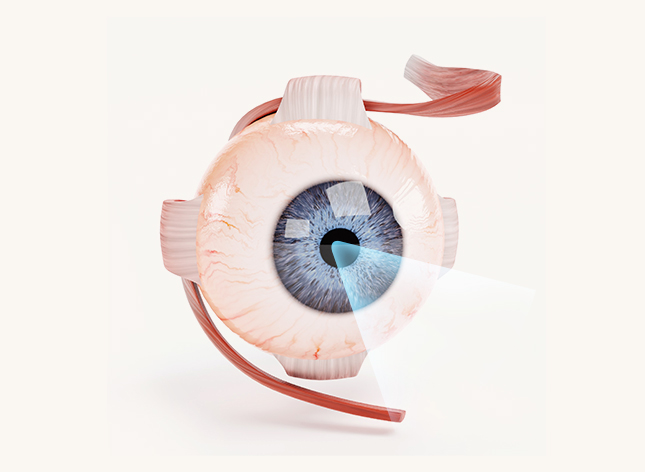
Keratoconus: Early Detection and Management in Seoul
A board-certified ophthalmologist’s guide for patients in Guro, Yeongdeungpo, Gasan & Gwanak
Q. What is keratoconus?
Keratoconus is a progressive eye disease in which the normally round cornea thins and bulges into a cone shape, causing blurred vision, glare, and increasing astigmatism. It typically begins in the teens or twenties and, without monitoring, can worsen over 10–20 years — early detection in Seoul through corneal topography allows treatment before vision loss becomes severe.
Q. How common is keratoconus in Korea?
Keratoconus affects roughly 1 in 2,000 people worldwide, but recent Korean studies suggest the rate among young adults may be higher, particularly among frequent eye-rubbers and those with allergic conjunctivitis — a common issue in Seoul’s pollen and dust seasons. Because Korea also has one of the highest myopia rates globally, keratoconus is sometimes mistaken for simple worsening nearsightedness until corneal imaging reveals the true cause.
Keratoconus at a Glance
- ▸ Onset: usually age 10–25, can progress into the 30s
- ▸ Eye rubbing is a major aggravating factor — common in allergy season in Seoul
- ▸ Often affects both eyes, but asymmetrically
- ▸ Family history increases risk roughly 15–20x
Q. What treatment options are available?
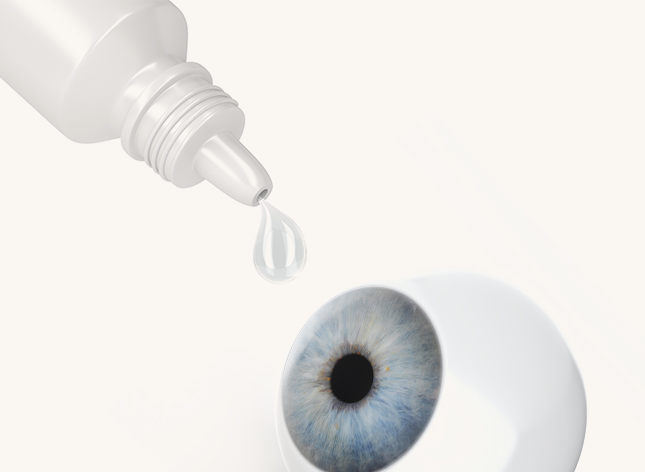
Early-stage keratoconus is often managed with glasses or soft contact lenses. As it progresses, rigid gas-permeable (RGP) lenses or scleral lenses provide sharper vision by masking corneal irregularity. To halt progression, corneal collagen cross-linking (CXL) strengthens corneal fibers using UV light and riboflavin drops — this is the only treatment shown to stop the disease from worsening, and is most effective when started early.
In advanced cases where lenses no longer help, corneal transplant (DALK or full-thickness) may be considered. At Nunehim Eye Center, we do not perform SMILE LASIK on keratoconic corneas — our focus for these patients is corneal topography-guided diagnosis and referral or co-management for cross-linking and specialty lens fitting.
Q. When should I see a doctor in Seoul?
See an ophthalmologist promptly if you notice rapidly changing eyeglass prescriptions, glare or halos at night, blurred vision that glasses cannot fully correct, or frequent eye rubbing due to itchiness. Patients in Guro, Yeongdeungpo, Gasan, and Gwanak can get a same-visit corneal topography scan at Nunehim Eye Center to check corneal shape and detect early keratoconus before it affects daily life.
Warning Signs Not to Ignore
- Vision that blurs or distorts within months, not years
- Frequent changes in astigmatism power at each exam
- Sudden eye pain with cloudy vision (possible acute hydrops — seek same-day care)
Mild
Mild astigmatism, corrected with glasses or soft lenses
Moderate
RGP/scleral lenses; CXL considered to halt progression
Advanced
Scarring may require corneal transplant referral
A Note from Dr. Daniel Baik
“I see many patients in Yeongdeungpo and Guro who assume their worsening prescription is just nearsightedness getting worse. A quick corneal topography scan can catch keratoconus early, when treatment options are simplest and most effective. If your glasses prescription keeps changing, it is worth checking.”
❓ Frequently Asked Questions
Q. Is keratoconus curable?
There is no cure that restores a fully normal cornea, but cross-linking can stop progression, and specialty contact lenses or surgery can restore functional, often excellent, vision.
Q. Can I get LASIK if I have keratoconus?
No — LASIK and SMILE are not safe for keratoconic corneas because they further weaken corneal structure. Nunehim Eye Center does not perform SMILE LASIK and will guide keratoconus patients toward appropriate alternatives instead.
Q. Does eye rubbing really cause keratoconus?
Chronic eye rubbing, especially from allergies common in Seoul’s spring pollen season, is one of the strongest known risk factors for onset and progression. Managing allergies and avoiding rubbing is an important preventive step.
Q. How is keratoconus diagnosed?
Diagnosis relies on corneal topography or tomography, a painless imaging test that maps the curvature and thickness of the cornea, available at Nunehim Eye Center in Guro-gu.
Q. Is keratoconus hereditary?
Genetics play a role — having a parent or sibling with keratoconus increases risk, so family members of diagnosed patients should consider a screening topography scan.
Q. Can children have keratoconus?
Yes, and childhood-onset cases tend to progress faster, making regular eye exams important for children with rapidly changing prescriptions or significant astigmatism.
Q. What does cross-linking treatment involve?
Corneal cross-linking is an outpatient procedure using riboflavin eye drops activated by UV light to strengthen corneal collagen fibers; recovery typically takes about a week with some light sensitivity.

Book a Consultation
Concerned about your corneal shape or a changing prescription? Nunehim Eye Center offers corneal topography screening for patients across Guro, Yeongdeungpo, Gasan, and Gwanak.
nunehim.com
📍 Visit Nunehim Eye Center — Guro, Seoul
Convenient access from Guro, Gasan, Gwanak & Dongjak. Near Guro Digital Complex Station (Line 2).
Address
551 Siheung-daero, Guro-gu, Seoul
nunehim.com
Hours
Mon–Fri 09:00–18:30 (lunch 13–14)
Sat 09:00–14:00
Languages
Korean & English


Leave a comment