Corneal Abrasion & Eye Injury: First Aid and When to See a Doctor
Emergency eye care guidance for Yeongdeungpo, Guro, Gasan & Gwanak, Seoul
Q. What is a corneal abrasion?
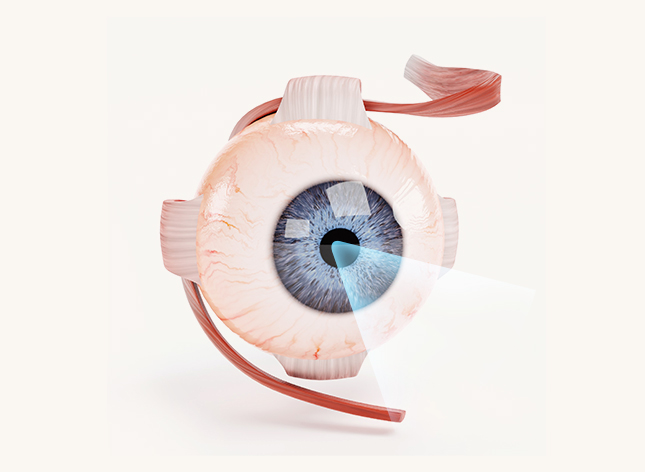
A corneal abrasion is a scratch or scrape on the clear front surface of the eye, usually caused by dust, sand, a fingernail, a contact lens, or a branch. It is one of the most common eye injuries seen in Seoul emergency eye visits, and while most heal within a few days with proper care, an untreated or infected corneal abrasion can threaten vision.
Q. What causes corneal abrasions and eye injuries?
Common causes include foreign bodies such as dust, sand, or metal fragments, fingernail scratches (especially from children or during sleep), improper contact lens insertion or removal, sports impacts, branches or plants, makeup applicators, and chemical splashes from cleaning products. Workplace and household accidents account for a large share of eye injuries treated at clinics across Guro and Gasan.
Q. What are the symptoms of a corneal abrasion?
- Sharp eye pain that worsens with blinking
- A gritty or foreign-body sensation, as if something is still in the eye
- Redness, tearing, and light sensitivity
- Blurred vision in the affected eye
- Involuntary eyelid spasm (blepharospasm)
Eye Injuries in Korea: Key Figures
- ▸ Eye trauma is among the leading causes of emergency ophthalmology visits in Korea, with corneal abrasions the most frequent diagnosis
- ▸ Most uncomplicated corneal abrasions heal within 24–72 hours with appropriate treatment
- ▸ Contact lens wearers face a higher risk of infection following corneal abrasion if lenses are not removed promptly
- ▸ Children account for a significant share of playground and household eye injuries seen in Seoul clinics
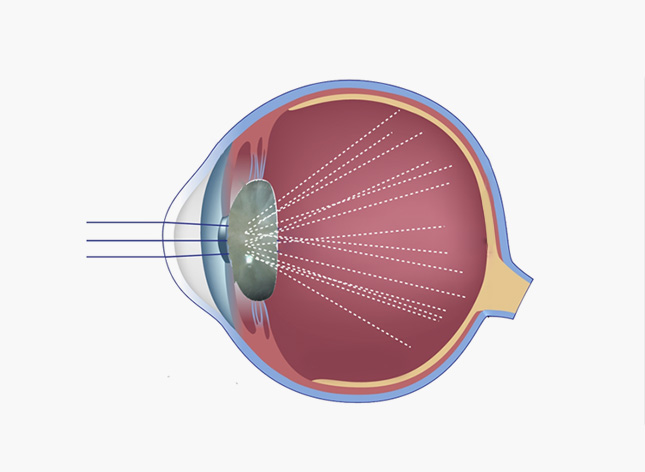
Q. How is a corneal abrasion treated?
Treatment typically includes antibiotic eye drops or ointment to prevent infection, lubricating drops for comfort, and in some cases a short course of drops to reduce pain and inflammation. Contact lenses must be avoided until the cornea has fully healed. Most patients recover fully within a few days, but follow-up is important to confirm healing and rule out infection or scarring.
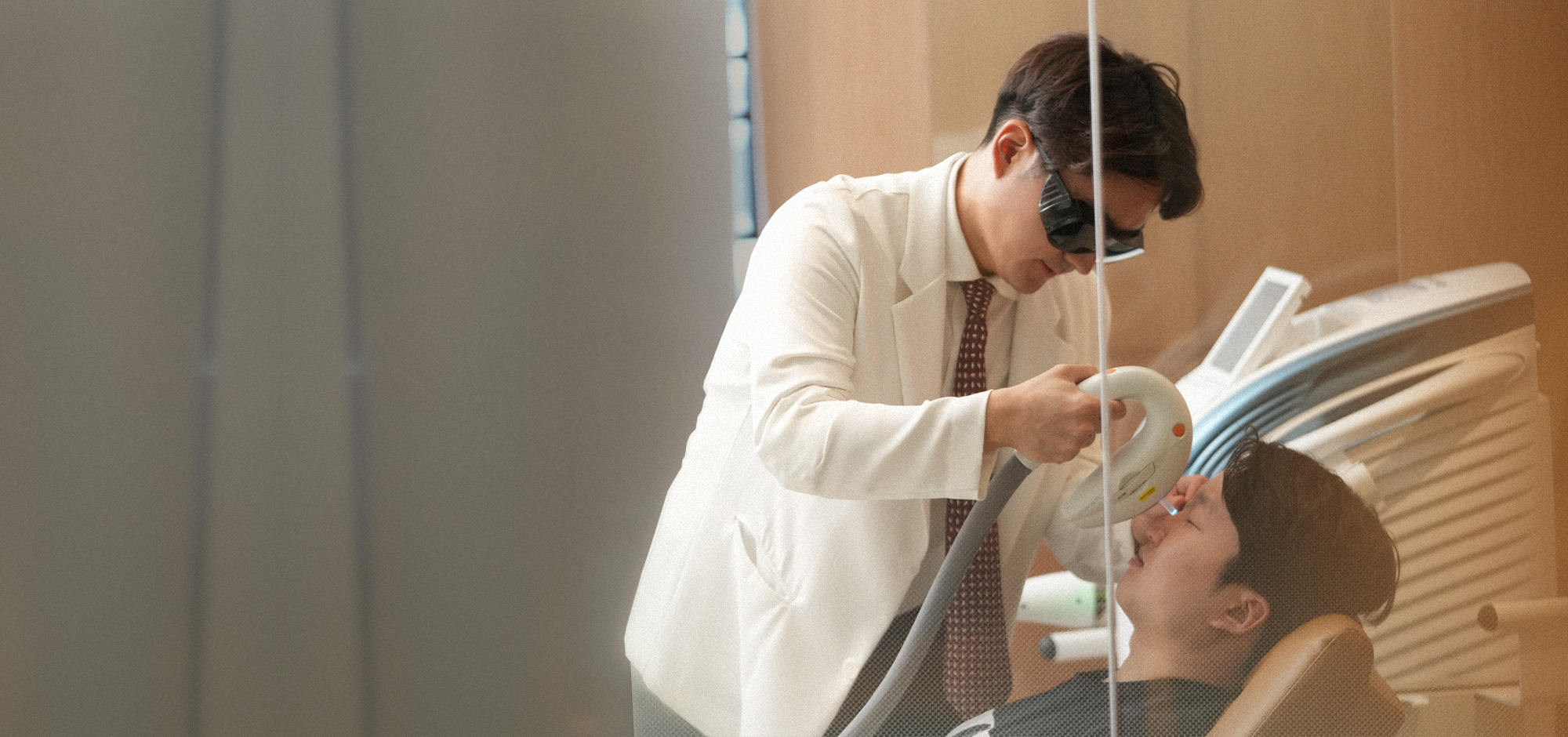
At Nunehim Eye Center, we use slit-lamp examination with fluorescein staining to precisely map the abrasion, check for retained foreign material, and tailor treatment accordingly.
Q. What first aid should you give for an eye injury?
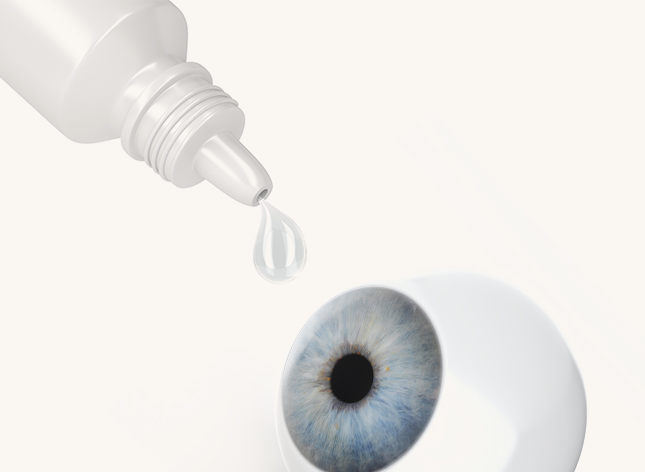
Do not rub the eye. Blink gently and try flushing with clean water or sterile saline to remove loose debris. Avoid removing an embedded object yourself — cover the eye loosely and seek care immediately. If a chemical has splashed into the eye, flush continuously with clean water for 15 to 20 minutes and go straight to an eye clinic or emergency department in Yeongdeungpo, Guro, Gasan, or Gwanak.
Q. When is an eye injury a medical emergency?
- A visible cut, embedded object, or penetrating injury to the eye
- Sudden vision loss or a significant change in vision
- Chemical exposure of any kind, even if pain subsides quickly
- Severe pain that does not improve after gentle flushing
- Blood visible inside the eye or an irregularly shaped pupil
Common Causes
Dust and sand, fingernail scratches, contact lenses, sports impact, chemical splashes
Severity
Minor (surface scratch), moderate (deeper abrasion, infection risk), severe (penetrating injury, chemical burn)
Care Path
Flush and monitor, same-day clinic visit, or immediate emergency care
A Note from Dr. Daniel Baik
“I remind every patient in Guro and Gasan: never try to remove an embedded object from the eye yourself, and never rub an irritated eye. Most corneal abrasions heal quickly and completely with the right treatment, but the first hour after an injury matters — flushing gently and coming in promptly makes recovery much smoother.”
— Dr. Daniel Baik, board-certified ophthalmologist, Nunehim Eye Center
❓ Frequently Asked Questions
Q. Should I rub my eye if something is stuck in it?
No — rubbing can worsen a corneal abrasion or push a foreign object deeper. Blink gently, flush with clean water or saline, and seek care if discomfort persists.
Q. How long does a corneal abrasion take to heal?
Most minor corneal abrasions heal within 24 to 72 hours with proper treatment, though deeper injuries can take longer and require follow-up care.
Q. Can a corneal abrasion cause permanent vision loss?
Most heal completely without lasting damage, but deep, infected, or improperly treated abrasions can lead to scarring that affects vision, which is why prompt evaluation matters.
Q. Is it safe to wear contact lenses with a corneal abrasion?
No — contact lenses should be removed immediately and not worn again until an eye doctor confirms the cornea has fully healed, since lens wear raises infection risk.
Q. What should I do if a chemical splashes into my eye?
Flush the eye continuously with clean water for at least 15 to 20 minutes and seek emergency eye care immediately afterward, even if the eye feels normal.
Q. Can children get corneal abrasions from playground injuries?
Yes, sand, fingernails, and toys are common causes in children. Any child with eye pain, tearing, or light sensitivity after an injury should be examined promptly.
Q. When should I visit Nunehim Eye Center for an eye injury?
Any eye injury with pain, redness, vision change, or a lingering foreign-body sensation that does not resolve after gentle flushing should be evaluated the same day. Patients from Yeongdeungpo, Guro, Gasan, and Gwanak can book urgent consultations via Naver Booking.

Book a Consultation
Eye injury or persistent discomfort? Our team in Guro is ready to help — serving Yeongdeungpo, Gasan, and Gwanak.
Visit nunehim.com
📍 Visit Nunehim Eye Center — Guro, Seoul
Convenient access from Guro, Gasan, Gwanak & Dongjak. Near Guro Digital Complex Station (Line 2).
Address
Guro-gu, Seoul — 눈에힘안과 | nunehim.com
Hours
Mon–Fri 09:00–18:30 (lunch 13:00–14:00), Sat 09:00–14:00
Languages
Korean & English consultations available


Leave a comment