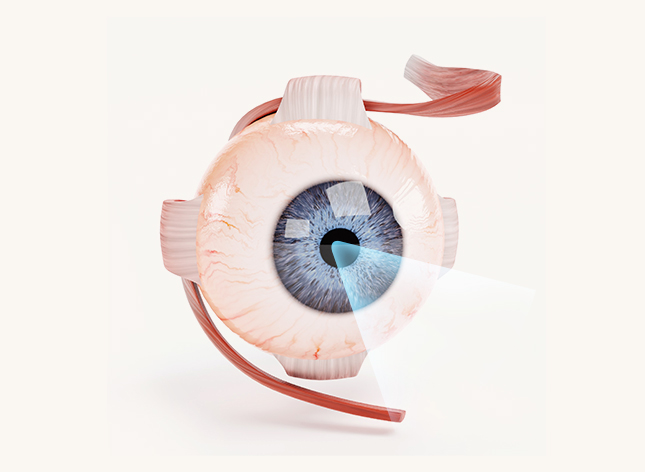
Photophobia (Light Sensitivity): Causes and Treatment in Seoul
Understanding light sensitivity and when to see an eye doctor in Yeongdeungpo, Guro, Gasan & Gwanak
Q. What is photophobia and why does it happen?
Photophobia is an abnormal sensitivity to light that causes discomfort, squinting, or eye pain in normal or even dim lighting. It happens when the eyes, optic nerve, or trigeminal nerve pathways become over-stimulated by light, often due to dry eye, migraine, inflammation, or corneal irritation. Anyone in Seoul with sudden or severe light sensitivity in the eyes should have a prompt eye exam to rule out a serious underlying cause.
Q. What causes light sensitivity in the eyes?
Light sensitivity in Seoul patients is usually traced back to one of a handful of common causes: dry eye syndrome, migraine, corneal abrasion or irritation, uveitis (eye inflammation), conjunctivitis, blepharitis, recovery from TransPRK or 2-Day LASEK, early cataracts, certain medications, and prolonged digital screen use. Because so many conditions can trigger photophobia, an eye exam is the only reliable way to identify the true cause of light sensitivity eyes in Seoul.
Q. What are the symptoms of photophobia?
- Squinting or blinking excessively in normal indoor or outdoor light
- Eye pain or headache triggered by sunlight, screens, or fluorescent lighting
- Watery eyes and increased blinking frequency
- Difficulty driving at night due to glare from headlights
- Discomfort that worsens indoors under office or fluorescent lighting
Light Sensitivity in Korea: Key Figures
- ▸ Nearly 1 in 5 Korean adults report frequent digital eye strain symptoms, including light sensitivity, according to Korean Ophthalmological Society survey data
- ▸ Migraine affects roughly 6% of Korean adults, with photophobia as a hallmark symptom
- ▸ Dry eye disease affects up to 30% of adults in Seoul, a leading cause of secondary light sensitivity
- ▸ Mild light sensitivity is common for 3–7 days after TransPRK or 2-Day LASEK as the corneal surface heals
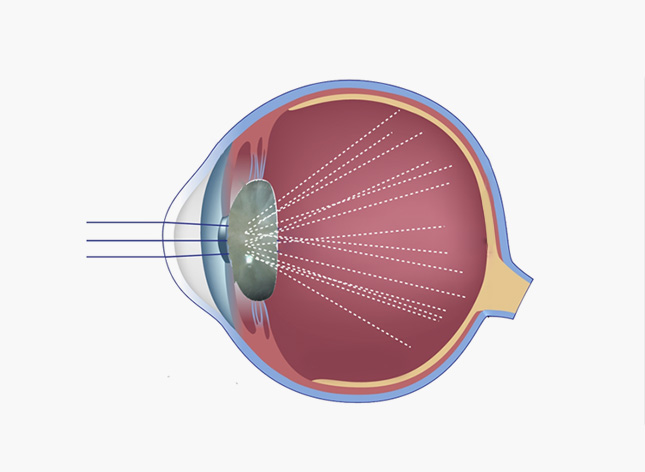
Q. How is photophobia treated?
Treatment starts with identifying and addressing the underlying cause. Dry-eye-related light sensitivity responds well to preservative-free artificial tears, warm compresses, and meibomian gland therapy. Migraine-related photophobia is managed jointly with headache treatment and photochromic or tinted lenses. Corneal irritation or injury requires targeted drops and close monitoring.
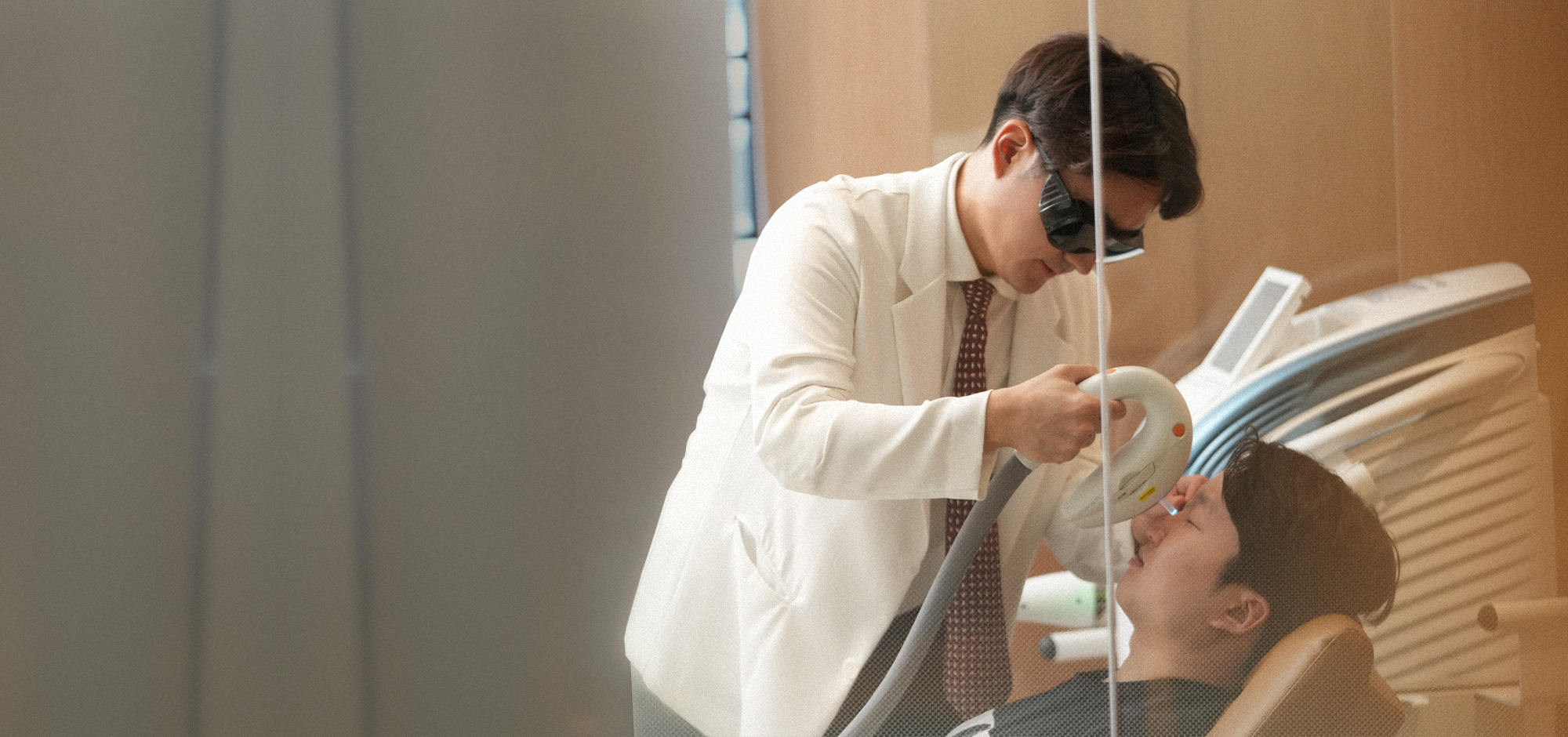
At Nunehim Eye Center, every patient with light sensitivity receives a full slit-lamp examination, tear film assessment, and corneal check so we can recommend the right treatment rather than a generic fix.
Q. Can migraines cause light sensitivity?
Yes — migraine is one of the most common causes of photophobia. During a migraine, the trigeminal nerve pathway that connects the eyes and brain becomes hypersensitive, making ordinary light feel painfully bright. Patients in Yeongdeungpo and Gasan who notice light sensitivity paired with headache, visual aura, or nausea should be evaluated by both a neurologist and an ophthalmologist, since eye conditions can sometimes mimic or worsen migraine symptoms.
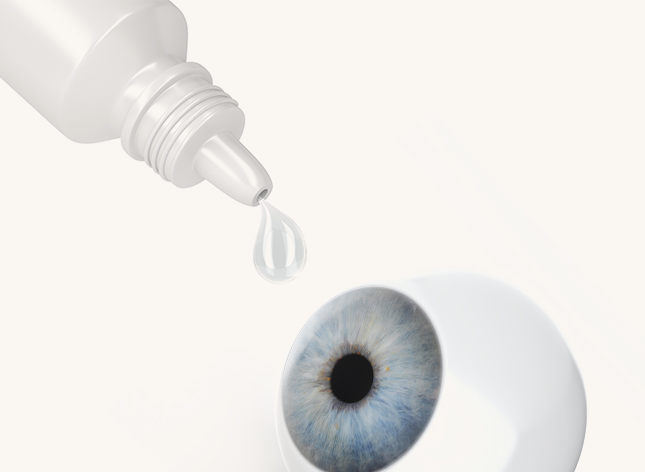
Q. When is light sensitivity an emergency?
- Sudden, severe eye pain together with light sensitivity
- Vision loss or blurred vision accompanying the sensitivity
- Photophobia developing after an eye injury or chemical exposure
- Redness with discharge and light sensitivity, suggesting possible infection
- Photophobia with fever and neck stiffness — seek emergency care immediately, as this can signal meningitis
Common Causes
Dry eye, migraine, corneal irritation, conjunctivitis, post-surgical healing
Typical Duration
Temporary (screen strain, mild dryness), short-term (post-procedure, conjunctivitis), or persistent (uveitis, chronic dry eye, keratoconus)
Recommended Care
Self-care and artificial tears, a clinic exam within days, or same-day/emergency eye care
A Note from Dr. Daniel Baik
“In my clinic in Guro, I see photophobia almost every week. Most cases trace back to dry eye or digital eye strain, but I always perform a full slit-lamp exam to rule out corneal or inflammatory causes first. Getting the underlying diagnosis right is what makes the difference between temporary relief and lasting comfort.”
— Dr. Daniel Baik, board-certified ophthalmologist, Nunehim Eye Center
❓ Frequently Asked Questions
Q. Is light sensitivity a sign of a serious eye problem?
Not always — mild light sensitivity is often linked to dry eye or eye strain. However, sudden or severe photophobia, especially with pain or vision changes, should be evaluated by an ophthalmologist promptly to rule out corneal injury, uveitis, or infection.
Q. Can wearing contact lenses cause photophobia?
Yes. Contact lenses can cause corneal dryness, micro-abrasions, or infections that lead to increased light sensitivity, particularly with extended wear or poor lens hygiene.
Q. Does photophobia go away on its own?
Mild, screen-related light sensitivity often improves with rest, artificial tears, and reduced screen time. Photophobia caused by an underlying condition such as uveitis or corneal injury requires treatment to resolve.
Q. Are tinted glasses helpful for light sensitivity?
Yes, photochromic or lightly tinted lenses can reduce glare and discomfort for many patients, especially those with migraine-related or chronic photophobia, though they should complement rather than replace treatment of the underlying cause.
Q. Can children have photophobia?
Yes. Children can experience light sensitivity from allergic conjunctivitis, migraine, or uncorrected refractive errors. Persistent light sensitivity in a child should be evaluated by a pediatric-experienced ophthalmologist.
Q. How long does light sensitivity last after LASEK or TransPRK?
Mild light sensitivity is common for the first 3 to 7 days after TransPRK or 2-Day LASEK as the corneal surface heals, and typically resolves within one to two weeks.
Q. When should I visit Nunehim Eye Center for light sensitivity?
If light sensitivity is sudden, severe, worsening, or accompanied by pain, redness, discharge, or vision changes, book a same-week consultation. Patients from Yeongdeungpo, Guro, Gasan, and Gwanak can schedule online via Naver Booking.

Book a Consultation
If light sensitivity is affecting your daily life, our team in Guro is ready to help — serving Yeongdeungpo, Gasan, and Gwanak.
Visit nunehim.com
📍 Visit Nunehim Eye Center — Guro, Seoul
Convenient access from Guro, Gasan, Gwanak & Dongjak. Near Guro Digital Complex Station (Line 2).
Address
Guro-gu, Seoul — 눈에힘안과 | nunehim.com
Hours
Mon–Fri 09:00–18:30 (lunch 13:00–14:00), Sat 09:00–14:00
Languages
Korean & English consultations available


Leave a comment