Vision Changes During Pregnancy: What Is Normal in Korea?
A Seoul ophthalmologist explains which pregnancy-related vision changes are normal — and which are not
Q. What is the quick answer on vision changes during pregnancy?
Mild vision changes during pregnancy — blurriness, dry eyes, and contact lens discomfort — are common and usually caused by hormonal fluid shifts that resolve after delivery. Sudden or severe changes, however, can signal preeclampsia and require urgent evaluation.
Q. Why do so many pregnant women in Korea report blurry vision?
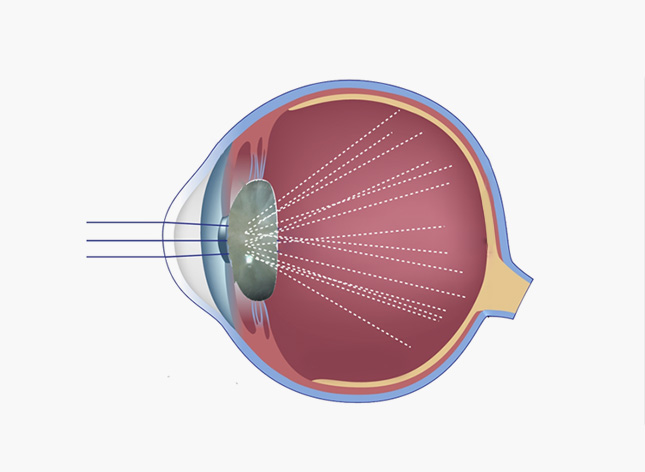
During pregnancy, rising hormone levels cause the body to retain fluid, and the cornea — the clear front window of the eye — can absorb some of that extra fluid and swell slightly. This mild corneal swelling changes how light bends as it enters the eye, producing the blurriness that many patients across Yeongdeungpo and Guro describe in their second and third trimesters.
Q. What symptoms are considered normal versus concerning?
- Normal: mild blurriness, dry or gritty eyes, contact lens discomfort
- Normal: slight difficulty focusing when tired
- Concerning: sudden loss of vision in one or both eyes
- Concerning: flashing lights, new floaters, or double vision
Pregnancy & Vision — Key Figures
▸ A large share of pregnant women report some degree of dry eye or visual blurring, most often in the second and third trimester
▸ Preeclampsia affects a small but meaningful percentage of pregnancies in Korea and can cause visual symptoms as an early warning sign
▸ Most corneal curvature changes during pregnancy reverse within a few months after delivery
▸ Contact lens intolerance is one of the most frequently reported pregnancy-related eye complaints among Korean patients
Q. How can dry eye and blurriness be managed safely during pregnancy?
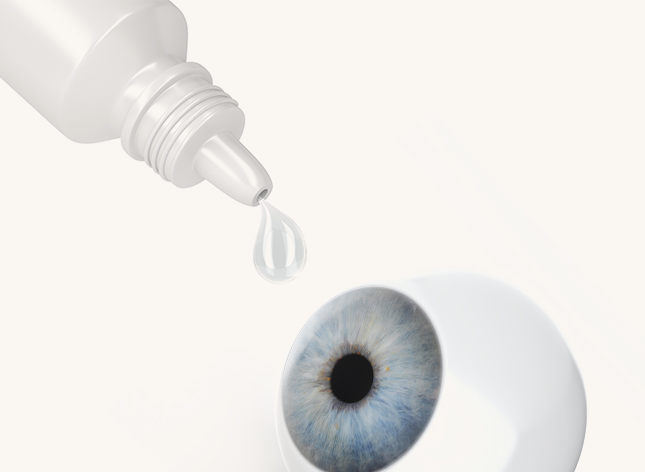
Preservative-free artificial tears, used as often as needed, are considered safe throughout pregnancy and are usually enough to manage dryness. Switching from contact lenses to glasses for a few months, using a humidifier, and taking regular breaks from screens can also meaningfully reduce discomfort.
Avoid starting new prescription eye medications without checking with both your obstetrician and ophthalmologist, since not all eye drops are considered safe during pregnancy or breastfeeding.
Q. Should my glasses prescription be updated during pregnancy?
Because corneal shape can fluctuate during pregnancy, we generally advise waiting until a few months after delivery — and after breastfeeding, if applicable — before updating a glasses or contact lens prescription. An earlier update risks becoming inaccurate once hormone levels and corneal curvature stabilize.
Q. When should a pregnant woman seek urgent eye care?
- Sudden blurred or lost vision in one or both eyes
- New flashing lights, floaters, or a curtain-like shadow in vision
- Double vision, especially with headache or swelling
- Severe headache with visual disturbance, a possible preeclampsia warning sign
First Trimester
Vision usually stable; mild hormonal changes begin
Second/Third Trimester
Blurriness, dryness, and contact lens discomfort peak
Postpartum
Most vision changes resolve within 1–3 months, longer if breastfeeding
From Dr. Daniel Baik
“Most pregnancy-related vision changes are harmless and temporary, but I always tell my patients in Yeongdeungpo and Guro: sudden or severe visual symptoms during pregnancy are never something to wait out. A same-day check can rule out — or catch early — a condition like preeclampsia.”
❓ Frequently Asked Questions
Q. Why does pregnancy affect vision?
Pregnancy affects vision mainly through hormonal shifts and fluid retention, which can slightly change the shape and thickness of the cornea and reduce tear film stability. Most of these changes are temporary and mirror the fluid shifts many women in Yeongdeungpo and Guro notice elsewhere in the body during pregnancy, such as swelling in the hands or feet.
Q. Is it normal for contact lenses to feel uncomfortable during pregnancy?
Yes, it is common for contact lenses to feel less comfortable during pregnancy because corneal swelling and reduced tear production change how the lens fits and how the eye tolerates it. Many patients switch temporarily to glasses or looser-fitting lenses during pregnancy and return to their usual contacts a few months after delivery.
Q. Can pregnancy cause dry eyes?
Pregnancy is a well-recognized cause of temporary dry eye, driven by hormonal changes that reduce both the quantity and quality of tears. Preservative-free artificial tears are generally considered safe throughout pregnancy and are the first-line treatment we recommend at our Guro-gu clinic for expecting mothers across Gasan and Gwanak.
Q. What vision changes could signal a serious problem like preeclampsia?
Sudden blurred vision, seeing flashing lights or floaters, double vision, or temporary vision loss during pregnancy — especially in the second half — can be warning signs of preeclampsia, a blood-pressure-related condition that affects the retina and optic nerve. These symptoms need same-day evaluation with both an obstetrician and an ophthalmologist, not a wait-and-see approach.
Q. Should I get LASIK while pregnant or breastfeeding?
Refractive surgery such as LASIK or TransPRK is generally not recommended during pregnancy or breastfeeding because hormonal fluctuations can temporarily change the cornea’s curvature, making the surgical outcome less predictable. Most ophthalmologists, including our team, advise waiting until several months after breastfeeding ends and vision has stabilized before scheduling refractive surgery.
Q. Are there existing eye conditions that need extra monitoring during pregnancy?
Women with pre-existing diabetic retinopathy, high myopia, or a history of retinal detachment should have closer eye monitoring during pregnancy, since blood sugar and blood pressure changes can accelerate retinal changes. If you fall into one of these groups and live in Yeongdeungpo, Guro, or Gasan, we recommend a baseline dilated eye exam early in pregnancy.
Q. When will my vision return to normal after giving birth?
Most pregnancy-related vision changes resolve within one to three months after delivery, and longer if breastfeeding continues, since hormone levels take time to normalize. If blurriness, dryness, or contact lens intolerance persists well beyond breastfeeding, it is worth scheduling a refraction check to see whether your glasses or lens prescription actually needs updating.

Book a Consultation
Experiencing vision changes during pregnancy? Dr. Daniel Baik offers Korean and English consultations at Nunehim Eye Center in Guro-gu, serving Yeongdeungpo, Gasan, and Gwanak.
nunehim.com
📍 Visit Nunehim Eye Center — Guro, Seoul
Convenient access from Guro, Gasan, Gwanak & Dongjak. Near Guro Digital Complex Station (Line 2).
Address
551 Siheung-daero, Guro-gu, Seoul
nunehim.com
Hours
Mon–Fri 09:00–18:30 (lunch 13–14)
Sat 09:00–14:00
Languages
Korean & English


Leave a comment