OCT Scan Explained: What This Eye Test Reveals
A board-certified ophthalmologist’s guide to OCT scans for patients in Yeongdeungpo, Guro, Gasan & Gwanak
Q. What is an OCT scan, in one sentence?
An OCT (optical coherence tomography) scan is a painless, light-based imaging test that produces cross-sectional images of the retina and optic nerve in under a minute, letting your ophthalmologist detect glaucoma, macular degeneration, and diabetic retinopathy years before symptoms appear.
Q. What is an OCT scan and how does it work?
OCT works much like an ultrasound, except it uses light waves instead of sound to build a detailed, layer-by-layer cross-section of your retina and optic nerve. The scan is completely non-invasive — no needles, no anesthetic drops, and dilation is often unnecessary — and each eye takes less than a minute to capture. For patients across Yeongdeungpo, Guro, and Gasan who are managing diabetes, high myopia, or a family history of glaucoma, OCT has become one of the most useful screening tools available in modern ophthalmology.
Q. What symptoms suggest you should get an OCT scan?
- Blurred or distorted central vision, especially straight lines appearing wavy
- Difficulty adjusting to dark or dim environments
- A family history of glaucoma or macular degeneration
- Diabetes or high (over -6.00D) myopia
- New floaters, flashes of light, or gradually worsening peripheral vision
OCT Screening: Why It Matters in Korea
- ▸ Glaucoma remains a leading cause of irreversible blindness, and diagnosis rates among Korean adults over 40 continue to rise
- ▸ Because near-100% of Korean students and young adults are myopic, and high myopia raises retinal detachment and glaucoma risk, OCT screening is increasingly recommended even for high-myopes in their 20s and 30s in Seoul
- ▸ Diabetic retinopathy risk is climbing alongside rising type 2 diabetes rates among working-age adults in Yeongdeungpo and Guro
- ▸ A significant share of glaucoma cases in Korea are normal-tension glaucoma — meaning eye pressure alone can look normal, so OCT structural imaging is essential for catching it early
Q. What does an OCT scan actually measure?
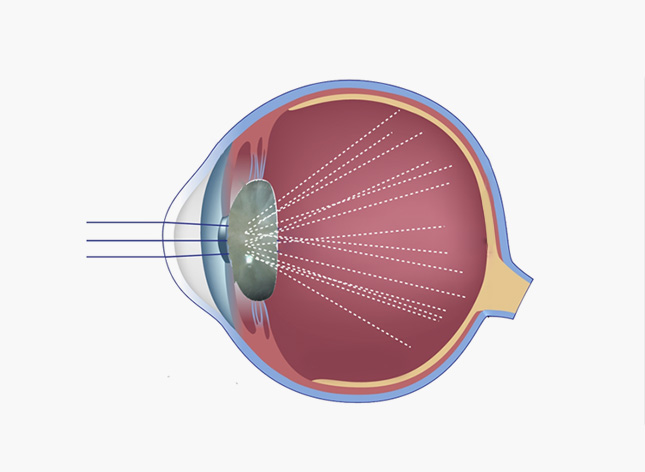
OCT measures the thickness of the retinal nerve fiber layer, the macula, and the cup-to-disc ratio of the optic nerve — the structures most often damaged early in glaucoma and retinal disease.
Software then compares your results against an age-matched normative database, flagging subtle thinning long before it would ever show up as a noticeable blind spot or blurred patch of vision.
Q. What conditions can an OCT scan detect?
OCT is used to diagnose and monitor glaucoma, dry and wet age-related macular degeneration, diabetic macular edema, epiretinal membranes, macular holes, and the retinal thinning or staphyloma changes that come with high myopia — all common reasons patients in Gasan and Gwanak are referred for imaging.

Q. What symptoms should prompt an urgent OCT scan?
- Sudden distortion of straight lines (metamorphopsia)
- Sudden loss of central vision
- New, significant floaters or flashes together with a curtain-like shadow in your vision
- Rapidly worsening peripheral (side) vision
Q. When should I see a doctor in Seoul for an OCT scan?
An annual OCT is generally recommended for adults over 40, and earlier or more often if you have diabetes, high myopia, a family history of glaucoma, or any of the warning symptoms above. Same-day OCT imaging is available for patients across Yeongdeungpo, Guro, Gasan, and Gwanak without a long wait.
Who Should Get Screened
- Adults 40 and older
- People with diabetes
- High myopes (over -6.00D)
- Family history of glaucoma
What to Expect
- Under 5 minutes total
- No needles or anesthetic
- Dilation often optional
- Images reviewed immediately
Follow-up Timeline
- Annual: healthy adults 40+
- Every 6 months: glaucoma suspects
- Every 3–4 months: active AMD or diabetic macular edema treatment
“OCT has changed how early we catch glaucoma and macular disease. In my clinic in Yeongdeungpo, patients from Guro and Gasan are often surprised that a scan taking under a minute can reveal nerve damage years before they would ever notice a blind spot themselves.” — Dr. Daniel Baik, board-certified ophthalmologist

❓ Frequently Asked Questions
Q. Does an OCT scan hurt?
No. OCT is completely painless, requires no anesthetic eye drops, and in most cases you don’t need to be dilated beforehand.
Q. How long does the scan take?
Each eye takes under a minute to capture. Including image review with your doctor, the full visit is usually about 10 to 15 minutes.
Q. Is OCT covered by Korean National Health Insurance?
Coverage depends on the clinical indication. A scan ordered to investigate a specific symptom or confirm a diagnosis is often covered, while routine screening in an asymptomatic patient may be self-pay — ask our staff to check your specific case.
Q. How often should I get an OCT scan?
Annually after age 40 for general screening, every 6 months if you are a glaucoma suspect or patient, and more frequently during active treatment for wet macular degeneration or diabetic macular edema.
Q. Can OCT replace a visual field test?
No. OCT measures structure while visual field testing measures function — ophthalmologists typically use both together for accurate glaucoma diagnosis and monitoring.
Q. Is high myopia a reason to get an OCT scan?
Yes. High myopia raises the risk of retinal thinning, staphyloma, and glaucoma, so OCT monitoring is often recommended even for patients in their 20s and 30s.
Q. Where can I get an OCT scan in Seoul?
Nunehim Eye Center in Yeongdeungpo offers same-day OCT imaging with Korean and English consultations, serving patients from Guro, Gasan, and Gwanak.

Book a Consultation
Ready for an OCT scan or a comprehensive eye exam? Nunehim Eye Center offers Korean & English consultations in Yeongdeungpo.
Or visit nunehim.com
📍 Visit Nunehim Eye Center — Guro, Seoul
Convenient access from Guro, Gasan, Gwanak & Dongjak. Near Guro Digital Complex Station (Line 2).
Address: 551 Siheung-daero, Guro-gu, Seoul / nunehim.com
Hours: Mon–Fri 09:00–18:30 (lunch 13:00–14:00), Sat 09:00–14:00
Languages: Korean & English


Leave a comment