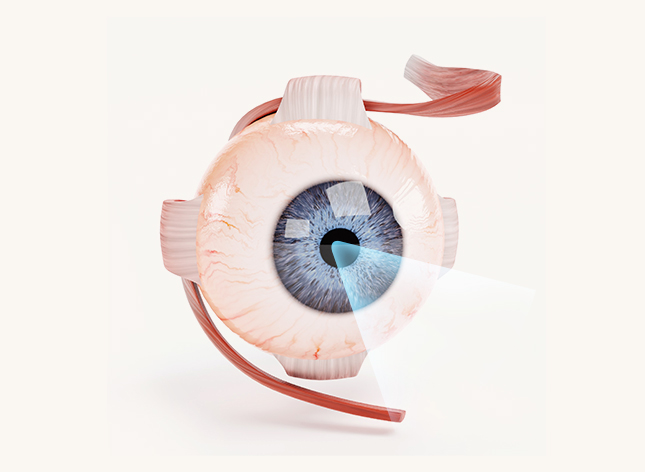
Sports Eye Safety: Protecting Your Vision During Exercise in Seoul
A board-certified ophthalmologist’s guide for athletes in Yeongdeungpo, Guro, Gasan & Gwanak
Q. What is sports eye safety, in one sentence?
Sports eye safety means wearing certified, sport-specific protective eyewear — polycarbonate goggles or wraparound shields — every time you play a ball, racquet, or contact sport, because most sports-related eye injuries are preventable with the right gear.
Q. What is sports eye safety and why does it matter in Seoul?
Badminton, tennis, basketball, cycling along the Hangang, and after-work racquetball are hugely popular across Seoul, and gyms in Yeongdeungpo, Guro, and Gasan are packed every evening with office workers playing a quick match before heading home. The problem is that a shuttlecock, squash ball, or elbow fits almost perfectly into the human eye socket, which makes racquet and ball sports some of the leading causes of preventable eye trauma in adults. Sports eye safety simply means treating protective eyewear as standard equipment — the same way you would not play soccer without cleats.
Q. What are the warning signs of a sports-related eye injury?
- Sudden eye pain or pressure immediately after impact
- Blurred or reduced vision in one eye
- Visible blood in the white or colored part of the eye (a hyphema)
- Light sensitivity or persistent tearing
- A sensation of a curtain, shadow, or flashing lights across your vision
Sports Eye Injuries: What We See in Korean Clinics
- ▸ Sports and leisure activities are a recurring cause of eye-related emergency visits at Seoul hospitals every year
- ▸ Badminton and racquet sports are among the most common causes of blunt eye trauma among Korean adults in their 20s–40s
- ▸ Because near-100% of Korean students and young adults wear glasses or contact lenses, shattered spectacle lenses are a frequent contributor to sports eye injuries
- ▸ Children and adolescents make up a disproportionate share of sports eye injuries treated at clinics across Yeongdeungpo and Guro
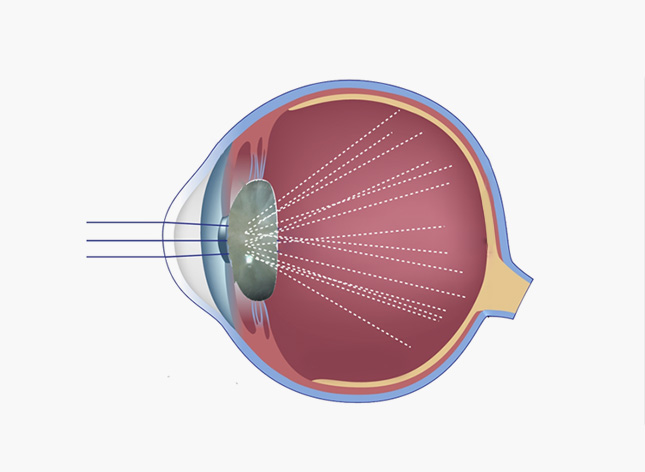
Q. What protective eyewear actually works?
Polycarbonate lenses are roughly ten times more impact-resistant than standard plastic and are the material used in genuine sports goggles rated for badminton, racquetball, squash, and basketball.
Swimmers need well-fitted swim goggles to prevent chlorine-related dry eye and keratitis, while cyclists on the Hangang riverside paths benefit from wraparound sunglasses that block UV exposure and flying debris.
Q. Which sports carry the highest eye injury risk?
Badminton shuttlecocks travel at extremely high speeds and match the eye socket almost exactly, while racquetball and squash balls are small enough to strike the eye directly. Basketball, soccer, and cycling falls round out the most common causes we see in patients from Guro, Gasan, and Gwanak.
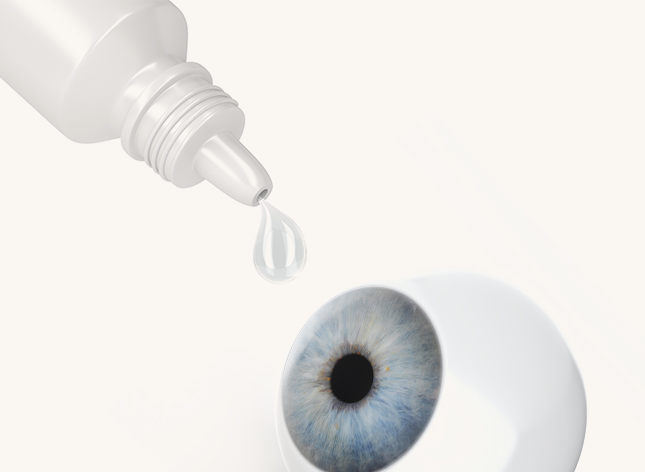
Q. What should I do immediately after an eye injury?
- Do not rub or press on the injured eye
- Do not attempt to remove an object that is stuck in the eye
- Apply a rigid shield rather than a soft pad if one is available, and seek care the same day
- Avoid aspirin or ibuprofen if bleeding inside the eye is suspected — acetaminophen is safer
- Come in immediately for any vision change, severe pain, or visible bleeding
Q. When should I see a doctor in Seoul?
Seek same-day evaluation if your vision drops, pain lasts longer than an hour, you notice visible blood in the eye, your pupils look unequal in size, or you play sports several times a week in Yeongdeungpo, Guro, or Gasan without ever having had a baseline eye exam.
Types of Injuries
- Corneal abrasion
- Blunt orbital trauma
- Hyphema (bleeding)
- Retinal detachment
Immediate Care
- Use a rigid shield
- Never rub the eye
- Get a same-day exam
- Avoid blood-thinning painkillers
Recovery Timeline
- Corneal abrasion: 1–3 days
- Hyphema: 1–2 weeks monitoring
- Orbital fracture: 6–8 weeks
- Retinal injury: varies, sometimes urgent surgery
“As a board-certified ophthalmologist practicing in Yeongdeungpo, I see a steady stream of badminton and racquetball injuries from the gyms around Guro and Gasan every month. Most are preventable — a properly rated pair of polycarbonate goggles is far cheaper than a torn retina. If you already wear glasses to play, that is often the highest-risk setup of all.” — Dr. Daniel Baik, board-certified ophthalmologist
❓ Frequently Asked Questions
Q. Do I really need sports goggles if I already wear prescription glasses?
Yes — regular eyeglass lenses can shatter on impact and cause worse injury than no glasses at all. Prescription sports goggles with polycarbonate lenses are the safer choice for badminton, racquetball, and basketball.
Q. Can contact lenses protect my eyes during sports?
Contact lenses correct vision but provide no impact protection at all. Wear wraparound sports goggles over your contacts for full protection during play.
Q. What sports have the highest eye injury rates in Korea?
Badminton, racquetball, squash, and basketball are among the most frequently seen at Seoul eye clinics, largely because the ball or shuttlecock matches the size of the eye socket.
Q. Is a black eye ever a medical emergency?
A black eye, or periorbital bruising, often resolves on its own, but if it comes with blurred vision, double vision, or trouble moving the eye fully, it needs urgent evaluation to rule out an orbital fracture.
Q. How soon after an eye injury should I be seen?
Same day for any vision change, visible bleeding, or pain lasting more than an hour. Even a seemingly minor injury can hide a retinal tear that worsens without treatment.
Q. Are swim goggles necessary for eye health?
Yes. Pool chlorine and chloramines can cause keratitis and persistent dry, red eyes with repeated unprotected exposure — a well-fitted pair of swim goggles prevents this.
Q. Where can I get sports eye protection fitted in Seoul?
Nunehim Eye Center in Yeongdeungpo, near Guro, offers eye exams and can guide you toward properly fitted, prescription-ready sports eyewear for badminton, racquetball, cycling, and swimming.

Book a Consultation
Ready for a proper sports eyewear fitting or a baseline eye exam? Nunehim Eye Center offers Korean & English consultations in Yeongdeungpo.
Or visit nunehim.com
📍 Visit Nunehim Eye Center — Guro, Seoul
Convenient access from Guro, Gasan, Gwanak & Dongjak. Near Guro Digital Complex Station (Line 2).
Address: 551 Siheung-daero, Guro-gu, Seoul / nunehim.com
Hours: Mon–Fri 09:00–18:30 (lunch 13:00–14:00), Sat 09:00–14:00
Languages: Korean & English


Leave a comment