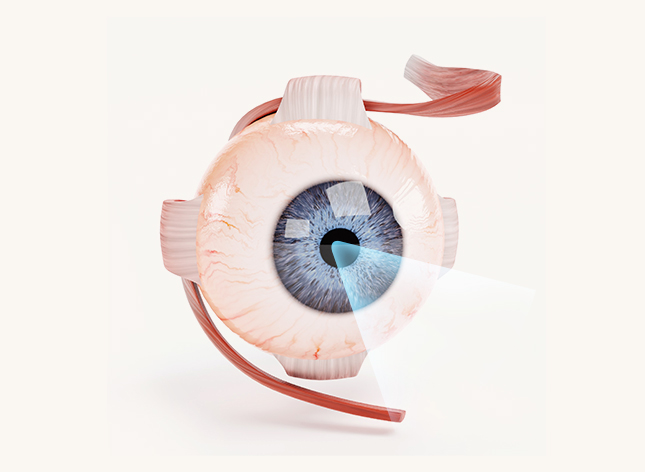
Can Screens Really Damage Your Eyes? Digital Eye Strain Facts
A board-certified ophthalmologist explains what screen time really does to your eyes — for expats and office workers across Yeongdeungpo, Guro, and Gasan, Seoul.
Q. Can screens really damage your eyes?
Screens themselves do not cause permanent eye damage. What they do cause, very commonly, is digital eye strain (also called computer vision syndrome) — dryness, blurred vision, headaches, and fatigue from prolonged near-focus work. With Seoul office workers now averaging more than nine hours of daily screen exposure, managing digital eye strain has become an essential part of everyday eye health.
Q. What is digital eye strain?
Digital eye strain is a collection of symptoms that occur after prolonged screen use — not a diagnosis of permanent screen damage to the eyes. It develops because we blink far less often while focused on a screen (studies show blink rates can drop by more than half), which dries out the tear film. The eyes also work harder to maintain focus at a fixed near distance for extended periods, and glare or poor contrast on a screen adds further strain to the visual system.
Q. What are the symptoms of digital eye strain?
- Dry, gritty, or burning sensation in the eyes
- Blurred or fluctuating vision, especially by late afternoon
- Headaches, particularly around the forehead and temples
- Neck and shoulder tension from poor screen posture
- Temporary difficulty focusing at distance after close screen work
Screen Time & Eye Health in Korea
- ▸ Korea has one of the highest myopia rates in the world — studies show over 96% of young Korean adults are nearsighted
- ▸ Seoul office workers average more than 9 hours of daily screen exposure across computers and smartphones combined
- ▸ Dry eye disease diagnoses among Korean adults in their 20s–40s have risen sharply, closely tracking increased screen use
- ▸ Clinics near Guro Digital Complex report a marked rise in digital eye strain visits, particularly from IT and office workers
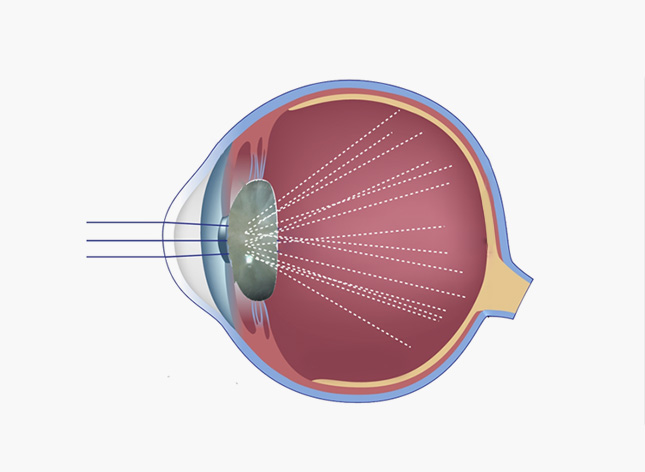
Q. How can I manage digital eye strain?
The 20-20-20 rule remains the most effective daily habit: every 20 minutes, look at something about 20 feet away for at least 20 seconds. Combine this with conscious, full blinking, positioning your monitor slightly below eye level, and using preservative-free artificial tears if dryness persists.
Reducing glare by matching screen brightness to your surrounding light, increasing text size, and taking a real break from all screens every hour can meaningfully reduce end-of-day fatigue for patients across Yeongdeungpo and Gasan office environments.
Q. Does my workspace setup matter?
Yes. Low humidity from office air conditioning, overhead glare, and screens positioned too close all worsen digital eye strain. Keeping monitors roughly an arm’s length away, using a humidifier in dry winter months, and enabling night-mode color settings in the evening are simple adjustments that reduce cumulative strain for screen-heavy jobs common in Gwanak and Guro.
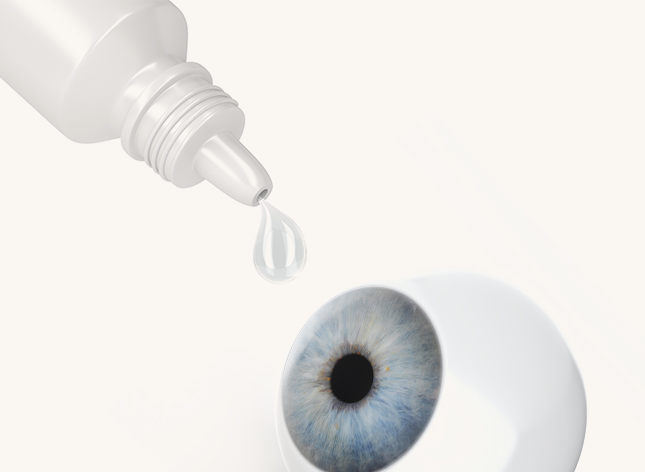
Q. When does eye strain signal something more serious?
- Sudden vision changes or new floaters
- Persistent eye pain that does not improve with rest
- Halos or glare around lights at night
- Redness that does not resolve after reducing screen time
These symptoms can indicate progressing dry eye disease or, rarely, a retinal issue, and warrant a prompt evaluation with an ophthalmologist rather than continued self-management.
Mild
Occasional dryness or tiredness by evening. Manage with the 20-20-20 rule and artificial tears.
Moderate
Daily dryness, blurred vision, headaches. Warrants an eye exam and workspace adjustments.
Severe
Persistent pain, vision changes, or halos. See a board-certified ophthalmologist promptly.
“In my clinic, I see a steady stream of office workers from Yeongdeungpo, Guro, and Gasan with the same story — long screen hours, dry and tired eyes by afternoon. The good news is that digital eye strain responds very well to simple, consistent habits, and a proper eye exam can rule out anything more serious.”
— Dr. Daniel Baik, Board-Certified Ophthalmologist, Nunehim Eye Center
❓ Frequently Asked Questions
Q. Does blue light from screens permanently damage the retina?
No credible clinical evidence shows that everyday screen use permanently damages the retina. Concerns about blue light causing retinal harm come mostly from laboratory studies using light intensities far beyond what phones or monitors emit. The real, well-documented effect of screens is digital eye strain — dryness, fatigue, and temporary blurred vision — not structural retinal damage.
Q. How often should I take breaks from my screen?
Ophthalmologists generally recommend the 20-20-20 rule: every 20 minutes, look at something roughly 20 feet (6 meters) away for at least 20 seconds. This relaxes the focusing muscles inside the eye and encourages a normal blink rate, which drops significantly during screen use.
Q. Can digital eye strain cause myopia progression in children?
Digital eye strain itself is usually temporary, but prolonged near-work time, including screens, is one of several factors associated with myopia progression in children. Korea already has one of the highest childhood myopia rates worldwide, so pediatric patients in Yeongdeungpo and Guro who spend long hours on tablets or computers should have regular eye exams to monitor for progression.
Q. Are blue light glasses worth buying?
Clinical evidence for blue light glasses reducing eye strain is mixed and generally weak. What consistently helps is reducing screen glare, increasing text size, adjusting screen brightness to match the room, and taking regular breaks. Blue light glasses may modestly help with sleep quality if used in the evening, but they are not a substitute for good screen habits.
Q. Why do my eyes feel dry after using contact lenses and screens together?
Combining contact lens wear with extended screen time compounds dryness, since both reduce the tear film stability and blink rate drops further during concentrated screen tasks. Patients who wear contacts for long office hours in Gasan or Gwanak often benefit from preservative-free artificial tears and scheduled blinking breaks.
Q. Should I get an eye exam if I work in IT in Gasan Digital Complex?
Yes. Office workers in high screen-time industries, including the many IT professionals commuting through Gasan and Guro Digital Complex, should have a comprehensive eye exam at least once a year, since early dry eye disease and refractive changes are easy to manage when caught early but harder to treat once symptoms become chronic.
Q. Is TransPRK or LASEK a solution for screen-related eye strain?
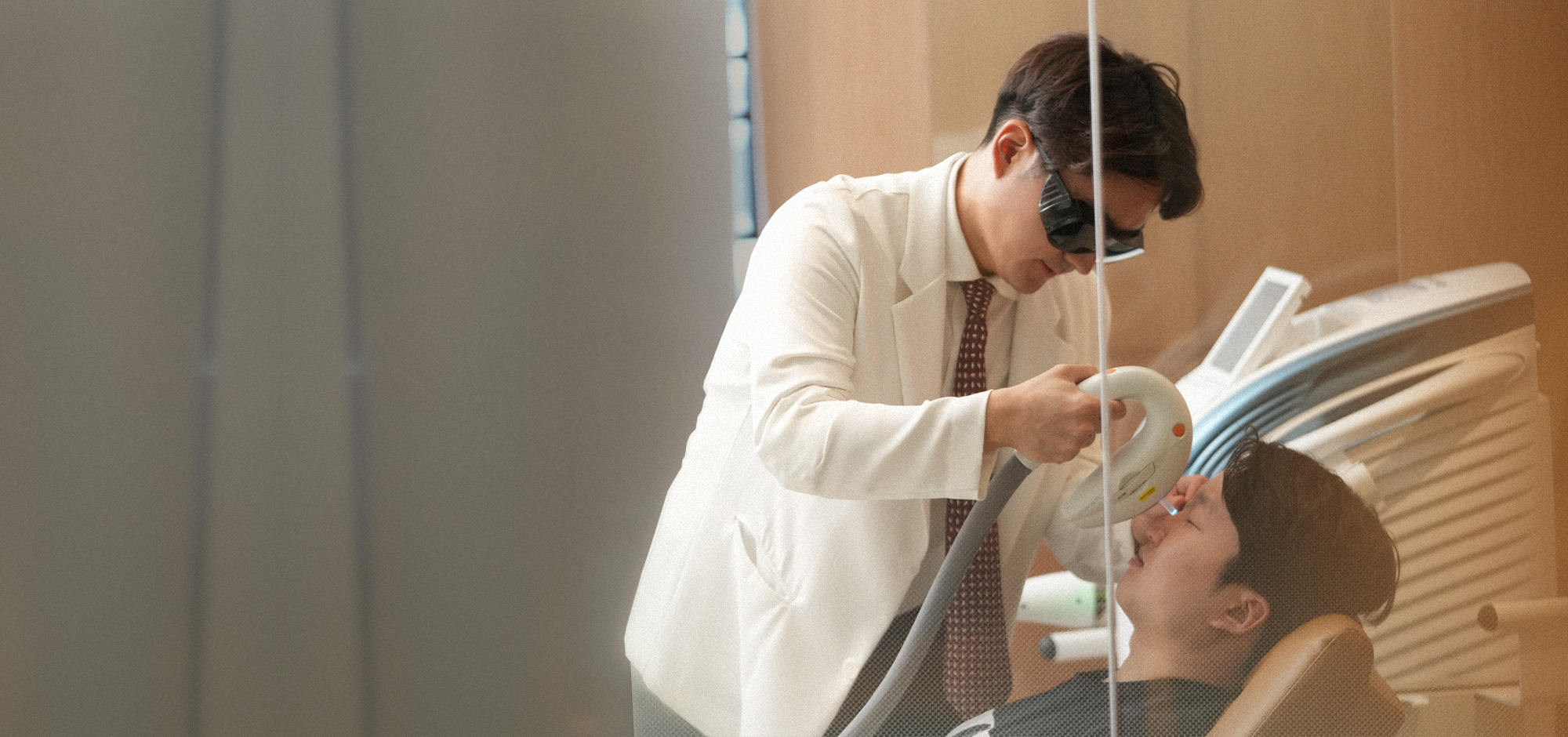
Vision correction procedures like TransPRK or 2-Day LASEK address refractive errors such as myopia or astigmatism, not digital eye strain directly. However, uncorrected refractive error makes screen work more tiring because the eyes must work harder to focus, so correcting vision can meaningfully reduce strain for appropriate candidates. A consultation with a board-certified ophthalmologist is the best way to determine candidacy.

Book a Consultation
Experiencing persistent digital eye strain or dryness? Schedule a consultation with Dr. Daniel Baik at Nunehim Eye Center.
nunehim.com
📍 Visit Nunehim Eye Center — Guro, Seoul
Convenient access from Guro, Gasan, Gwanak & Dongjak. Near Guro Digital Complex Station (Line 2).
Address
551 Siheung-daero, Guro-gu, Seoul
nunehim.com
Hours
Mon–Fri 09:00–18:30 (lunch 13:00–14:00)
Sat 09:00–14:00
Languages
Korean & English


Leave a comment