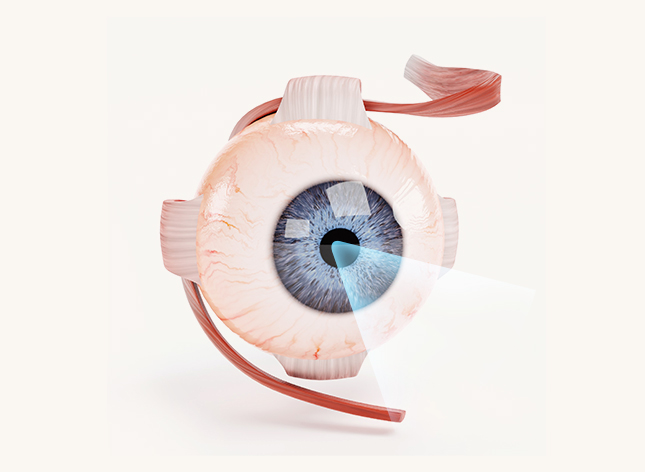
Retinal Tear vs Retinal Detachment: Key Differences to Know
A board-certified ophthalmologist explains the warning signs and treatment differences — for patients across Yeongdeungpo, Guro, and Gasan, Seoul.
Q. What is the difference between a retinal tear and a retinal detachment?
A retinal tear is a small break in the retina’s surface, while a retinal detachment occurs when the retina pulls away entirely from the back wall of the eye. A tear can often be sealed with a quick in-office laser procedure, while a detachment is a sight-threatening emergency that usually requires surgery.
Q. What is a retinal tear?
A retinal tear happens when the vitreous gel inside the eye, which naturally shrinks and separates with age, pulls hard enough on the retina to create a break. This is often accompanied by new flashes of light and a sudden increase in floaters. On its own, a tear does not cause vision loss, but it creates a pathway for fluid to seep underneath the retina.
Q. What is retinal detachment?
Retinal detachment occurs when fluid passes through a retinal tear and separates the retina from the underlying tissue that supplies it with blood and nutrients. Once detached, that portion of the retina stops functioning properly, and vision loss can become permanent if surgery is delayed.
Retinal Risk Factors in Korea
- ▸ Korea has one of the highest myopia rates in the world, a major risk factor for retinal tears and detachment
- ▸ Posterior vitreous detachment, which can trigger a tear, becomes common after age 50 but occurs earlier in high myopes
- ▸ Retinal detachment affects roughly 1 in 10,000 people per year, with substantially higher rates among highly nearsighted patients
- ▸ Patients across Yeongdeungpo, Guro, and Gasan with high myopia are advised to have annual dilated retinal exams
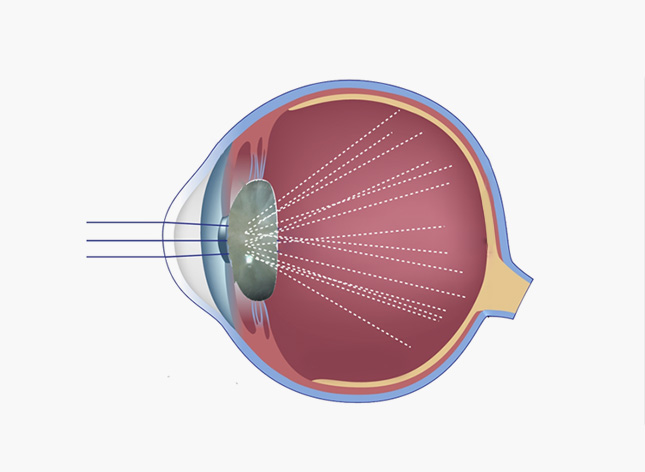
Q. What causes a retinal tear or detachment?
The most common cause is posterior vitreous detachment, a normal age-related change where the gel inside the eye separates from the retina. Other major risk factors include high myopia, previous eye surgery (including cataract surgery), blunt eye trauma, and a family history of retinal detachment.
Patients who have had TransPRK or other vision correction should still attend routine retinal checks, since refractive surgery corrects focusing power but does not change the underlying risk from high myopia.
Q. How are retinal tears and detachments treated?
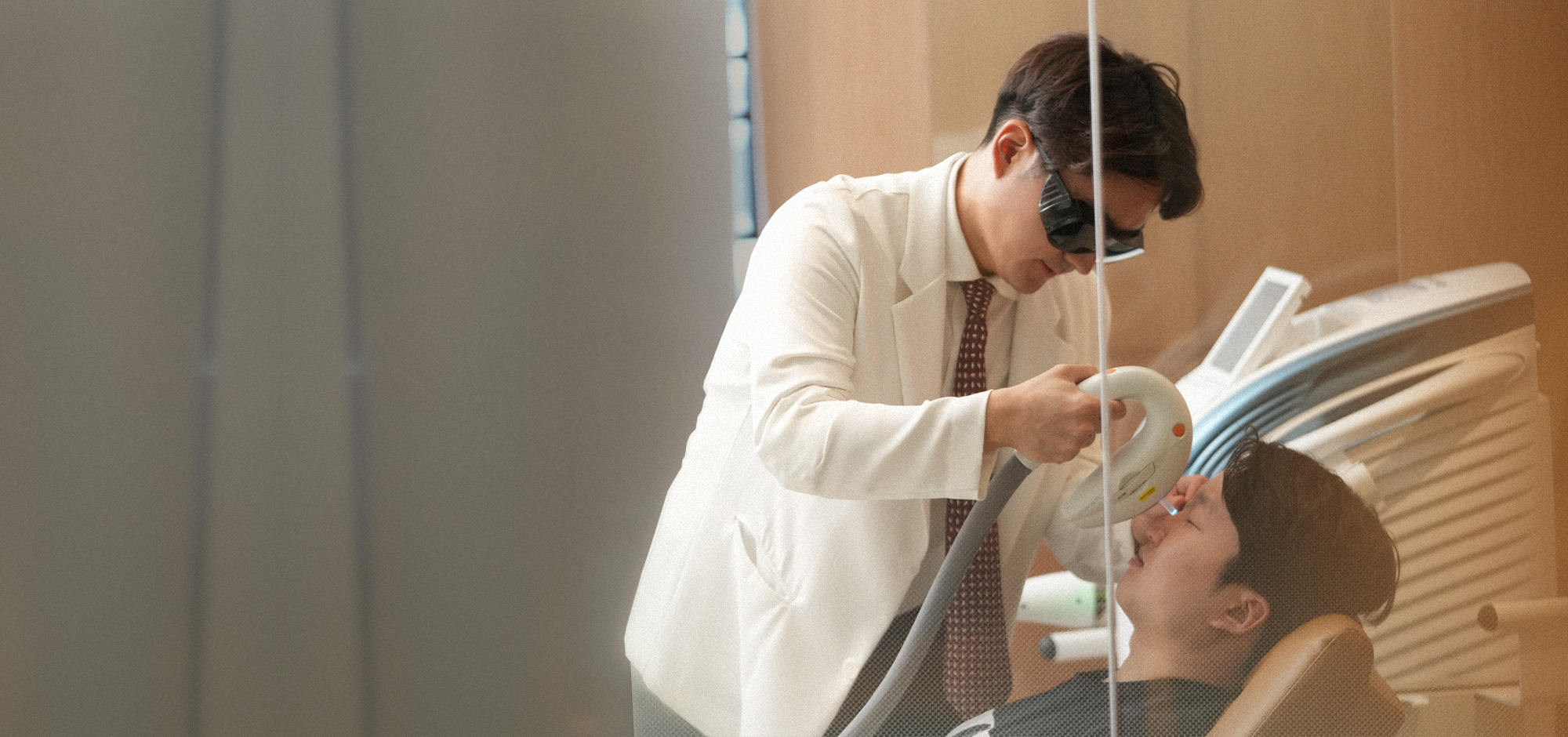
Retinal tears are typically sealed in-office with laser photocoagulation or cryotherapy, both quick outpatient procedures. Retinal detachment requires surgery — commonly pneumatic retinopexy, scleral buckle, or vitrectomy — with the approach chosen based on the location and extent of the detachment.

Q. What are the emergency warning signs?
- Sudden increase in floaters or a shower of new spots
- New flashes of light, especially in peripheral vision
- A dark curtain or shadow spreading across your vision
- Sudden, painless decrease in vision
Any of these symptoms warrant immediate evaluation — retinal detachment is a true eye emergency where delayed treatment can mean permanent vision loss.
Warning Signs
New floaters or flashes. Schedule a dilated eye exam within days.
Retinal Tear
Confirmed tear without detachment. Treat with in-office laser urgently.
Retinal Detachment
Vision loss or curtain effect. Seek emergency surgical care immediately.
“Because Korea has such high rates of myopia, I see retinal tears and detachments regularly among patients from Yeongdeungpo, Guro, and Gasan. The single most important thing I tell every high myope is: never ignore new floaters or flashes — same-day evaluation can be the difference between a simple laser treatment and major surgery.”
— Dr. Daniel Baik, Board-Certified Ophthalmologist, Nunehim Eye Center
❓ Frequently Asked Questions
Q. Are floaters and flashes always a sign of retinal problems?
Not always — occasional floaters are common and often harmless, especially as the vitreous gel naturally changes with age. However, a sudden increase in floaters, new flashes of light, or a shower of tiny black spots should always be evaluated promptly, since these can be the first signs of a retinal tear before detachment occurs.
Q. Am I at higher risk because I have high myopia?
Yes. High myopia is one of the strongest risk factors for retinal tears and detachment, because a longer eyeball stretches and thins the retina. Korea has one of the highest rates of myopia in the world, which is why regular dilated retinal exams are especially important for nearsighted patients in Seoul.
Q. Is retinal detachment surgery painful or does it require hospitalization?
Most retinal detachment repairs (vitrectomy, scleral buckle, or pneumatic retinopexy) are done under local or light general anesthesia and are not significantly painful afterward, though some soreness and light sensitivity are normal. Some techniques are outpatient, while others may involve a short hospital stay depending on the case.
Q. Can a retinal tear heal without treatment?
A retinal tear will not reliably heal on its own and carries an ongoing risk of progressing to full retinal detachment if left untreated. Fortunately, most tears can be sealed in-office with laser photocoagulation or cryotherapy, a quick procedure that significantly reduces the risk of detachment.
Q. How urgent is treatment for a retinal tear?
Retinal tears should be treated promptly, typically within days of diagnosis, since fluid can seep through the tear and begin separating the retina at any time. If you notice new flashes or floaters, same-day or next-day evaluation is strongly recommended.
Q. Can retinal detachment be prevented?
There is no guaranteed way to prevent retinal detachment, but regular dilated eye exams — especially for high myopes, patients over 50, and anyone with a family history — allow tears to be caught and treated before they progress. Protective eyewear during sports and prompt evaluation of any eye trauma also reduce risk.
Q. Should Seoul residents with high myopia get regular retinal exams?
Yes. Given Korea’s high rate of myopia, patients across Yeongdeungpo, Guro, and Gasan with significant nearsightedness should have a dilated retinal exam at least annually, or sooner if new floaters, flashes, or a shadow in the vision develop.

Book a Consultation
New floaters, flashes, or vision changes? Don’t wait — schedule a retinal evaluation with Dr. Daniel Baik at Nunehim Eye Center.
nunehim.com
📍 Visit Nunehim Eye Center — Guro, Seoul
Convenient access from Guro, Gasan, Gwanak & Dongjak. Near Guro Digital Complex Station (Line 2).
Address
551 Siheung-daero, Guro-gu, Seoul
nunehim.com
Hours
Mon–Fri 09:00–18:30 (lunch 13:00–14:00)
Sat 09:00–14:00
Languages
Korean & English


Leave a comment