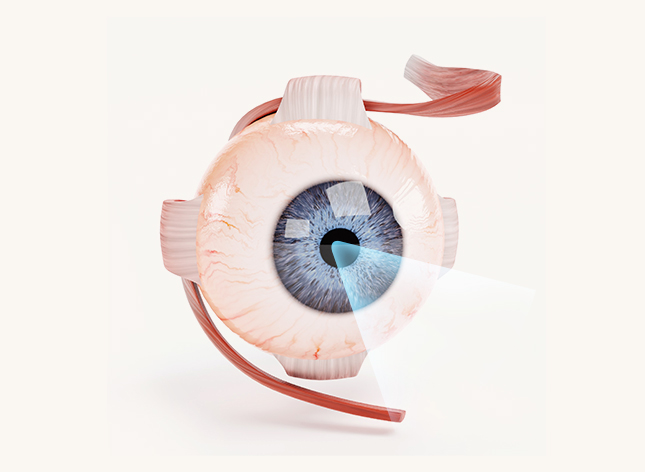
Eye Allergies in Spring Seoul: Pollen, Dust & Relief
Board-certified ophthalmology care for itchy, red, watery eyes — serving Yeongdeungpo, Guro, Gasan & Gwanak
Q. What causes spring eye allergies in Seoul?
Spring eye allergies in Seoul are triggered mainly by tree pollen (oak, birch, and pine), yellow dust (hwangsa) blowing in from northern China and Mongolia, and fine particulate matter, which together irritate the conjunctiva and cause itching, redness, and watering in residents across Yeongdeungpo, Guro, Gasan, and Gwanak.
Q. What is allergic conjunctivitis?
Allergic conjunctivitis is an inflammation of the thin, clear membrane covering the white of the eye and inner eyelids, caused by an immune reaction to airborne allergens. When pollen or dust particles land on the eye surface, the body releases histamine, leading to itching, redness, swelling, and tearing. In Seoul, the condition becomes especially common from late March through May, and again during yellow dust advisories.
Q. What are the symptoms and signs?
- Intense itching in both eyes
- Redness of the white of the eye and inner eyelids
- Watery or stringy, clear discharge
- Swollen, puffy eyelids
- Burning or gritty sensation
- Mild sensitivity to light
Allergy Season in Numbers
▸ Nearly 1 in 5 people in Korea report allergic conjunctivitis symptoms each spring
▸ Tree pollen counts in the Seoul metropolitan area typically peak between late March and May
▸ Yellow dust (hwangsa) advisory days are linked to notable increases in eye clinic visits across Guro and Yeongdeungpo
▸ Antihistamine eye drops relieve symptoms in the large majority of allergic conjunctivitis patients within about a week
Q. How is allergic conjunctivitis treated?
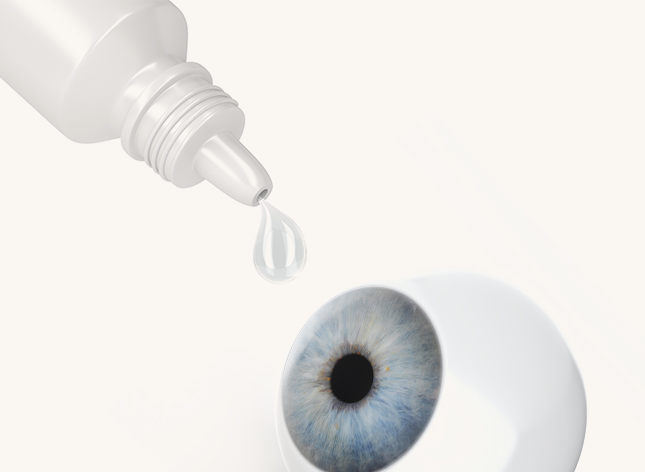
First-line treatment includes cold compresses, preservative-free artificial tears to rinse allergens away, and antihistamine or mast-cell-stabilizing eye drops. Avoiding eye rubbing is essential, since rubbing releases more histamine and can worsen swelling.
For patients in Gasan and Gwanak with more persistent symptoms, a short course of prescription anti-inflammatory drops may be added under a doctor’s supervision, along with guidance on reducing outdoor exposure on high-pollen or yellow dust days.
Q. Can allergies be confused with dry eye or infection?
Yes. Allergic conjunctivitis, dry eye disease, and viral or bacterial conjunctivitis can all cause redness and irritation, but they require different treatments. Allergies typically affect both eyes with itching as the dominant symptom, while infections often start in one eye with thicker discharge. A proper eye exam is the most reliable way to tell them apart, which is why patients across Yeongdeungpo and Guro are encouraged to get an accurate diagnosis before self-treating.
Q. When is it more than allergies?
- Severe pain rather than itching
- Sudden vision changes or blurring
- Thick, yellow, or green discharge
- Symptoms in only one eye
- No improvement after a week of self-care — please visit Nunehim Eye Center in Guro or Yeongdeungpo
Mild
Occasional itching and mild redness. Managed with artificial tears and avoiding triggers.
Moderate
Daily symptoms affecting comfort. Antihistamine drops and cold compresses typically help.
Severe
Persistent swelling or pain affecting vision. Needs an in-person evaluation and prescription treatment.
A Note From Dr. Daniel Baik
“Every spring I see patients from Yeongdeungpo, Guro, Gasan, and Gwanak who assume itchy eyes are just something to live with. In most cases, targeted drops and a few habit changes bring real relief within days. If your eyes stay red or uncomfortable longer than a week, it is worth a proper exam rather than guessing.”
❓ Frequently Asked Questions
Q. Can I wear contact lenses during allergy season?
It is best to switch to glasses when your eyes are itchy, red, or watery. Contact lenses trap pollen and allergens against the eye surface and can worsen irritation. If you must wear lenses, use daily disposables and avoid rubbing your eyes.
Q. Are allergy eye drops safe for long-term use?
Preservative-free artificial tears and antihistamine drops are generally safe for daily use through allergy season. However, decongestant drops that whiten the eyes should only be used short-term, since overuse can cause rebound redness. Ask your ophthalmologist in Guro or Yeongdeungpo which drop fits your case.
Q. Does yellow dust make allergies worse than regular pollen?
Yes. Yellow dust (hwangsa) carries fine particulate matter and heavy metals from outside Korea, which irritates the conjunctiva more aggressively than pollen alone. Combined pollen and yellow dust days tend to bring the highest number of allergy-related clinic visits in Seoul.
Q. Can children get eye allergies too?
Yes, children are commonly affected, especially those who already have allergic rhinitis or atopic dermatitis. Watch for excessive eye rubbing, puffy eyelids, and complaints of itching, and bring your child in if symptoms disrupt sleep or school.
Q. Should I use over-the-counter drops or see a doctor?
Mild, occasional itching often responds to over-the-counter artificial tears or antihistamine drops. If symptoms last more than a week, keep returning each spring, or affect your vision, a proper eye exam at a clinic in Yeongdeungpo or Guro is recommended to rule out other conditions.
Q. How long does allergy season last in Seoul?
Tree pollen typically peaks from late March through May, with a second, milder wave from weeds and yellow dust events continuing into early summer. Many patients in the Gasan and Gwanak areas notice symptoms flaring on high pollen count or yellow dust advisory days.
Q. Can eye allergies cause permanent damage?
Simple allergic conjunctivitis rarely causes lasting damage. However, chronic eye rubbing can thin the cornea over time in susceptible individuals, and untreated severe allergic disease can occasionally affect the cornea. This is why persistent or severe cases should be evaluated rather than self-managed indefinitely.

Book a Consultation
Relieve your spring eye allergy symptoms with a proper diagnosis from a board-certified ophthalmologist in Guro, Seoul.
nunehim.com
📍 Visit Nunehim Eye Center — Guro, Seoul
Convenient access from Guro, Gasan, Gwanak & Dongjak. Near Guro Digital Complex Station (Line 2).
Address: 551 Siheung-daero, Guro-gu, Seoul
nunehim.com
Hours: Mon–Fri 09:00–18:30 (lunch 13–14)
Sat 09:00–14:00
Languages: Korean & English


Leave a comment