Why Children in Korea Have High Myopia Rates
A board-certified ophthalmologist explains the causes, and what parents in Seoul can do
Q. Why do children in Korea have such high myopia rates?
Korea has one of the highest childhood myopia rates in the world – large-scale studies of Seoul-area students and conscripts have found myopia prevalence exceeding 90% among older teens. The main drivers are intense near-work from studying, very limited outdoor time, urban living, and genetics. Early screening and daily outdoor time are the most effective ways parents in Yeongdeungpo, Guro, and Gasan can protect their child’s vision.
Q. What is childhood myopia and why is Korea’s rate so high?
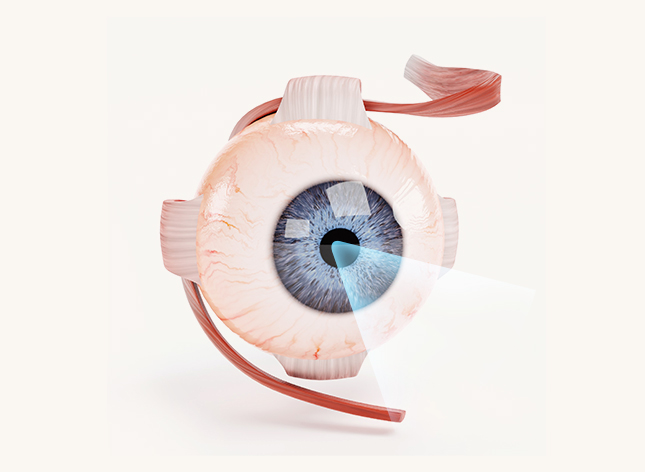
Myopia, or nearsightedness, occurs when the eyeball grows slightly too long, causing distant objects to appear blurry while close-up vision stays clear. In Korea, the combination of long study hours, after-school academies (hagwon), heavy smartphone and tablet use, and comparatively little time outdoors has created conditions that accelerate myopia onset and progression in children far beyond global averages. Seoul, along with other dense East Asian cities, consistently ranks among the regions with the highest reported childhood myopia prevalence.
Korea Myopia — Key Statistics
- ▸ Large Korean cohort studies of late-teen conscripts have reported myopia prevalence above 90%, among the highest documented worldwide.
- ▸ Myopia onset in Korean children commonly begins in early elementary school, years earlier than in many Western countries.
- ▸ High myopia (beyond -6.00D) is disproportionately common among Korean young adults, raising lifetime risk of retinal complications.
- ▸ Studies across East Asia associate roughly 2 hours of daily outdoor time with a meaningfully lower rate of new myopia onset in children.
Q. What can be done to manage a child’s myopia?
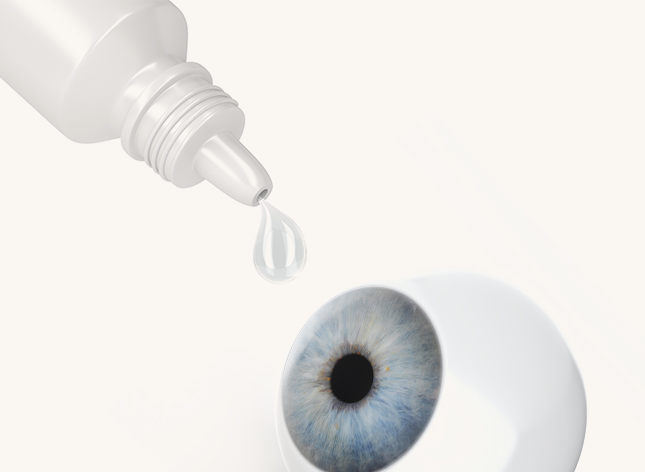
Modern myopia management goes beyond simply prescribing stronger glasses each year. Options used at clinics across Guro and Yeongdeungpo include low-dose atropine eye drops, orthokeratology (OK lens) worn overnight to reshape the cornea, specially designed myopia-control spectacle lenses, and structured increases in daily outdoor time.
The right combination depends on the child’s age, prescription, corneal shape, and family lifestyle, which is why regular monitoring visits matter as much as the initial diagnosis.
Q. Why does slowing myopia progression matter long-term?
Every diopter of myopia a child avoids in childhood lowers their lifetime risk of serious complications later, including retinal detachment, myopic macular degeneration, glaucoma, and early cataracts. Because Korean children often progress to high myopia by their late teens, pediatric ophthalmologists in Seoul increasingly treat myopia control as preventive eye care, not just a vision correction issue.
When to Bring Your Child in Sooner
- Squinting at the whiteboard or television, or sitting unusually close to screens
- Frequent headaches or eye rubbing after school or study sessions
- A rapid jump in prescription strength between routine exams
- Family history of high myopia in a parent or sibling
Mild Myopia
-0.25 to -3.00D. Usually managed with glasses and monitoring every 6-12 months.
Moderate Myopia
-3.00 to -6.00D. Myopia control (OK lens, atropine, or control lenses) is often recommended.
High Myopia
Beyond -6.00D. Requires closer retinal monitoring due to elevated long-term risk.
“In my clinic in Guro-gu, I see the same pattern every year: children who spend more time outdoors and take regular breaks from near-work tend to have slower myopia progression. Early screening, ideally before age 7, gives us the best chance to protect a child’s long-term vision. Parents from Yeongdeungpo, Gasan, and Gwanak often ask if myopia can be prevented entirely; the honest answer is that genetics play a role, but daily habits make a measurable difference.”
— Dr. Daniel Baik, Board-Certified Ophthalmologist, Nunehim Eye Center
❓ Frequently Asked Questions
Q. At what age should my child have their first eye exam in Korea?
Most pediatric ophthalmologists, including clinics in Guro and Yeongdeungpo, recommend a first formal eye exam around age 3, with annual checks starting at school entry (age 6-7). Because myopia often begins during early elementary school in Korea, catching it early in Guro or Gasan-based clinics gives the best chance to slow progression before it becomes high myopia.
Q. Can childhood myopia be cured or reversed?
No. Myopia is a structural change in eye length and cannot be reversed with glasses, drops, or lenses. What we can do is slow the rate of progression using tools like low-dose atropine, orthokeratology (OK lens), or specialty myopia-control spectacle lenses, so the child ends up with lower final myopia as an adult.
Q. Are OK lenses (orthokeratology) safe for children in Korea?
Orthokeratology lenses are widely used in Korea and can be safe and effective for slowing myopia progression when properly fitted and monitored. They require careful hygiene, regular follow-up visits, and are not right for every child. At our Guro-gu clinic, we assess corneal shape, age, and lifestyle before recommending OK lenses to any family from Yeongdeungpo, Gasan, or Gwanak.
Q. Does screen time cause myopia in Korean children?
Screen time itself is less of a direct cause than sustained near-work at close distance – reading, studying, and phone use for hours without breaks. Combined with Korea’s long study hours and limited outdoor time, this near-work pattern is considered a major contributor to the country’s high childhood myopia rates.
Q. How much outdoor time does my child need to lower myopia risk?
Research on East Asian children, including cohorts in Korea, suggests roughly 2 hours of outdoor time per day is associated with meaningfully lower rates of new myopia onset. Natural light exposure appears to be protective, independent of physical activity level, which is why we encourage outdoor breaks even for high-achieving students in Yeongdeungpo and Guro.
Q. What is high myopia and why does it matter long-term?
High myopia generally means a prescription beyond about -6.00 diopters. It raises lifetime risk of retinal detachment, myopic macular degeneration, glaucoma, and early cataracts. Given how common high myopia has become among Korean young adults, slowing progression in childhood is one of the most effective ways to protect long-term eye health.
Q. Where can English-speaking families in Seoul get pediatric eye exams?
Nunehim Eye Center in Guro-gu offers eye exams and myopia management consultations in both Korean and English, serving families across Yeongdeungpo, Guro, Gasan, and Gwanak. Dr. Daniel Baik, a board-certified ophthalmologist, is available for consultations that walk expat parents through diagnosis and treatment options in plain language.

Book a Consultation
Concerned about your child’s vision? Schedule a pediatric eye exam with Dr. Daniel Baik in Guro-gu, Seoul.
nunehim.com
📍 Visit Nunehim Eye Center — Guro, Seoul
Convenient access from Guro, Gasan, Gwanak & Dongjak. Near Guro Digital Complex Station (Line 2).
Address: 551 Siheung-daero, Guro-gu, Seoul
nunehim.com
Hours: Mon–Fri 09:00–18:30 (lunch 13–14)
Sat 09:00–14:00
Languages: Korean & English


Leave a comment