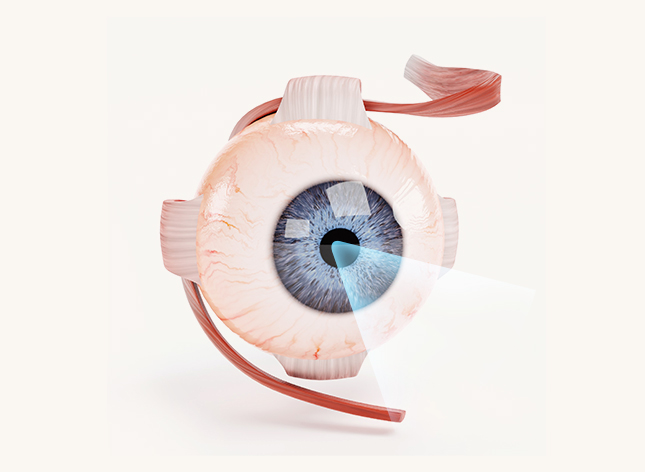
Glaucoma Screening: Who Needs It and How Often in Korea
Protecting your vision at Nunehim Eye Center, Guro-gu
Q. Who needs glaucoma screening?
Adults over 40, anyone with a family history of glaucoma, and people with high myopia, diabetes, or a prior eye injury should have a comprehensive glaucoma screening in Korea — including eye pressure measurement and optic nerve imaging — at least once every 1–2 years, since glaucoma often causes no early symptoms.
Q. What is glaucoma?
Glaucoma is a group of conditions that damage the optic nerve, most often related to elevated pressure inside the eye. It is sometimes called the “silent thief of sight” because it typically causes no pain and progresses by first narrowing peripheral vision, well before central vision is affected. Because damage from glaucoma is irreversible, glaucoma screening in Korea is the only reliable way to catch it before significant vision loss occurs.
Q. Who is at risk for glaucoma in Korea?
- Age 40 and older
- A family history of glaucoma
- High myopia (nearsightedness), which is extremely common among Korean adults
- Diabetes
- A thin cornea
- Previous eye trauma or long-term steroid use
Key Statistics
▸ Glaucoma prevalence among Korean adults over 40 is approximately 4.2%, according to national health survey data
▸ Nearly 9 in 10 people with glaucoma in Korea are unaware they have it until significant vision loss has occurred
▸ Korea has one of the highest reported rates of normal-tension glaucoma in the world, where optic nerve damage occurs even with normal eye pressure
▸ High myopia, very common among Korean adults, roughly doubles glaucoma risk
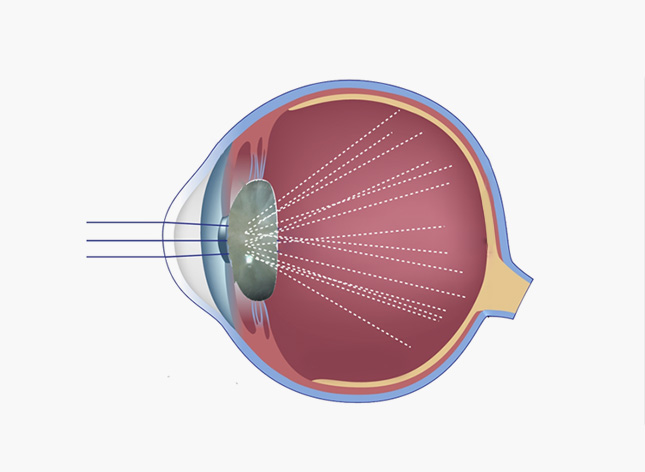
Q. How is glaucoma screened and diagnosed?
A comprehensive glaucoma screening starts with tonometry to measure intraocular pressure, followed by optic nerve imaging using OCT (optical coherence tomography) to detect early structural changes.
A visual field test maps out any blind spots in peripheral vision, and gonioscopy may be used to examine the eye’s drainage angle, especially when angle-closure glaucoma is a concern.
Q. How often should I be screened?
Adults aged 40 to 54 without other risk factors should have a comprehensive eye exam including glaucoma screening every two years. Those 55 and older should be screened annually.
Anyone in a high-risk group — family history of glaucoma, high myopia, or diabetes — should be screened annually regardless of age, and a dilated eye exam should be part of the comprehensive evaluation.
⚠ Signs That Warrant Immediate Evaluation
- Sudden eye pain with halos around lights and nausea (a possible acute angle-closure emergency)
- Sudden vision loss
- A family member recently diagnosed with glaucoma
- Noticing gaps or blind spots in your peripheral vision
Open-Angle Glaucoma
The most common type. Progresses gradually and painlessly, which is why regular screening is essential for early detection.
Angle-Closure Glaucoma
A sudden, sight-threatening emergency caused by blocked eye drainage. More common in hyperopic and Asian eyes, including many Korean patients.
Normal-Tension Glaucoma
Optic nerve damage occurs despite normal eye pressure. Notably prevalent among Korean patients and easily missed without OCT and visual field testing.
From Dr. Daniel Baik
Glaucoma screening is one of the most important things I recommend to patients in their 40s, because vision lost to glaucoma cannot be restored. At Nunehim Eye Center we combine pressure testing with optic nerve imaging, since normal-tension glaucoma — common among Koreans — can be missed by pressure checks alone. — Dr. Daniel Baik, board-certified ophthalmologist
❓ Frequently Asked Questions
Q. Can glaucoma be cured?
No, vision already lost to glaucoma is irreversible, but progression can be slowed or halted with early treatment such as eye drops, laser therapy, or surgery. This is why regular glaucoma screening in Korea is so important.
Q. Does normal eye pressure mean I don’t have glaucoma?
Not necessarily. Normal-tension glaucoma, where optic nerve damage occurs despite normal eye pressure, is notably common among Korean patients, so a full optic nerve and visual field evaluation is needed rather than pressure checks alone.
Q. Is glaucoma hereditary?
Yes. Having a parent or sibling with glaucoma significantly increases your risk, and first-degree relatives should begin screening earlier and be checked more frequently.
Q. Does high myopia increase glaucoma risk?
Yes. High myopia, which is very common in Korea, roughly doubles the risk of glaucoma and can also make screening more complex due to changes in optic nerve appearance.
Q. What does a glaucoma screening involve?
A comprehensive screening includes eye pressure measurement (tonometry), optic nerve imaging (OCT), a visual field test, and sometimes gonioscopy to examine the eye’s drainage angle.
Q. Is glaucoma screening covered by Korean national health insurance?
Basic eye pressure checks are often included in national health screenings, but a comprehensive glaucoma workup including OCT and visual field testing may involve additional cost. Ask our staff about coverage details for your specific plan.
Q. Where can I get glaucoma screening in Yeongdeungpo or Guro?
Nunehim Eye Center in Guro-gu provides comprehensive glaucoma screening with OCT imaging and visual field testing, serving patients across Yeongdeungpo, Guro, Gasan, and Gwanak in Korean and English.

Book a Consultation
Over 40, or have a family history of glaucoma? Nunehim Eye Center in Guro-gu offers comprehensive glaucoma screening for patients across Yeongdeungpo, Guro, Gasan, and Gwanak.
📍 Visit Nunehim Eye Center — Guro, Seoul
Convenient access from Guro, Gasan, Gwanak & Dongjak. Near Guro Digital Complex Station (Line 2).
Address: 551 Siheung-daero, Guro-gu, Seoul
nunehim.com
Hours: Mon–Fri 09:00–18:30 (lunch 13–14)
Sat 09:00–14:00
Languages: Korean & English


Leave a comment