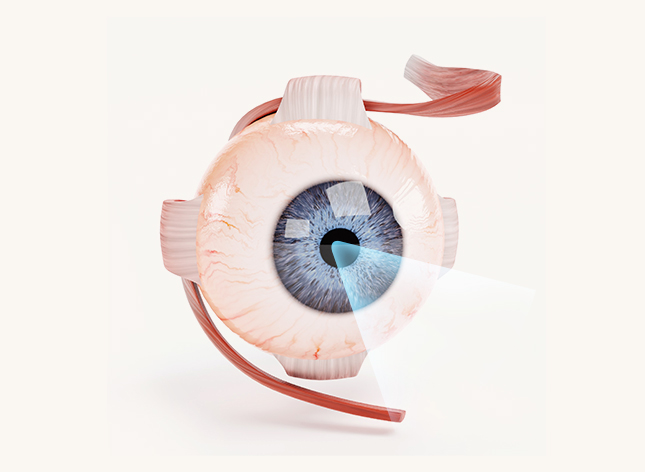
Uveitis (Eye Inflammation): Symptoms, Causes & Treatment in Seoul
Expert diagnosis and treatment at Nunehim Eye Center, Guro-gu
Q. What is uveitis?
Uveitis is inflammation of the uvea — the middle layer of the eye that includes the iris, ciliary body, and choroid. It causes eye pain, redness, blurred vision, and light sensitivity, and requires prompt uveitis treatment in Seoul with anti-inflammatory eye drops or, in more severe cases, oral medication to prevent permanent vision loss.
Q. What is uveitis, exactly?
Uveitis refers to inflammation of the uvea, the pigmented middle layer of the eye that supplies blood to the retina. Depending on which part of the uvea is affected, uveitis is classified as anterior (iris and ciliary body), intermediate (vitreous), posterior (choroid and retina), or panuveitis (all layers). Anterior uveitis is the most common form. Uveitis can affect one or both eyes and, without proper uveitis treatment in Seoul, may lead to lasting complications.
Q. What are the symptoms of uveitis?
- Eye pain, often dull and aching
- Redness concentrated around the iris (ciliary flush)
- Blurred or hazy vision
- New floaters
- Sensitivity to light (photophobia)
- A small or irregularly shaped pupil
- Headache accompanying eye symptoms
Key Statistics
▸ Uveitis affects an estimated 1 in 4,500 people annually in Korea, with anterior uveitis accounting for roughly 60–70% of cases
▸ Peak incidence among Korean patients occurs between ages 20 and 50, affecting working-age adults
▸ Up to 30% of uveitis cases in Korea are linked to systemic autoimmune conditions such as ankylosing spondylitis and Behçet’s disease
▸ Untreated uveitis is a leading cause of preventable vision loss, contributing to an estimated 10% of legal blindness cases worldwide
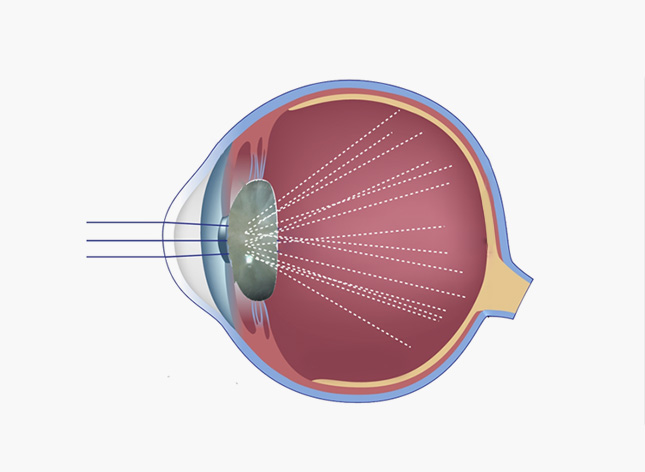
Q. How is uveitis treated?
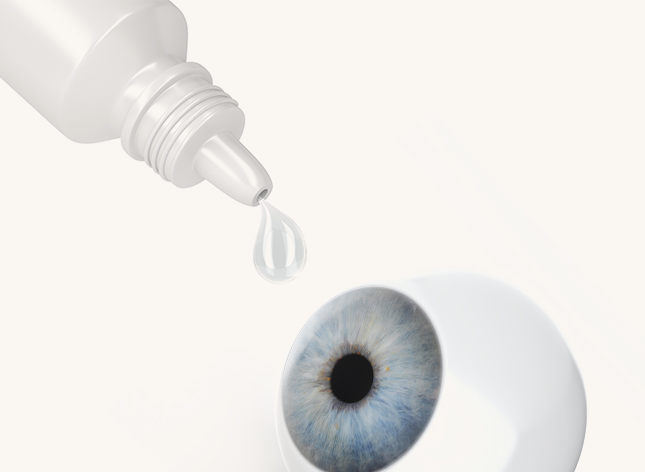
Treatment depends on the type and severity of inflammation. Anterior uveitis usually responds well to corticosteroid eye drops combined with mydriatic drops that relax the iris and prevent scarring (synechiae).
Intermediate, posterior, and panuveitis often require oral steroids, immunosuppressive therapy, or biologic agents, particularly when an autoimmune condition is driving the inflammation. If an infection is the underlying cause, targeted antimicrobial treatment is essential alongside anti-inflammatory care.
Q. What causes uveitis?
Uveitis has three broad categories of causes: autoimmune disease (including ankylosing spondylitis, Behçet’s disease, sarcoidosis, and juvenile idiopathic arthritis), infection (such as herpes virus, tuberculosis, toxoplasmosis, or syphilis), and trauma to the eye.
In up to half of cases, no specific cause is identified even after thorough workup, which is classified as idiopathic uveitis. A careful medical history and, when needed, laboratory testing help narrow down the cause.
⚠ When Should You See a Doctor Immediately?
- Sudden eye pain accompanied by redness
- Rapid or significant vision loss
- Halos appearing around lights
- Headache with nausea alongside eye symptoms
- A known history of autoimmune disease with new eye symptoms
- Recurrent episodes of eye inflammation
Anterior Uveitis
Involves the iris and ciliary body. The most common form, typically with sudden onset of pain, redness, and light sensitivity.
Intermediate / Posterior Uveitis
Involves the vitreous, retina, or choroid. Often presents with floaters and blurred vision, and carries higher risk to central vision.
Panuveitis
Inflammation across all layers of the uvea. The most severe form, frequently associated with Behçet’s disease, which is notably common in Korea.
From Dr. Daniel Baik
In my practice at Nunehim Eye Center, I see uveitis most often in patients who mistake it for simple conjunctivitis and delay care. Because recurrent uveitis can signal an underlying autoimmune condition, I always take a full medical history and coordinate with rheumatology when needed. Early, targeted treatment is what protects long-term vision. — Dr. Daniel Baik, board-certified ophthalmologist
❓ Frequently Asked Questions
Q. Is uveitis contagious?
No. Uveitis is an inflammatory condition, not an infectious one in most cases, though it can occasionally be triggered by an underlying infection. It cannot spread from person to person the way conjunctivitis can.
Q. Can uveitis come back after treatment?
Yes, especially when it is linked to an autoimmune condition such as Behçet’s disease. Recurrence rates can be significant, which is why patients with autoimmune-associated uveitis need long-term monitoring even after symptoms resolve.
Q. Does uveitis cause permanent blindness?
If left untreated or if it recurs repeatedly, uveitis can lead to complications such as cataracts, glaucoma, macular edema, and retinal damage that cause permanent vision loss. Prompt treatment greatly reduces this risk.
Q. How long does uveitis treatment take?
Anterior uveitis often improves within a few weeks with steroid eye drops. Posterior or chronic uveitis linked to autoimmune disease may require months of treatment and ongoing follow-up visits.
Q. Can stress trigger uveitis flare-ups?
Stress does not directly cause uveitis, but it can trigger flares in patients with underlying autoimmune conditions such as Behçet’s disease, which is more prevalent in Korea than in many Western populations.
Q. Should I see a rheumatologist as well as an ophthalmologist?
If uveitis recurs or occurs alongside joint pain, mouth ulcers, or skin lesions, coordinated care between ophthalmology and rheumatology is recommended to identify and manage any underlying systemic disease.
Q. Where can I get uveitis treatment in Yeongdeungpo or Guro?
Nunehim Eye Center in Guro-gu offers comprehensive uveitis evaluation and treatment, serving patients throughout Yeongdeungpo, Guro, Gasan, and Gwanak with both Korean and English consultations.

Book a Consultation
Concerned about eye pain, redness, or blurred vision? Nunehim Eye Center in Guro-gu provides prompt uveitis evaluation for patients across Yeongdeungpo, Guro, Gasan, and Gwanak.
📍 Visit Nunehim Eye Center — Guro, Seoul
Convenient access from Guro, Gasan, Gwanak & Dongjak. Near Guro Digital Complex Station (Line 2).
Address: 551 Siheung-daero, Guro-gu, Seoul
nunehim.com
Hours: Mon–Fri 09:00–18:30 (lunch 13–14)
Sat 09:00–14:00
Languages: Korean & English


Leave a comment