Living with Glaucoma: Daily Life and Long-Term Management Tips
Practical guidance from Dr. Daniel Baik, board-certified ophthalmologist — Nunehim Eye Center, Guro-gu, Seoul
Quick Answer
Living with glaucoma tips center on three habits: taking eye drops or other prescribed treatment exactly as directed, keeping every follow-up appointment for eye pressure and optic nerve monitoring, and building simple daily routines — phone reminders, good lighting, regular moderate exercise — that protect remaining vision. Glaucoma is a lifelong but very manageable condition when monitored consistently.
Q. What is glaucoma and why does daily management matter?
Glaucoma is a group of conditions that damage the optic nerve, usually related to elevated eye pressure, gradually reducing peripheral vision without early symptoms. Because vision lost to glaucoma cannot be recovered, daily management — drops, monitoring, healthy habits — is what determines whether a patient keeps functional vision for life. For patients across Yeongdeungpo, Guro, and Gasan, building glaucoma care into a daily routine, rather than treating it as an occasional task, is the single biggest factor in long-term outcomes.
Q. What are the signs my glaucoma may be progressing?
- Difficulty noticing objects to the side (peripheral vision loss)
- Bumping into furniture or door frames more often
- Trouble adjusting to dim lighting or night driving
- Needing brighter light to read comfortably
- Tunnel vision in advanced, untreated cases
Glaucoma — Key Statistics
- ▸ Glaucoma affects roughly 4% of Koreans over age 40, rising sharply with age
- ▸ Normal-tension glaucoma — pressure within normal range but nerve damage present — is notably more common in Korean populations than in Western studies
- ▸ Up to 50% of glaucoma cases go undiagnosed until noticeable vision loss occurs
- ▸ Consistent treatment reduces the risk of significant vision loss by over 50%
Q. How can I build glaucoma care into my daily routine?
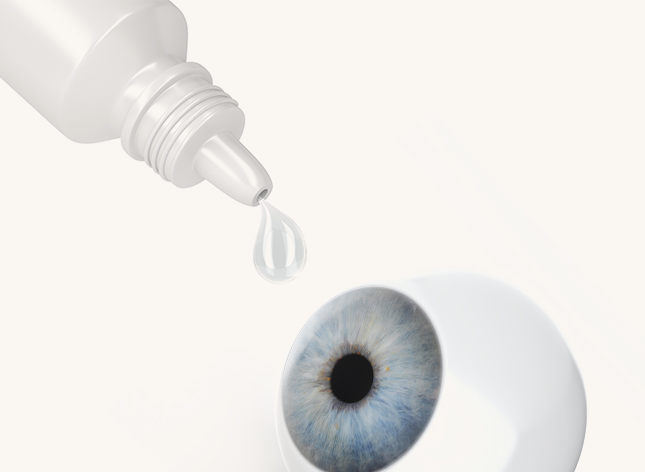
Set a fixed daily alarm for eye drops — most drops work best applied at the same time each day. Keep a small drop bottle at your desk or bag if you’re commuting between Gasan and Gwanak for work, so a missed morning dose isn’t a missed day. Use punctal occlusion (gently pressing the inner corner of the closed eye for 1-2 minutes after drops) to reduce side effects and improve absorption.
Moderate aerobic exercise like brisk walking several times a week has been shown to modestly lower eye pressure, while avoiding rapid large-volume fluid intake and limiting caffeine can help avoid pressure spikes.
Q. How does long-term monitoring work?
Long-term glaucoma management relies on regular visual field tests and OCT scans of the optic nerve to detect subtle changes before they become noticeable to the patient. At Nunehim Eye Center, follow-up intervals are tailored to each patient’s stability — typically every 3-4 months for eye pressure checks, and every 6-12 months for full visual field and imaging review, whether you’re coming from Yeongdeungpo, Guro, or further across Seoul.
When to Contact Your Doctor Right Away
- Sudden eye pain, redness, or blurred vision with headache or nausea (possible angle-closure emergency)
- A noticeable, rapid change in peripheral vision
- Persistent eye drop side effects that make you want to stop treatment
- Missing several days of medication in a row
Mild Glaucoma
Once-daily drops. Checkups every 4-6 months. Peripheral vision largely intact.
Moderate Glaucoma
May combine drops with laser (SLT). Checkups every 3 months. Some peripheral loss detectable on testing.
Advanced Glaucoma
Often requires surgery (trabeculectomy or tube shunt). Frequent monitoring. Noticeable functional vision loss.
From Dr. Daniel Baik
“Glaucoma rewards consistency more than any other eye condition I treat. Patients who build their drops into a daily habit and keep every follow-up almost always maintain their vision for life. My role is to make that routine as simple and sustainable as possible for each patient in Guro and the surrounding Seoul neighborhoods.”
❓ Frequently Asked Questions
Q. Does glaucoma go away with treatment?
No, glaucoma cannot be cured, but its progression can almost always be slowed or stopped with consistent treatment. Eye drops, laser therapy, or surgery lower eye pressure and protect the optic nerve from further damage. The key is that any vision already lost to glaucoma cannot be restored, which is why early diagnosis and lifelong management matter so much.
Q. Can I still drive if I have glaucoma?
Most patients with early to moderate glaucoma can continue driving safely, especially once eye pressure is well controlled. As peripheral vision loss advances, however, driving — particularly at night or in heavy Seoul traffic — can become harder. We assess visual field test results at each visit and will discuss driving safety directly if your peripheral vision changes.
Q. Do glaucoma eye drops have side effects?
Some patients notice mild stinging, redness, or eyelash growth changes, and certain drop classes can cause a slight change in eye color or lower heart rate. Most side effects are minor and manageable — punctal occlusion (lightly pressing the inner corner of the eye after applying drops) reduces systemic absorption. Tell us about any side effect so we can adjust your regimen rather than have you stop treatment on your own.
Q. How often should I get my eye pressure checked?
Most glaucoma patients need eye pressure and optic nerve checks every 3 to 4 months once stable on treatment, though newly diagnosed patients or those with fluctuating pressure may need monthly visits initially. Visual field testing and OCT of the optic nerve are typically repeated every 6 to 12 months to confirm the condition remains stable.
Q. Can lifestyle changes lower eye pressure?
Regular moderate aerobic exercise, avoiding excessive fluid intake in short periods, limiting caffeine, sleeping with the head slightly elevated, and avoiding tight neckties or inverted yoga poses can each modestly help eye pressure. These habits support, but never replace, prescribed drops or surgery — please continue medical treatment even if you adopt these changes.
Q. Is glaucoma hereditary?
Yes, having a parent or sibling with glaucoma increases your risk 4 to 9 times compared to the general population. Because of this strong genetic link, we recommend that first-degree relatives of glaucoma patients in Yeongdeungpo, Guro, Gasan, and Gwanak schedule a baseline eye pressure and optic nerve screening, especially after age 40.
Q. What happens if I miss my eye drops?
Apply the missed dose as soon as you remember unless it is almost time for the next one — never double up. Occasional missed doses are common and won’t undo months of treatment, but frequent missed doses allow eye pressure to rise silently, since glaucoma has no pain or obvious symptoms until damage is advanced. Setting a phone reminder is one of the simplest ways patients maintain consistency.

Book a Consultation
Managing glaucoma or concerned about your eye pressure? Dr. Daniel Baik offers Korean and English consultations, visual field testing, and OCT imaging in Guro-gu, Seoul.
nunehim.com
📍 Visit Nunehim Eye Center — Guro, Seoul
Convenient access from Guro, Gasan, Gwanak & Dongjak. Near Guro Digital Complex Station (Line 2).
Address: 551 Siheung-daero, Guro-gu, Seoul
nunehim.com
Hours: Mon–Fri 09:00–18:30 (lunch 13–14)
Sat 09:00–14:00
Languages: Korean & English


Leave a comment