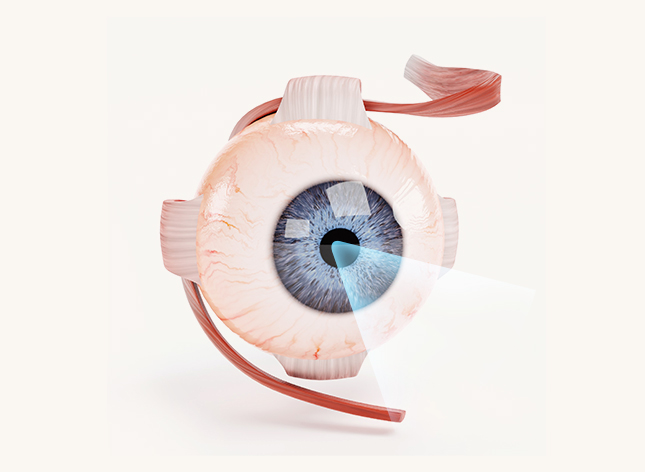
IPL vs Eye Drops for Dry Eye: Which Works Better for Office Workers?
Comparing IPL dry eye treatment in Seoul with everyday artificial tears
Q. Is IPL or eye drops better for dry eye?
For mild dry eye, preservative-free artificial tears are often enough. For moderate-to-severe dry eye linked to meibomian gland dysfunction, IPL (intense pulsed light) therapy combined with tear supplementation typically provides longer-lasting relief than eye drops alone, especially for office workers who spend most of the day facing screens.
Q. What causes dry eye in Seoul office workers?
Office environments in Yeongdeungpo, Gasan, and Gwanak often combine long screen hours, reduced blink rate, air conditioning, and frequent contact lens wear. These factors contribute to evaporative dry eye, most often driven by meibomian gland dysfunction (MGD), where the oil-producing glands along the eyelid margin become blocked or under-functioning.
Q. What are the symptoms of dry eye disease?
- Burning or gritty sensation
- Fluctuating or blurred vision, especially by late afternoon
- Redness and light sensitivity
- Watery eyes from reflex tearing
Dry Eye Statistics Relevant to Korea
▸ Dry eye disease affects an estimated 1 in 3 adults in Korea, with higher rates among office workers and contact lens wearers.
▸ Surveys of Seoul-based office workers report over 70% experiencing dry eye symptoms during a typical workday.
▸ Meibomian gland dysfunction is the underlying cause in up to 86% of dry eye disease cases.
▸ Studies of IPL series (3-4 sessions) report improved tear break-up time and symptom scores lasting 6-12 months in appropriate candidates.
Q. How do eye drops help, and where do they fall short?
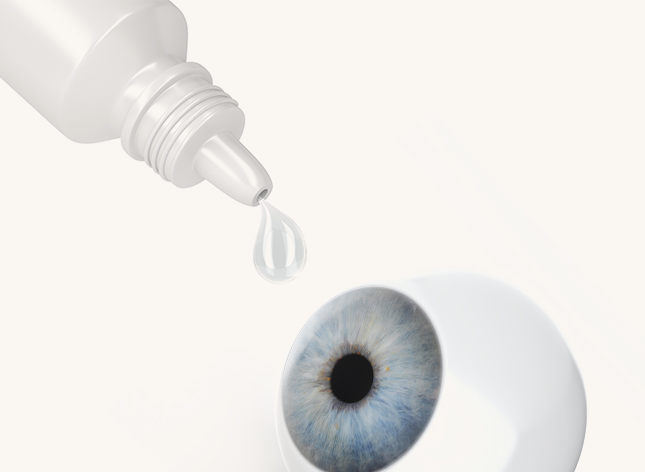
Preservative-free artificial tears lubricate the eye surface and provide quick relief. Prescription drops such as cyclosporine or diquafosol target underlying inflammation. However, drops generally require frequent reapplication and do not directly restore function to blocked meibomian glands.
Q. How does IPL treat dry eye?
IPL (intense pulsed light, such as the Oasis M22 system) applies controlled pulses of light near the eyelids to reduce inflammation, improve meibomian gland function, and close abnormal blood vessels along the lid margin. A typical course involves 3 to 4 sessions spaced several weeks apart.
Q. When should office workers in Seoul consider IPL over drops alone?
- Symptoms persist despite frequent artificial tear use
- Discomfort with contact lens wear
- Visible redness or abnormal vessels along the eyelid margin
- Meibomian gland dysfunction confirmed on eye exam
Drops Alone
Good for mild, occasional dryness. Requires frequent reapplication throughout the workday.
IPL Alone
Targets gland dysfunction directly. Best for moderate-to-severe, screen-related dry eye.
Combined Approach
IPL series plus targeted drops often gives the most consistent, longer-lasting comfort.
Many patients I see from Gasan and Yeongdeungpo use artificial tears throughout the day but still feel discomfort by evening. When meibomian gland dysfunction is the root cause, IPL combined with proper eyelid care provides more sustained comfort than drops alone.
— Dr. Daniel Baik, board-certified ophthalmologist, Nunehim Eye Center
❓ Frequently Asked Questions
Q. Is IPL treatment for dry eye painful?
Most patients describe IPL as a brief warm sensation near the eyelids rather than pain. The procedure is generally well tolerated and takes about 15-20 minutes per session.
Q. How many IPL sessions are needed for dry eye?
Most treatment plans involve 3 to 4 sessions spaced roughly 3 to 4 weeks apart, followed by periodic maintenance sessions depending on symptom recurrence.
Q. How long do IPL results last?
Many patients experience symptom relief for 6 to 12 months after a full treatment series, though results vary based on the severity of meibomian gland dysfunction.
Q. Can I still use eye drops between IPL treatments?
Yes. Artificial tears or prescription anti-inflammatory drops are often continued alongside IPL, especially during the initial treatment series.
Q. Is IPL safe for contact lens wearers?
Yes. Contact lenses are simply removed before the procedure and can typically be worn again shortly afterward, once any mild redness settles.
Q. Who should not get IPL treatment?
IPL may not be suitable for certain skin tones, active skin conditions near the eyes, pregnancy, or use of photosensitizing medications. This is reviewed during your consultation.
Q. Does insurance cover IPL for dry eye in Korea?
Coverage varies and IPL is often classified separately from standard medical treatment. Our team can walk through expected costs during your visit.

Book a Consultation
Struggling with dry eye despite using drops? Nunehim Eye Center offers IPL evaluations in English and Korean.
nunehim.com
📍 Visit Nunehim Eye Center — Guro, Seoul
Convenient access from Guro, Gasan, Gwanak & Dongjak. Near Guro Digital Complex Station (Line 2).
Address: 551 Siheung-daero, Guro-gu, Seoul / nunehim.com
Hours: Mon–Fri 09:00–18:30 (lunch 13–14), Sat 09:00–14:00
Languages: Korean & English


Leave a comment