Can Adults Wear OK Lens? Orthokeratology for Adult Myopia in Seoul
A guide from Nunehim Eye Center, Guro-gu, Seoul
Quick Answer
Yes, adults can wear OK lens (orthokeratology) for myopia. Worn overnight, these custom rigid lenses reshape the cornea temporarily so you see clearly during the day without glasses or daytime contacts. It suits adults with low-to-moderate myopia who want a non-surgical, reversible alternative to daytime correction.
Q. What is OK lens and how does it help adult myopia in Seoul?
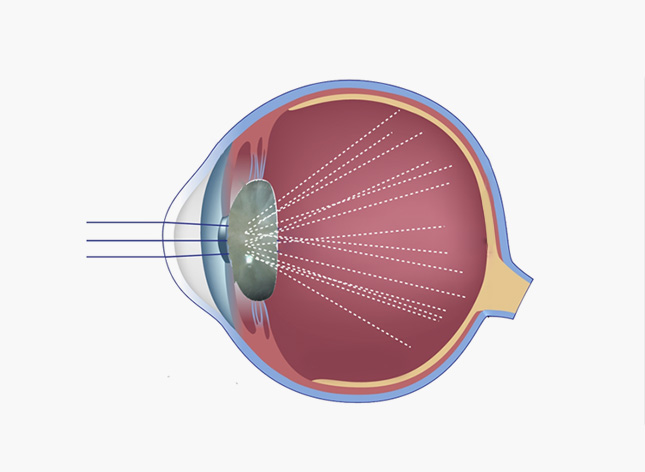
OK lens adults Seoul patients choose is a non-surgical option using specially designed rigid gas-permeable lenses worn only while sleeping. The lens gently and temporarily reshapes the front surface of the cornea, correcting myopia so you wake up with clear vision that lasts through the day — no daytime glasses or contacts required.
Q. Why are more adults in Korea considering OK lens?
Korea has among the highest myopia rates in the world, and many adults who wore glasses since childhood are now looking for alternatives to daytime correction. OK lens has become a popular option for professionals, athletes, and anyone who wants freedom from glasses without committing to permanent refractive surgery.
OK Lens for Adults — Key Facts
- ▸ Best suited to low-to-moderate myopia, roughly up to -5.00 to -6.00 diopters depending on corneal shape.
- ▸ Fully reversible — corneal shape gradually returns to baseline if lens wear stops.
- ▸ Most adults see clear improvement within days, with full stabilization in one to two weeks.
- ▸ Popular with adults in Yeongdeungpo, Guro, and Gasan who swim, play sports, or dislike daytime contacts.
Q. What does the OK lens fitting process involve?
Your ophthalmologist maps your corneal topography and measures your exact prescription, then orders a custom-fit lens. Initial fittings and follow-up visits confirm the lens is centering correctly and the cornea is healthy — this careful process is why OK lens should always be managed by a qualified eye doctor, not purchased informally.
Adults in Gwanak and Dongjak often appreciate that the whole adjustment process typically takes just a few visits before the routine becomes simple to maintain.
Q. How does OK lens compare to TransPRK or 2-Day LASEK?
OK lens is non-surgical and reversible, while TransPRK and 2-Day LASEK are permanent surgical corrections. Many adults use OK lens as a trial period or long-term lifestyle choice, while others eventually move to surgical correction. Your ophthalmologist can help you weigh both based on your prescription, corneal health, and daily routine.

Safety Reminders for OK Lens Wearers
- Always clean and disinfect lenses exactly as instructed
- Never sleep in lenses longer than your prescribed schedule
- Attend all scheduled follow-up exams
- Stop wear and contact your clinic immediately if you notice redness, pain, or blurred vision
Q. When should adults in Seoul consult a doctor about OK lens?
If you are curious about glasses-free days, currently wear daytime contacts that irritate your eyes, or are considering refractive surgery but want a reversible option first, a consultation is a good next step. Clinics serving Yeongdeungpo, Guro, and Gasan can evaluate your corneal shape and prescription to confirm candidacy.
Type: OK Lens
Non-surgical, reversible, worn overnight only.
Type: TransPRK
Surface-based laser surgery, no corneal flap.
Type: 2-Day LASEK
Permanent correction with a short recovery protocol.
From Dr. Daniel Baik
“Many adults are surprised to learn OK lens isn’t just for children. As a board-certified ophthalmologist, I regularly fit working adults across Guro and the wider Seoul area who simply want their mornings free of glasses and daytime contacts, without committing to surgery.”
❓ Frequently Asked Questions
Q. Can adults actually wear OK lens for myopia?
Yes. While orthokeratology (OK lens) is best known as a myopia-control option for children, adults can wear OK lens too. Adults typically use it for the convenience of glasses-free, contact-lens-free daytime vision rather than for myopia control, since myopia progression usually stabilizes by the mid-20s.
Q. How does OK lens work for adult myopia in Seoul?
OK lenses are rigid, gas-permeable lenses worn overnight. They gently reshape the cornea’s curvature while you sleep, temporarily correcting nearsightedness so you see clearly during the day without glasses or daytime contacts. The effect is reversible — it gradually fades if lens wear is stopped.
Q. Who is a good candidate for adult orthokeratology?
Good candidates generally have low-to-moderate myopia (often up to about -5.00 to -6.00 diopters, depending on corneal shape) and mild astigmatism. It particularly suits adults in Yeongdeungpo, Guro, and Gasan who swim, play sports, work in dusty environments, or simply dislike wearing glasses or daytime contacts.
Q. Is OK lens safer than LASIK or TransPRK for adults?
OK lens is non-surgical and fully reversible, which appeals to adults not ready for permanent correction like TransPRK or 2-Day LASEK. It carries its own risks, mainly related to lens hygiene and rare corneal infection, so proper fitting and follow-up care are essential regardless of which option you choose.
Q. What is the fitting and adjustment process like?
Your ophthalmologist will map your corneal topography, measure your prescription, and order a custom lens. Most adults notice improved vision within the first few days, with full effect typically stabilizing within one to two weeks of consistent nightly wear. Regular follow-up visits confirm the fit remains healthy.
Q. How do I care for OK lenses as an adult with a busy schedule?
Daily cleaning and disinfection with the recommended solution, proper case hygiene, and not sleeping in the lenses beyond the prescribed schedule are essential. Many working adults in Gwanak and Dongjak find the overnight routine easier to maintain consistently than daytime contact lens wear.
Q. Can I switch between OK lens and TransPRK/2-Day LASEK later?
Yes. Many adults use OK lens for a period — for lifestyle reasons or while deciding — before opting for permanent correction such as TransPRK or 2-Day LASEK. Your ophthalmologist can discuss timing, since a corneal rest period is typically required before refractive surgery evaluation.

Book a Consultation
Find out if OK lens is right for you at Nunehim Eye Center, serving Yeongdeungpo, Guro, Gasan, and Gwanak.
Or visit nunehim.com
📍 Visit Nunehim Eye Center — Guro, Seoul
Convenient access from Guro, Gasan, Gwanak & Dongjak. Near Guro Digital Complex Station (Line 2).
Address
551 Siheung-daero, Guro-gu, Seoul · nunehim.com
Hours
Mon–Fri 09:00–18:30 (lunch 13–14), Sat 09:00–14:00
Languages
Korean & English


Leave a comment