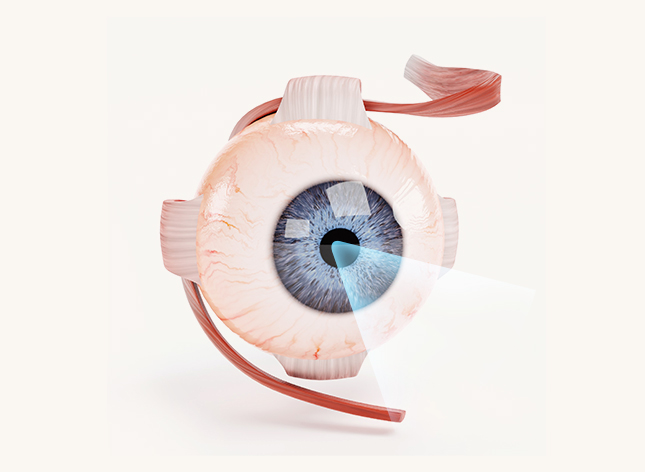
Halos and Glare After LASEK Surgery: Are They Permanent?
What to expect during healing for patients in Yeongdeungpo, Guro, Gasan & Gwanak
Q. Are halos and glare after LASEK permanent?
Halos and glare after LASEK are common in the first 1-3 months of healing as the cornea remodels, and they typically fade significantly within 3-6 months. Permanent, bothersome halos are uncommon with modern TransPRK/2-Day LASEK and proper pupil-size screening, though they can occur in a small percentage of patients.
Q. What causes halos and glare after LASEK surgery?
After LASEK, the outer corneal layer (epithelium) needs several days to regrow and smooth over the treated surface. Until healing is complete, this can scatter light and cause halos. Temporary dryness, residual refractive error, and a pupil diameter larger than the treated optical zone can also contribute to glare, especially at night.
Q. What are the symptoms of post-LASEK halos and glare?
- Rings or halos around streetlights and headlights at night
- Starburst patterns radiating from bright lights
- Increased glare from oncoming traffic while driving
- Symptoms most noticeable in low light or when pupils are dilated
LASEK & Night Vision in Korea: Key Statistics
- ▸ Nearly 96% of young adults in Seoul are myopic, driving strong demand for TransPRK/2-Day LASEK
- ▸ Around 20-30% of patients report noticeable night-glare in the first month after surface ablation surgery
- ▸ Fewer than 5% still report bothersome halos by the 6-month follow-up mark
- ▸ Careful pupil-size and corneal topography screening before surgery is a key factor in minimizing long-term glare
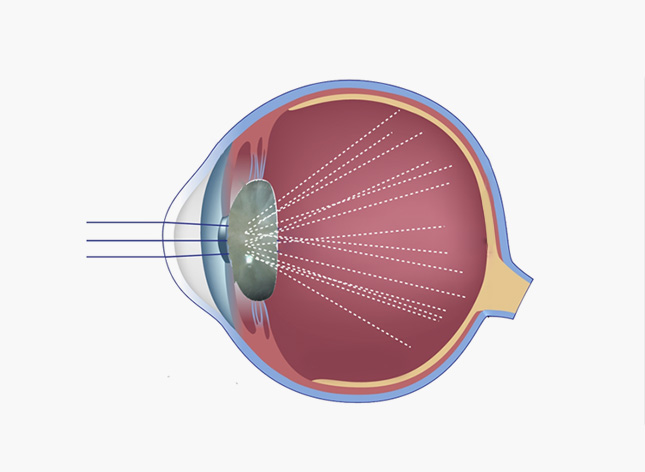
Q. How are halos and glare managed after LASEK?
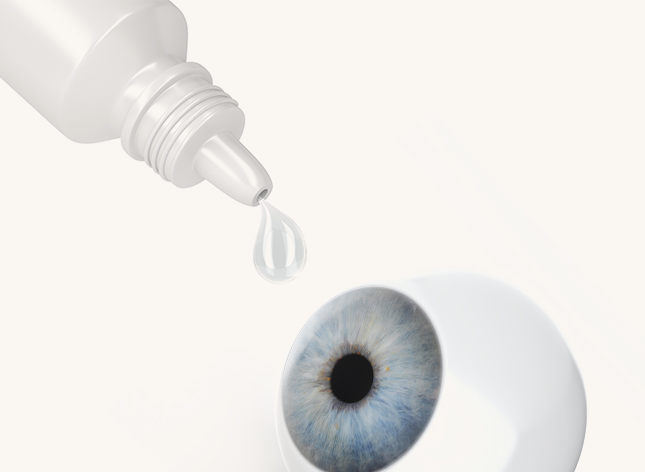
Preservative-free artificial tears help reduce dryness-related glare during the healing weeks, and prescribed anti-inflammatory drops support smooth epithelial healing. Many patients also find temporary relief using anti-glare glasses for night driving in the first few weeks.
Advanced wavefront-guided ablation planning, used to customize each patient’s treatment, further reduces the risk of significant night-vision disturbance.
Q. Why does LASEK healing feel different from LASIK?
TransPRK/2-Day LASEK is a surface ablation technique — no corneal flap is created, so the epithelium must regrow over several days rather than being repositioned immediately. This means more noticeable light sensitivity and glare in the first week or two, but it also eliminates flap-related complications entirely.
For many patients in Guro and Yeongdeungpo, this trade-off is worthwhile given the long-term corneal stability that surface ablation offers.
⚠ When to Contact Your Surgeon
- Halos or glare not improving after 3-6 months
- Symptoms worsening rather than fading over time
- Any pain, redness, discharge, or sudden vision change — possible signs of infection or delayed healing
Week 1
Epithelium regrowing; light sensitivity and glare most noticeable.
Month 1
Vision stabilizing; halos noticeably reduced for most patients.
Month 3-6
Corneal remodeling complete for most; residual glare rare and usually mild.
A Note From Dr. Daniel Baik
“Most patients notice some halos or starbursts in the early weeks after LASEK — this is a normal part of corneal healing, not a complication. I screen every patient’s pupil size and corneal shape before surgery specifically to minimize this risk, and I follow up closely with my Guro and Yeongdeungpo patients until symptoms settle.”
❓ Frequently Asked Questions
Q. How long do halos last after LASEK?
Most halos and starbursts fade noticeably within 1-3 months as the corneal surface finishes remodeling, and continue to improve gradually up to about 6 months after surgery.
Q. Are halos after LASEK permanent?
Permanent, bothersome halos are uncommon with modern TransPRK/2-Day LASEK and careful pre-op screening, but the risk is higher for patients with very high prescriptions, thin corneas, or naturally large pupils.
Q. Can eye drops help with glare after LASEK?
Preservative-free artificial tears reduce dryness-related glare, and the anti-inflammatory drops prescribed after surgery help the corneal surface heal smoothly, which also reduces light scatter.
Q. Is LASEK worse for halos than LASIK?
LASEK and LASIK have different healing patterns rather than one being categorically worse. TransPRK/2-Day LASEK avoids flap-related complications entirely since no corneal flap is created, and long-term visual outcomes are comparable.
Q. Will night driving be affected right after surgery?
Many patients choose to avoid night driving for 1-4 weeks after LASEK while the eyes adjust and any glare settles. Your surgeon will confirm a personalized timeline at your follow-up visits.
Q. Does pupil size affect my risk of halos?
Yes. Larger pupils in low light let more unfocused light reach the retina outside the treated optical zone, which can increase halo perception. Pre-op pupil measurement helps predict and plan around this.
Q. When should I contact my surgeon about halos after LASEK?
Reach out if halos are not improving by 3-6 months, are worsening rather than fading, or are accompanied by pain, redness, or sudden vision changes.

Book a Consultation
Concerned about halos or glare after LASEK? Schedule a follow-up evaluation with Dr. Daniel Baik in Guro, Seoul.
or visit nunehim.com
📍 Visit Nunehim Eye Center — Guro, Seoul
Convenient access from Guro, Gasan, Gwanak & Dongjak. Near Guro Digital Complex Station (Line 2).
🗺️ 551 Siheung-daero, Guro-gu, Seoul
Near Guro Digital Complex Station (Line 2)
Address
551 Siheung-daero, Guro-gu, Seoul
nunehim.com
Hours
Mon–Fri 09:00–18:30 (lunch 13–14)
Sat 09:00–14:00
Languages
Korean & English


Leave a comment