
Vitrectomy Explained: What Happens During Retinal Surgery in Seoul
A step-by-step guide to retinal surgery for patients in Yeongdeungpo, Guro, Gasan & Gwanak
Q. What is a vitrectomy, in short?
A vitrectomy is a microsurgical procedure that removes the vitreous gel from inside the eye to treat retinal detachment, macular hole, diabetic vitreous hemorrhage, or severe floaters. In Seoul, it is typically performed under local anesthesia in under an hour, and most patients resume light activity within days.
Q. What is a vitrectomy surgery Seoul patients should know about?
Vitrectomy is one of the most common retinal procedures performed in Seoul, where high rates of myopia contribute to an elevated risk of retinal detachment. During the operation, a retina specialist uses three tiny 23-27 gauge ports (each under 1mm) to remove the vitreous gel, repair the retina, and place a temporary gas bubble or silicone oil to hold it in place while it heals.
Q. What are the signs that I might need a vitrectomy?
- Sudden flashes of light or a shower of new floaters
- A shadow or curtain moving across part of your vision
- Sudden blurred or distorted central vision (possible macular hole)
- Vitreous hemorrhage that does not clear on its own, often related to diabetic retinopathy
Retina Health in Seoul: Key Statistics
- ▸ Retinal detachment affects roughly 1 in 10,000 people annually in Korea, with high myopia as a leading risk factor
- ▸ Nearly 96% of young adults in Seoul are myopic, well above the global average
- ▸ Up to 30% of long-term diabetics in Korea develop diabetic retinopathy, a common reason for vitrectomy
- ▸ Single-surgery anatomical success for primary retinal detachment repair is 85-95% with modern vitrectomy
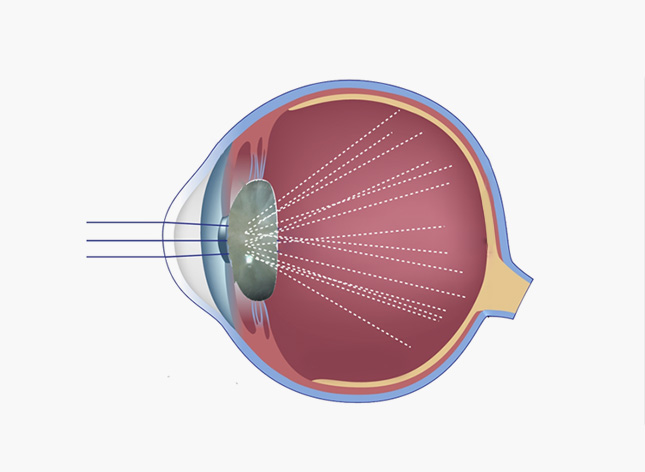
Q. What treatment approaches are used during vitrectomy?
Most vitrectomies in Seoul today use 23G, 25G, or 27G microincision instruments that are sutureless and heal quickly. Depending on the diagnosis, the surgeon may combine vitrectomy with a scleral buckle, membrane peeling, laser photocoagulation, or cryotherapy to seal retinal tears.
At the end of surgery, the eye is filled with a gas bubble or, in more complex cases, silicone oil, to hold the retina in position while it heals against the eye wall.
Q. What actually happens during retinal surgery?
After anesthesia, the surgeon creates three microscopic ports in the white of the eye (sclera). Fine instruments remove the cloudy or bleeding vitreous gel, release any scar tissue pulling on the retina, and reposition or reattach the retina. The procedure usually takes 45-90 minutes depending on complexity.
Because the incisions are so small, most patients in Guro and Yeongdeungpo need no stitches and can go home the same day.

⚠ After Your Vitrectomy: What to Watch For
- Strict face-down or side positioning if a gas bubble was placed
- No air travel until your surgeon confirms the gas bubble has absorbed
- Contact your clinic immediately for increasing pain, worsening redness, or sudden vision loss — signs of infection or elevated eye pressure
Before Surgery
Retinal exam, OCT imaging, and discussion of anesthesia and tamponade options.
During Surgery
45-90 minutes under local anesthesia; vitreous removed, retina repaired, tamponade placed.
After Surgery
Positioning as instructed, follow-up exams, gradual return to normal activity over 4-8 weeks.
A Note From Dr. Daniel Baik
“Many patients are understandably anxious about retinal surgery, but with modern microincision techniques, vitrectomy is a safe, precise procedure. My priority is always preserving and restoring as much vision as possible, while keeping recovery as comfortable as I can for each patient in Guro and Yeongdeungpo.”

❓ Frequently Asked Questions
Q. Is a vitrectomy painful?
Vitrectomy is performed under local or topical anesthesia with sedation, so patients feel no pain during surgery. Mild soreness, grittiness, or scratchiness for a few days afterward is normal and controlled with prescribed drops.
Q. How long is recovery after vitrectomy?
Most patients in Seoul resume light desk work within 1-2 weeks. Full visual recovery can take 4-8 weeks, and longer if a gas bubble or silicone oil tamponade was used to support the retina.
Q. Will I need to lie face-down after surgery?
Face-down or side positioning is only required when a gas bubble is placed to hold the retina in place, typically for several days to a week. Your surgeon will confirm whether your case needs this.
Q. Can I fly after vitrectomy?
Air travel must be avoided while a gas bubble remains in the eye, since cabin pressure changes can dangerously raise eye pressure. This restriction can last from 2 to 6 weeks depending on the gas used.
Q. What is the success rate of vitrectomy?
Modern microincision vitrectomy achieves an 85-95% single-surgery anatomical reattachment rate for retinal detachment. Final visual outcome depends on how long the retina was detached before surgery.
Q. Is vitrectomy covered by insurance in Korea?
Vitrectomy for medically necessary conditions such as retinal detachment, diabetic vitreous hemorrhage, or macular hole is covered under Korea’s National Health Insurance (NHIS). Expats should confirm coverage details with their insurer beforehand.
Q. How do I know if I need a vitrectomy consultation in Seoul?
Sudden flashes of light, a shower of new floaters, or a shadow or curtain across your vision are urgent warning signs. Same-day retinal evaluation is recommended for anyone in Yeongdeungpo, Guro, Gasan, or Gwanak experiencing these symptoms.

Book a Consultation
Retinal detachment and vitreous conditions are time-sensitive — schedule a same-week evaluation with Dr. Daniel Baik in Guro, Seoul.
or visit nunehim.com
📍 Visit Nunehim Eye Center — Guro, Seoul
Convenient access from Guro, Gasan, Gwanak & Dongjak. Near Guro Digital Complex Station (Line 2).
🗺️ 551 Siheung-daero, Guro-gu, Seoul
Near Guro Digital Complex Station (Line 2)
Address
551 Siheung-daero, Guro-gu, Seoul
nunehim.com
Hours
Mon–Fri 09:00–18:30 (lunch 13–14)
Sat 09:00–14:00
Languages
Korean & English


Leave a comment