Eye Floaters: Should You Worry? When to See a Doctor in Seoul
A board-certified ophthalmologist explains when floaters are harmless — and when they signal an emergency.
Quick Answer
Eye floaters causes Seoul patients ask about most often are simple, age-related vitreous changes and are usually harmless. But a sudden shower of new floaters with flashes of light is a warning sign of a possible retinal tear and needs same-day evaluation by an ophthalmologist.
Q. What are eye floaters?
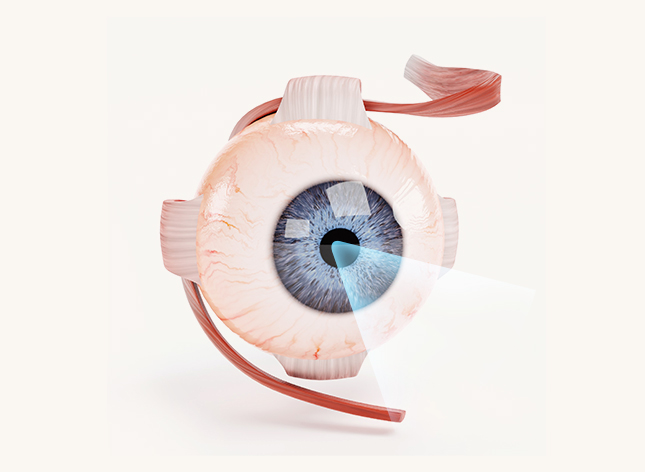
Eye floaters are small specks, threads, or cobweb-like shapes that drift across your field of vision, most noticeable against a bright background like a clear sky or a white wall. They are shadows cast by tiny clumps of protein or cell debris inside the vitreous gel. For patients across Guro, Gwanak, and Dongjak, floaters are one of the most common reasons for an unplanned ophthalmology visit.
Floaters by the Numbers
- ▸ Posterior vitreous detachment becomes increasingly common with age, especially after 50
- ▸ Korea has among the highest rates of myopia in young adults worldwide, which brings earlier floater onset
- ▸ A small but meaningful percentage of sudden-onset floater cases involve an underlying retinal tear
- ▸ Most floater-related retinal tears are successfully treated with prompt laser therapy
Q. How are eye floaters treated?
Most floaters require no treatment beyond reassurance and monitoring, since they tend to become less noticeable over time. For floaters that persistently obstruct vision, options include laser vitreolysis to break up larger clumps or, in select cases, a vitrectomy to remove the vitreous gel.
The most important first step is always a dilated retinal exam to rule out a tear or detachment — something patients in Yeongdeungpo and Gasan can have done directly at Nunehim Eye Center.
Q. Who is most at risk for floaters?
Floaters become more common with age, after cataract surgery, following eye injury, and — importantly for many patients in Seoul — with high myopia. Because nearsighted eyes are longer and undergo earlier vitreous changes, floaters and posterior vitreous detachment can appear years earlier than average.

Q. When are floaters a medical emergency?
- A sudden shower of new floaters, especially many at once
- Flashes of light in your peripheral vision
- A shadow or curtain across part of your visual field
- Sudden blurred vision alongside new floaters
Benign
Stable, few floaters, no flashes. Monitor and revisit if it changes.
PVD (New Onset)
Sudden floaters and flashes. Needs a dilated exam within days.
Retinal Tear/Detachment
Curtain/shadow in vision. Same-day emergency evaluation required.
A Note from Dr. Daniel Baik
“The question I always ask patients from Guro and Gasan who come in with new floaters is simple: did this happen suddenly, and is it accompanied by flashes? As a board-certified ophthalmologist, that history — combined with a dilated exam — tells me almost immediately whether we’re dealing with something benign or something urgent.”

❓ Frequently Asked Questions
Q. What causes eye floaters?
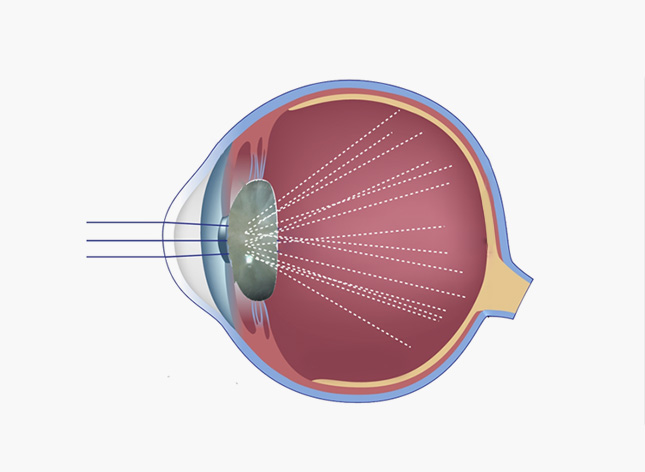
Floaters are small clumps of protein or cell debris within the vitreous, the gel-like substance filling the eye. They cast tiny shadows on the retina, appearing as specks, threads, or cobwebs that drift across your vision. Most floaters result from natural age-related vitreous shrinkage (posterior vitreous detachment), but they can also follow eye injury, inflammation, or nearsightedness.
Q. Are eye floaters dangerous?
Most floaters are harmless and simply a normal part of aging. However, a sudden shower of new floaters — especially with flashes of light or a shadow at the edge of vision — can signal a retinal tear or detachment, which is a medical emergency requiring same-day evaluation.
Q. When should I see a doctor in Seoul for eye floaters?
Seek same-day evaluation if you notice a sudden increase in floaters, flashes of light, a curtain or shadow across part of your vision, or blurred vision accompanying the floaters. Patients in Yeongdeungpo, Guro, and Gasan can typically be seen quickly at a local ophthalmology clinic equipped for dilated retinal exams.
Q. Can eye floaters go away on their own?
Floaters often become less noticeable over weeks to months as the brain adapts and the debris settles, even though the particles themselves don’t disappear. Severe or vision-obstructing floaters that don’t improve may be treated with a vitrectomy or, in select cases, laser vitreolysis.
Q. Are floaters more common with high myopia?
Yes. Nearsighted (myopic) eyes are longer than average and undergo earlier, more pronounced vitreous changes, making floaters and posterior vitreous detachment more common and often occurring at a younger age. Given the near-universal high rates of myopia among young adults in Korea, this is a frequent concern in Seoul clinics.
Q. What is a posterior vitreous detachment?
A posterior vitreous detachment (PVD) occurs when the vitreous gel separates from the retina as part of normal aging. It commonly causes a sudden onset of floaters and flashes. PVD itself is usually benign, but it carries a small risk of causing a retinal tear at the moment of separation, which is why a dilated exam is recommended after any sudden onset of new floaters.
Q. How is a retinal tear from floaters treated?
If a dilated exam reveals a retinal tear, it is typically treated promptly with laser photocoagulation or cryotherapy to seal the tear and prevent progression to a full retinal detachment, which would require more extensive surgery. Early treatment has a very high success rate.

Book a Consultation
Concerned about new floaters or flashes? Same-week dilated retinal exams available at Nunehim Eye Center, Guro-gu.
📍 Visit Nunehim Eye Center — Guro, Seoul
Convenient access from Guro, Gasan, Gwanak & Dongjak. Near Guro Digital Complex Station (Line 2).
Address:
551 Siheung-daero, Guro-gu, Seoul
nunehim.com
Hours:
Mon–Fri 09:00–18:30 (lunch 13–14)
Sat 09:00–14:00
Languages:
Korean & English


Leave a comment