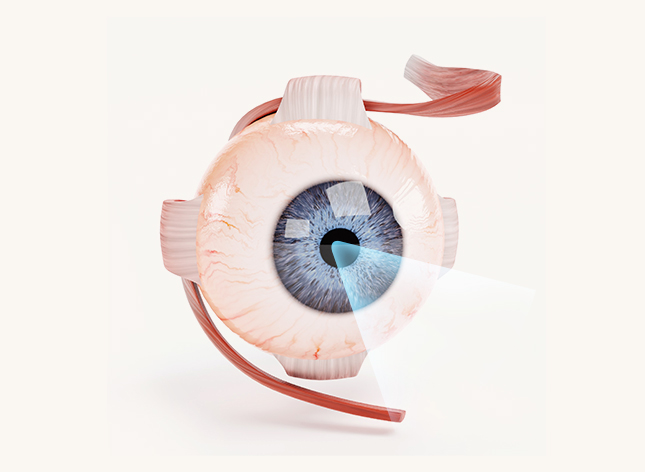
How Often Should You Get an Eye Exam? A Guide for Expats in Seoul
Nunehim Eye Center · Guro, Seoul
Quick Answer
Most healthy adults under 40 should get a comprehensive eye exam every 1–2 years; adults over 40, contact lens wearers, and anyone with diabetes or a family history of eye disease should go annually. For expats in Seoul, the honest answer is often “more often than you think” — many people move to Korea and go years without an eye exam simply because they aren’t sure where to go or what’s covered, and small vision or eye-health changes go unnoticed until they aren’t small anymore.
Q. How often should you actually get an eye exam?
The right interval depends on your age, health, and risk factors, not a single universal number. Healthy adults age 18–39 with no symptoms and no strong risk factors can typically go every 1–2 years. Adults 40 and older should switch to annual exams, because this is the age when presbyopia, glaucoma, and other age-related conditions start becoming common. Anyone wearing contact lenses should be examined at least once a year regardless of age, since lenses carry their own risk of corneal infection and dryness. People with diabetes, high blood pressure, high myopia, or a family history of glaucoma or macular degeneration should generally be seen annually or more often, on a schedule set with their ophthalmologist.
Q. What actually happens during a comprehensive eye exam?
- Visual acuity testing to check how clearly you see at distance and up close
- Refraction to determine your exact glasses or contact lens prescription
- Intraocular pressure (IOP) measurement to screen for glaucoma risk
- A dilated exam or optic nerve imaging (OCT) to directly evaluate the retina and optic nerve
- A general health check of the front of the eye, including the cornea and tear film
Eye Health in Korea — By the Numbers
- ▸ Korea’s National Health Insurance covers a free general health checkup every 2 years for most adults, but this basic screening does not include a full ophthalmologist-level eye exam
- ▸ Studies of Korean adults show over 96% prevalence of some degree of refractive error (myopia, hyperopia, or astigmatism) by adulthood, among the highest rates in the world
- ▸ Fewer than half of adults with elevated glaucoma risk in Korea report having had a dilated eye exam in the past year
- ▸ Screen time and near-work in Seoul’s office and student population are strongly associated with earlier and faster progression of myopia
Q. Why is an annual exam especially important for expats living in Seoul?
Many expats arrive in Seoul with an eye exam schedule shaped by their home country’s healthcare system, then quietly let it lapse once they’re unsure how the Korean system works, whether their insurance applies, or where to find an English-speaking ophthalmologist. That gap matters, because several of the most common serious eye conditions — glaucoma, early diabetic eye disease, and early macular changes — cause no symptoms at all until real damage has occurred. An annual exam closes that gap and gives you a clear, English-language explanation of your results.
At Nunehim Eye Center, consultations are available in both Korean and English, so expats across Yeongdeungpo, Guro, Gasan, and Gwanak don’t have to navigate a language barrier on top of a health concern.
Q. What eye conditions are especially common to screen for in Korea?
Korea has one of the highest rates of myopia (nearsightedness) in the world, along with a notably high proportion of normal-tension glaucoma, where eye pressure looks normal even as the optic nerve is being damaged. Both conditions are best caught through a proper exam rather than a basic vision screening, which is exactly why routine, comprehensive checkups matter more here than in many other countries.
Q. When should you book an eye exam sooner rather than waiting for your annual visit?
- You’ve noticed a change in your vision, even a subtle one
- You get frequent headaches, eye strain, or fatigue from screen work
- You wear contact lenses and haven’t been checked in over a year
- You have diabetes, high blood pressure, or a family history of eye disease
- You experience sudden flashes, floaters, pain, or vision loss — seek care immediately, this can signal a retinal emergency
Ages 18–39
Every 1–2 years if healthy and asymptomatic; annually if you wear contacts or have any risk factors.
Ages 40–64
Annual comprehensive exams, including glaucoma and optic nerve screening, become the standard recommendation.
Ages 65+
Annual exams are essential to screen for cataracts, macular degeneration, and glaucoma, all of which become significantly more common with age.
— Dr. Daniel Baik, Board-Certified Ophthalmologist
“I see a lot of expat patients in Yeongdeungpo and Guro who tell me it’s been three, four, even five years since their last real eye exam — not because they weren’t concerned, but because they simply didn’t know where to start in a new healthcare system. My advice is always the same: don’t wait for symptoms. Conditions like glaucoma and early diabetic eye disease are far easier to manage when we catch them on a routine visit instead of an urgent one.”
❓ Frequently Asked Questions
Q. Do I need an eye exam if my vision feels fine?
Yes. Many serious eye conditions, including glaucoma and early diabetic retinopathy, cause no noticeable symptoms until meaningful damage has already occurred. A comprehensive exam checks the health of your eyes, not just how clearly you can read a chart.
Q. Is a basic vision screening the same as a comprehensive eye exam?
No. A vision screening (like the kind included in Korea’s national health checkup) typically just measures how clearly you see. A comprehensive exam adds eye pressure measurement, optic nerve evaluation, and a check of the retina and internal eye structures — the parts that actually catch disease early.
Q. How often do contact lens wearers need to be examined?
At least once a year, regardless of age or how well your vision feels. Contact lenses increase the risk of corneal infection, dryness, and oxygen deprivation to the cornea, all of which can be caught early with a routine check.
Q. Can Nunehim Eye Center see patients in English?
Yes. Dr. Daniel Baik and the team at Nunehim Eye Center offer consultations in both Korean and English, serving expats and international residents across Yeongdeungpo, Guro, Gasan, and Gwanak.
Q. What should I bring to my first eye exam in Korea?
Bring your current glasses or contact lens prescription if you have one, a list of any medications you take, and your Alien Registration Card or passport for registration. If you have a family history of glaucoma or retinal disease, it’s helpful to mention this at your visit.
Q. Does Korean national health insurance cover eye exams?
Coverage varies by service. Korea’s national insurance includes a free basic health checkup every two years for most adults, but this does not replace a full ophthalmologist exam. It’s best to check current coverage details directly with the clinic when booking.
Q. How soon should I book if I’m experiencing symptoms right now?
If you have sudden flashes, floaters, pain, redness, or vision loss, these can signal an emergency and should be seen the same day. For milder but persistent symptoms like eye strain or blurriness, book within the next one to two weeks rather than waiting for your annual visit.

Book a Consultation
Dr. Daniel Baik and the team at Nunehim Eye Center welcome English and Korean-speaking patients across Yeongdeungpo, Guro, and Gasan.
📍 Visit Nunehim Eye Center — Guro, Seoul
Convenient access from Guro, Gasan, Gwanak & Dongjak. Near Guro Digital Complex Station (Line 2).
Address
551 Siheung-daero, Guro-gu, Seoul
nunehim.com
Hours
Mon–Fri 09:00–18:30 (lunch 13:00–14:00)
Sat 09:00–14:00
Languages
Korean & English


Leave a comment