High Myopia Risks: Why Being Very Nearsighted Is a Medical Concern
Understanding high myopia risks with Dr. Daniel Baik, board-certified ophthalmologist — Nunehim Eye Center, Guro, Seoul
Quick Answer
High myopia risks go beyond needing thick glasses — being very nearsighted (−6.00 diopters or worse) stretches and thins the eye, raising the lifelong risk of retinal detachment, myopic macular degeneration, glaucoma, and early cataracts, which is why regular monitoring in Seoul matters even after vision is corrected.
Q. What is high myopia?
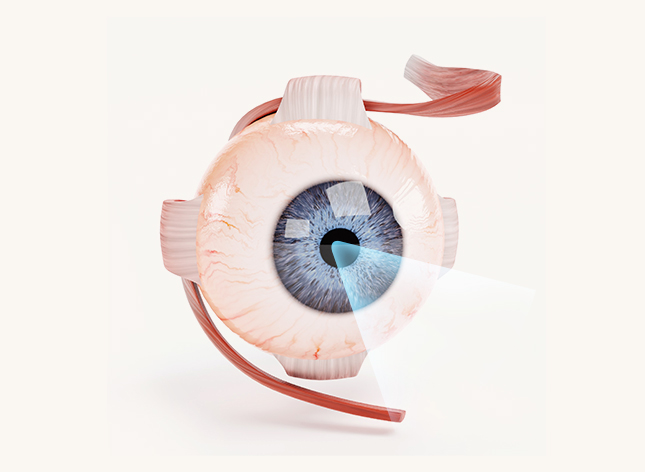
High myopia is a severe form of nearsightedness, typically defined as −6.00 diopters or worse, in which the eyeball grows longer (axial length over 26mm) than normal. This elongation stretches the retina and other internal eye structures, and unlike mild myopia, high myopia is considered a medical risk factor rather than a simple refractive inconvenience.
Q. What are the symptoms and warning signs?
- Blurry distance vision that keeps worsening year after year
- Sudden increase in floaters or spots in your vision
- Flashes of light, especially in peripheral vision
- A shadow or curtain effect across part of your visual field
- Difficulty seeing at night or increased glare sensitivity
High Myopia in Korea: The Numbers
▸ Nearly 96–97% of Korean young adults have some degree of myopia, among the highest rates worldwide
▸ An estimated 20% of young Koreans have high myopia (−6.00D or worse)
▸ High myopia raises retinal detachment risk by up to 10x compared to non-myopic eyes
▸ Myopic macular degeneration is a leading cause of irreversible vision loss in highly myopic patients over 50
Q. What treatment and management options exist?
Correcting the refractive error is only part of managing high myopia. Glasses, contact lenses, OK lenses (orthokeratology), and refractive surgery such as TransPRK/2-Day LASEK can sharpen vision, but the underlying structural risks to the retina remain and require ongoing monitoring.
At Nunehim Eye Center, patients from Yeongdeungpo, Guro, and Gasan receive both vision correction consultations and dilated retinal exams to screen for high-myopia-related complications.
Q. Why does high myopia increase medical risk?
As the eyeball elongates, the retina and choroid stretch and thin, making them more prone to tears, lattice degeneration, and detachment. The stretching also raises the risk of myopic macular degeneration, glaucoma, and earlier-than-average cataracts. These risks persist even after LASIK-type surgery or contact lens correction, since surgery changes the cornea, not the elongated shape of the eye itself.
Q. When should I see a doctor in Seoul?
- You have −6.00D or higher prescription and haven’t had a dilated retinal exam in the past year
- You notice new floaters, flashes, or a shadow in your vision — seek same-day evaluation
- Your child’s myopia is progressing rapidly year over year
- You are considering TransPRK/2-Day LASEK or OK lens and want to confirm candidacy
Moderate Myopia
−3.00 to −5.75D. Correctable with glasses/lenses; lower structural risk.
High Myopia
−6.00D or worse. Elevated risk of retinal and structural complications.
Pathologic Myopia
Severe axial elongation with degenerative retinal changes; needs specialist follow-up.
A Note from Dr. Daniel Baik
“I see many patients across Guro, Gasan, and Gwanak who assume that once their vision is corrected — with glasses, lenses, or even surgery — the risk is gone. As a board-certified ophthalmologist, I always emphasize that high myopia is a lifelong retinal risk factor, and yearly dilated exams are the single best way to catch problems early.”
❓ Frequently Asked Questions
Q. At what point is myopia considered “high myopia”?
High myopia is generally defined as a refractive error of −6.00 diopters or worse, or an eye axial length greater than 26mm. Many young adults in Seoul, where myopia rates are among the highest in the world, fall into this category by their twenties.
Q. Can high myopia be reversed?
The refractive error itself cannot be reversed, but vision can be corrected with glasses, contact lenses, OK lenses (orthokeratology), or refractive surgery such as TransPRK/2-Day LASEK. However, the structural eye changes and associated retinal risks from high myopia remain and require ongoing monitoring regardless of corrective method.
Q. Is TransPRK safe for high myopia?
TransPRK/2-Day LASEK can safely correct significant degrees of myopia for eligible candidates after a thorough evaluation of corneal thickness and shape. Because it does not create a corneal flap, it is often preferred for higher prescriptions and thinner corneas. Not everyone with high myopia qualifies, which is why a detailed pre-operative exam at Nunehim Eye Center is essential.
Q. Does having children reduce their risk of high myopia?
Genetics play a role, but outdoor time and limited near-work are proven protective factors. Children of highly myopic parents in Yeongdeungpo and Guro benefit from early and frequent eye exams, since early-onset myopia is more likely to progress to high myopia.
Q. How often should someone with high myopia get a dilated eye exam?
Most ophthalmologists recommend a comprehensive dilated retinal exam at least once a year for patients with high myopia, since early signs of retinal thinning, lattice degeneration, or macular changes can be detected before symptoms appear.
Q. What are the warning signs of a retinal problem in high myopia?
Sudden flashes of light, a sudden increase in floaters, or a shadow or curtain across part of the vision are warning signs of retinal detachment and require immediate evaluation. Patients with high myopia should treat these symptoms as urgent.
Q. Is OK lens (orthokeratology) suitable for high myopia?
OK lenses can help manage moderate to high myopia, particularly in children and teens as a way to slow progression, and are also used by adults who prefer glasses-free daytime vision. Suitability depends on the degree of myopia and corneal shape, best assessed during a consultation.

Book a Consultation
Have high myopia and haven’t had a retinal exam this year? Schedule a comprehensive eye exam with Dr. Daniel Baik at Nunehim Eye Center in Guro, Seoul.
Or visit us online at nunehim.com
📍 Visit Nunehim Eye Center — Guro, Seoul
Convenient access from Guro, Gasan, Gwanak & Dongjak. Near Guro Digital Complex Station (Line 2).
Address: 551 Siheung-daero, Guro-gu, Seoul / nunehim.com
Hours: Mon–Fri 09:00–18:30 (lunch 13–14), Sat 09:00–14:00
Languages: Korean & English


Leave a comment