Watery Eyes (Epiphora): Causes & Treatment in Seoul
A board-certified ophthalmologist explains why eyes water and how it’s treated
Quick Answer
Watery eyes treatment in Seoul starts with finding the real cause. Most cases are actually reflex tearing from underlying dry eye, but blocked tear ducts, eyelid malposition, blepharitis, and seasonal allergies are also common. Treatment ranges from artificial tears and warm compresses to in-office tear duct probing, and a proper eye exam at a Seoul clinic is the fastest way to stop the guessing.
Q. What is epiphora and why do my eyes water so much?
Epiphora is the medical term for excessive tearing or watery eyes. It happens when tear production outpaces drainage, or when drainage through the tear ducts is blocked. Confusingly, one of the most common causes is dry eye disease itself: an unstable tear film irritates the eye’s surface, triggering a reflex flood of watery tears that overwhelms normal drainage. Patients across Yeongdeungpo, Guro, Gasan, and Gwanak often describe this as their eyes being ‘too wet,’ when the underlying issue is really dryness and irritation.
Q. What are the signs my watery eyes need evaluation in Guro or Yeongdeungpo?
- Watering that is worse on one side, suggesting a blocked tear duct
- Sticky discharge, crusting, or recurrent infections at the inner corner of the eye
- Watery eyes alongside gritty, burning, or sandy sensations (often dry eye)
- Watering that worsens on windy days or with screen use
Watery Eyes in Korea: The Context
- ▸ Korea has among the highest average screen time in the world, a major driver of dry-eye-related watering
- ▸ Seoul’s dry winter heating (ondol) and summer air conditioning both reduce ambient humidity and worsen tear film instability
- ▸ Spring yellow dust and pollen seasons sharply increase allergic conjunctivitis cases across Seoul clinics
- ▸ Adults over 50 make up a large share of blocked tear duct diagnoses in Korean ophthalmology clinics
Q. Can dry eye actually cause watery eyes?
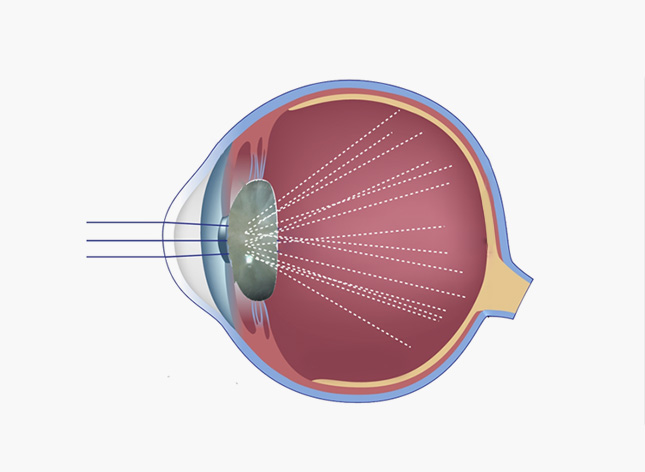
Yes, this is the single most common cause we diagnose in Guro-gu. When the tear film evaporates too quickly or is poor quality, the eye’s surface becomes irritated and sends a reflex signal for more tears. These reflex tears are watery and low in the lubricating oils that normal tears contain, so they run down the cheek instead of coating the eye properly. Treating the underlying dry eye, with artificial tears, warm compresses, and eyelid hygiene, is often the real fix for chronic watering.
This pattern is especially common in office workers throughout Yeongdeungpo who spend long hours on screens in air-conditioned buildings.
Q. How do blocked tear ducts cause watery eyes?
Tears normally drain through small openings at the inner eyelid into the nose. When this nasolacrimal duct narrows or blocks, from age-related narrowing, prior infection, or injury, tears back up and spill onto the cheek. This is more likely to cause one-sided watering, and often comes with mucus discharge or repeated infections. A dye disappearance test or gentle duct irrigation at our Guro clinic can confirm whether the duct is truly blocked.
Mild to moderate blockages often respond to in-office probing and irrigation. More complete or long-standing blockages may need a referral for a duct bypass procedure.
Q. When should I see a doctor in Seoul about watery eyes?
- Watering persists more than 2 weeks despite artificial tears
- Yellow or green discharge, crusting, or eyelid swelling appears
- Watering is clearly worse in one eye than the other
- Vision blurs intermittently along with the tearing
Dry Eye Related
Reflex watery tears from an irritated, unstable tear film. Treated with artificial tears and lid hygiene.
Blocked Duct
One-sided watering with discharge. Treated with probing, irrigation, or duct surgery if severe.
Eyelid / Allergy
Eyelid malposition or seasonal allergies causing tearing. Treated with lid correction or antihistamine drops.
“Watery eyes are one of the most misunderstood complaints I see in Guro and Yeongdeungpo. Patients often assume their eyes are too wet, when the real problem is that the surface is too dry. Finding the true cause is the difference between temporary relief and lasting comfort.”
— Dr. Daniel Baik, board-certified ophthalmologist, Nunehim Eye Center
❓ Frequently Asked Questions
Q. Is watery eyes always caused by dry eye?
No, but dry eye is the most common cause we see in Seoul patients. When the eye’s surface is too dry, it triggers a reflex flood of watery tears to compensate, which paradoxically makes the eyes feel wet and overflow. Other causes include blocked tear ducts, eyelid malposition, allergies, and blepharitis, so an eyelid and tear film exam is needed to tell them apart.
Q. When is a blocked tear duct the cause?
Blocked tear ducts (nasolacrimal duct obstruction) typically cause watering on one side more than the other, often with mucus discharge, crusting, or recurrent infections at the inner corner of the eye. This is common in infants, who often outgrow it, and in adults over 50, where narrowing of the duct develops gradually. A simple dye disappearance test or duct irrigation in our Guro-gu clinic can confirm a blockage.
Q. Can allergies in Seoul cause watery eyes?
Yes. Seoul’s spring pollen season and yellow dust days are major triggers for allergic conjunctivitis, which causes watery, itchy, red eyes, often worse for patients commuting through Yeongdeungpo and Gasan. Antihistamine eye drops and avoiding rubbing typically bring quick relief, though persistent symptoms should be reevaluated for a second underlying cause.
Q. What tests diagnose the cause of epiphora?
We start with a slit-lamp exam of the eyelids, lashes, and tear film, followed by a tear breakup time test to check for dry eye. If a blockage is suspected, we perform a dye disappearance test and, if needed, syringe the tear duct to check for obstruction. This stepwise workup lets us target treatment instead of guessing.
Q. Is tear duct surgery necessary?
Surgery is only needed for a minority of patients, usually when duct probing or balloon dilation fails, or when the blockage is complete and long-standing. Most cases of epiphora, including many blocked duct cases in adults, respond to in-office probing and irrigation or simply treating the underlying dry eye or eyelid problem first.
Q. Can watery eyes in babies resolve on their own?
Yes, most cases of infant tear duct blockage resolve by 12 months of age as the duct naturally opens. We recommend gentle lacrimal sac massage and monitoring until then, with probing considered only if watering and discharge persist beyond the first birthday or infections recur.
Q. How long does treatment take to work?
Dry eye-related watering often improves within 2 to 4 weeks of consistent artificial tears, warm compresses, and treating any eyelid inflammation. Tear duct probing typically gives immediate relief in successful cases. Allergic watering usually responds within days once the correct eye drop is started.

Book a Consultation
Schedule a watery eye evaluation at Nunehim Eye Center in Guro-gu, serving Yeongdeungpo, Gasan, and Gwanak.
nunehim.com
📍 Visit Nunehim Eye Center — Guro, Seoul
Convenient access from Guro, Gasan, Gwanak & Dongjak. Near Guro Digital Complex Station (Line 2).
Address
551 Siheung-daero, Guro-gu, Seoul
nunehim.com
Hours
Mon-Fri 09:00-18:30 (lunch 13-14)
Sat 09:00-14:00
Languages
Korean & English


Leave a comment