Computer Vision Syndrome: IT Workers’ Eye Health Guide for Seoul
Practical, board-certified guidance for Seoul’s IT and office workers on preventing digital eye strain
Q. What is computer eye strain and how common is it in Seoul?
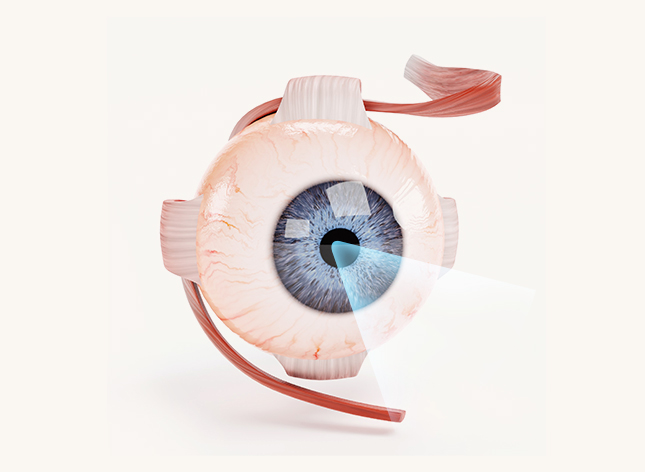
Computer eye strain (computer vision syndrome) is dryness, blurred vision, headaches, and fatigue caused by prolonged screen use. It is extremely common among the large IT and office-worker population in Guro Digital Complex and across Yeongdeungpo, Gasan, and Gwanak, where long hours in front of multiple monitors are the daily norm.
Q. Why are IT workers in Seoul especially at risk for digital eye strain?
Seoul’s tech and IT workforce, heavily concentrated around Guro Digital Complex, Gasan Digital Complex, and nearby Yeongdeungpo and Gwanak business districts, often works long hours across two or three monitors under fluorescent office lighting. Combined with Korea’s already high rate of myopia and dry indoor air from heating and air conditioning, this creates ideal conditions for chronic digital eye strain and dry eye disease.
Q. What are the main symptoms of computer vision syndrome?
- Blurred or fluctuating vision, especially by afternoon
- Dry, gritty, or burning eyes
- Headaches, particularly around the temples or behind the eyes
- Neck and shoulder tension from poor screen positioning
- Increased sensitivity to light and difficulty refocusing between near and far objects
Digital Eye Strain — Quick Facts
- ▸ Blink rate drops by more than half during screen use, worsening tear film evaporation
- ▸ Korea has among the highest myopia rates in the world, adding extra strain for screen-heavy jobs
- ▸ IT and office clusters in Guro, Gasan, and Yeongdeungpo report some of the highest rates of dry eye complaints in Seoul office surveys
- ▸ The 20-20-20 rule is one of the most consistently recommended low-cost interventions by ophthalmologists worldwide
Q. What can I do right now to reduce computer eye strain?
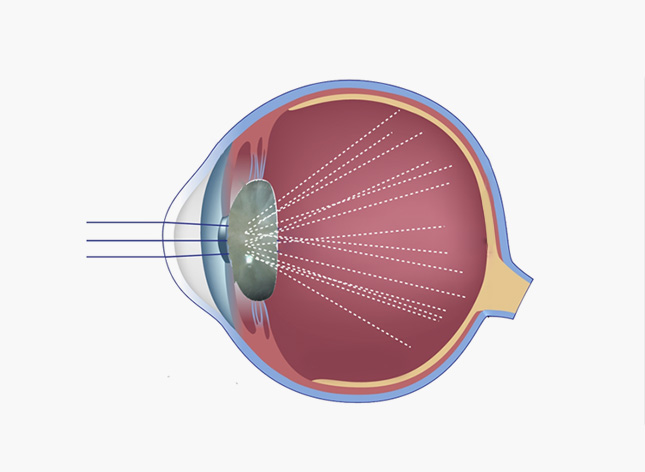
Follow the 20-20-20 rule: every 20 minutes, look at something roughly 20 feet (6 meters) away for 20 seconds. Blink consciously and often — screen use cuts our blink rate dramatically, which dries out the eye surface.
Position your monitor slightly below eye level and about an arm’s length away, increase font size rather than leaning in, and reduce glare from overhead lighting or windows.
Q. Do artificial tears or blue light glasses help?
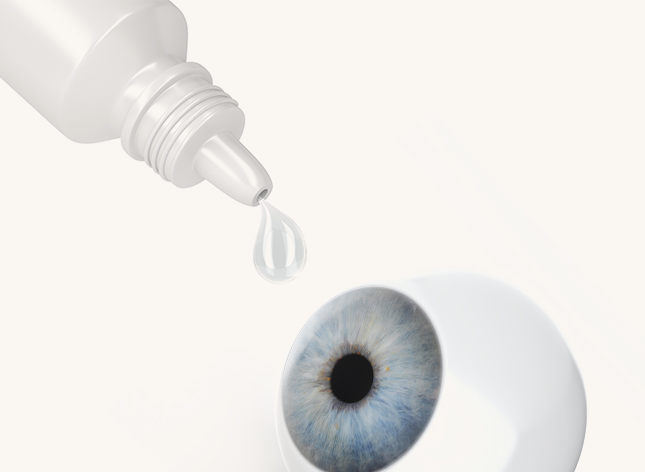
Preservative-free artificial tears used a few times a day can meaningfully relieve screen-related dryness for most IT workers. Blue light glasses may modestly reduce glare and fatigue for some users, but they are not a substitute for good screen habits and regular breaks.
If dryness or blurring persists despite these changes, patients in Gasan and Guro often benefit from a proper dry eye evaluation rather than trial-and-error with over-the-counter products alone.
Q. When should I stop self-treating and see an ophthalmologist?
- Blurred vision or headaches persist despite adjusting screen habits
- Eye pain, redness, or discharge develops
- You haven’t had a comprehensive eye exam in over a year
- Symptoms are affecting your ability to work or concentrate
- You notice a sudden change in vision at any distance
Mild
Occasional dryness or tired eyes by end of day — usually improves with the 20-20-20 rule and artificial tears.
Moderate
Daily headaches, persistent dryness, or blurred vision — warrants a dry eye and refractive evaluation.
Advanced
Chronic dry eye disease or uncorrected refractive error significantly affecting work and daily life — needs ongoing ophthalmologic management.
A Note from Dr. Daniel Baik
“Working with so many IT professionals from Guro Digital Complex and Gasan, I see the same pattern again and again: eye strain that’s been ignored for months because it seems minor. A short evaluation can often identify a simple, fixable cause — whether that’s dry eye, uncorrected refractive error, or just screen setup — for patients across Yeongdeungpo and Gwanak as well.”
❓ Frequently Asked Questions
Q. What exactly is computer vision syndrome (digital eye strain)?
Computer vision syndrome, also called digital eye strain, is a group of eye and vision problems caused by prolonged screen use — including dryness, blurred vision, headaches, and neck or shoulder tension. It’s extremely common among IT workers and office employees in Seoul who spend 8 or more hours a day facing monitors.
Q. How much screen time is considered risky for eye health?
There isn’t one universal cutoff, but symptoms typically appear after 2 or more continuous hours of screen use without breaks. Seoul’s IT workers, who often work 8-12 hour days across multiple monitors, are at particularly high risk if they don’t build in regular breaks.
Q. What is the 20-20-20 rule and does it actually work?
Every 20 minutes, look at something 20 feet (about 6 meters) away for at least 20 seconds. This gives the eye’s focusing muscles a chance to relax and has been shown to meaningfully reduce eye strain symptoms when practiced consistently.
Q. Can blue light glasses cure digital eye strain?
Blue light glasses may modestly reduce glare and eye fatigue for some users, but current evidence does not show they prevent digital eye strain on their own. Blink rate, screen distance, lighting, and break habits generally matter more.
Q. Is dry eye from screen use the same as regular dry eye disease?
They overlap. Staring at screens reduces our natural blink rate by more than half, which worsens tear film evaporation. For many IT workers this triggers or worsens underlying dry eye disease, especially in Seoul’s dry indoor heating and air-conditioned office environments.
Q. When should an IT worker with eye strain see an ophthalmologist?
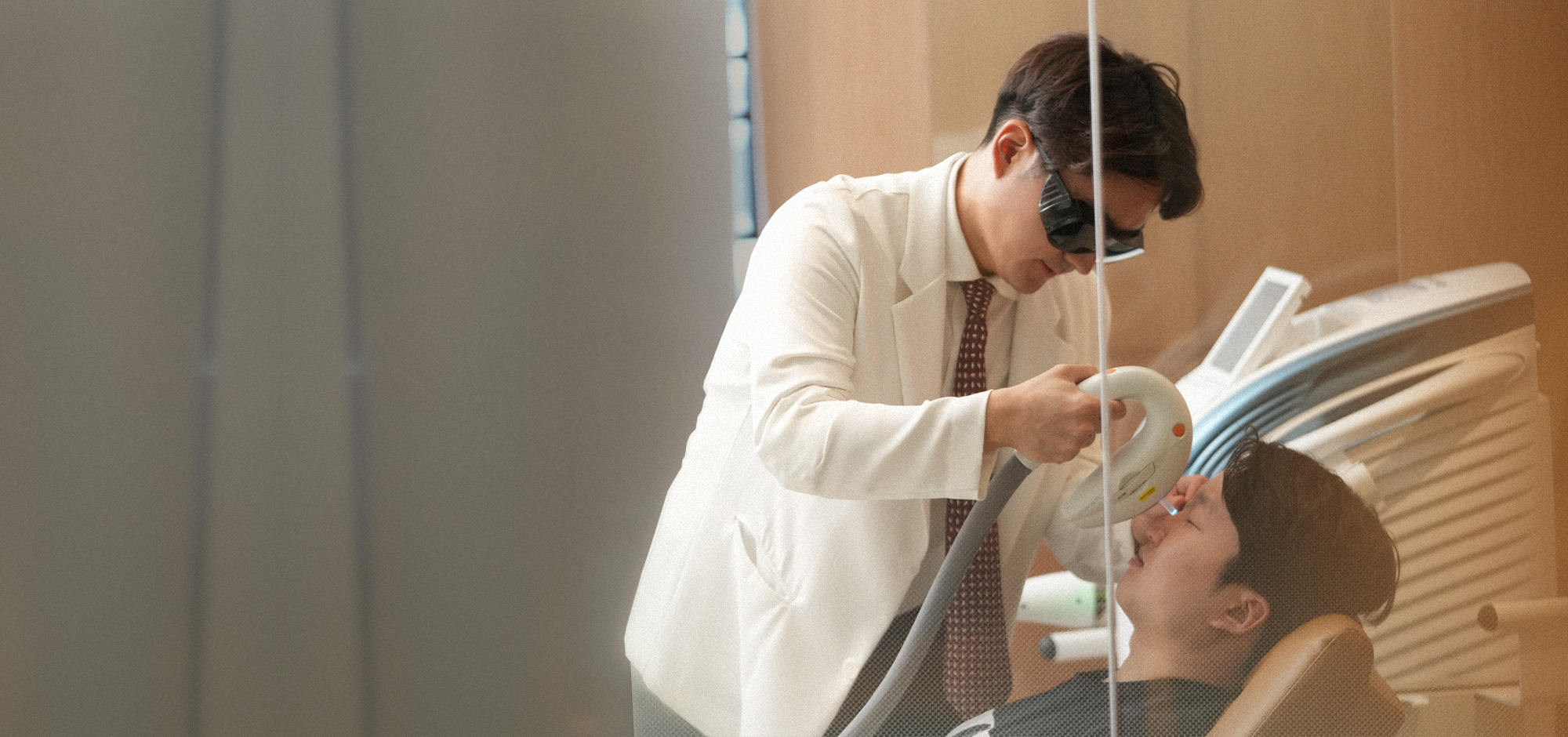
If symptoms — blurred vision, persistent headaches, eye pain, or dryness — continue despite adjusting screen habits and lighting, or if you haven’t had an eye exam in over a year, it’s time for a professional evaluation to rule out underlying refractive error or dry eye disease.
Q. Can office lighting and monitor setup really make a difference?
Yes. Glare from overhead lighting or windows, monitors positioned too high or too close, and small font sizes all force the eyes to work harder. Positioning your screen slightly below eye level, an arm’s length away, with matte screen filters if needed, meaningfully reduces strain.

Book a Consultation
Dealing with persistent digital eye strain or dry eyes from long work hours? Nunehim Eye Center serves IT and office workers across Yeongdeungpo, Guro, Gasan, and Gwanak with Korean and English consultations.
nunehim.com
📍 Visit Nunehim Eye Center — Guro, Seoul
Convenient access from Guro, Gasan, Gwanak & Dongjak. Near Guro Digital Complex Station (Line 2).
Address: 551 Siheung-daero, Guro-gu, Seoul / nunehim.com
Hours: Mon–Fri 09:00–18:30 (lunch 13–14), Sat 09:00–14:00
Languages: Korean & English


Leave a comment