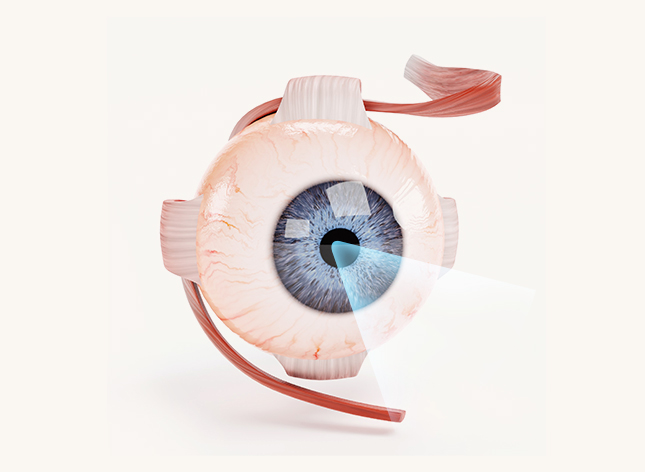
Contact Lens Care: The Complete Guide for Daily Wear in Seoul
Practical, board-certified guidance for safe contact lens wear in Yeongdeungpo, Guro, Gasan & Gwanak
Q. What is the most important rule for contact lens care in Seoul?
Always wash and dry your hands before handling lenses, replace lenses exactly on schedule, never sleep in daily-wear lenses, and use only fresh multipurpose solution. At our Guro-gu clinic, skipping these basic steps is the single leading cause of contact lens-related corneal infections we treat.
Q. Why does proper contact lens care matter so much in Seoul?
Korea has one of the highest myopia rates in the world, and a very large share of Seoul’s young adults rely on contact lenses daily for work, study, and daily life. Combine this with Seoul’s seasonal fine dust (미세먼지), dry indoor air from heating and air conditioning, and long screen hours, and the eyes of contact lens wearers in Yeongdeungpo, Guro, Gasan, and Gwanak are under more stress than in many other cities. Good contact lens care in Seoul isn’t optional — it’s essential to protecting your cornea long-term.
Q. What are the biggest contact lens hygiene mistakes people make?
- Sleeping in lenses not designed or prescribed for overnight wear
- “Topping off” old solution instead of fully replacing it each time
- Rinsing lenses or cases with tap water or saliva
- Wearing lenses beyond their replacement schedule to save money
- Ignoring early redness, discomfort, or blurry vision instead of removing lenses immediately
Contact Lens Care — Quick Facts
- ▸ Korea has among the highest rates of myopia in the world, especially among Seoul’s young adults
- ▸ Improper lens case cleaning is one of the most common hygiene gaps among Korean contact lens wearers
- ▸ Acanthamoeba keratitis, though rare, is strongly associated with tap-water exposure of lenses and cases
- ▸ Daily disposable lenses are widely recommended by ophthalmologists as the lowest-risk option for infection prevention
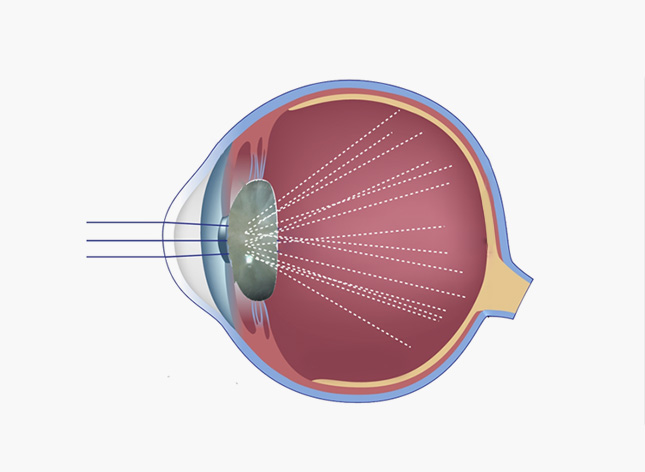
Q. How should I clean and store my contact lenses?
Even with “no-rub” solution, gently rubbing your lenses between clean fingers before rinsing removes far more debris and microorganisms than rinsing alone. Always use fresh solution — never top off what is already in the case — and replace your lens case every 1 to 3 months.
Never use tap water, saliva, or homemade saline to clean lenses or cases. These are common but avoidable causes of serious corneal infections seen in patients across Guro and Yeongdeungpo.
Q. Daily, biweekly, or monthly — which lens type suits Seoul’s climate?
For patients dealing with Seoul’s fine dust and dry indoor air, daily disposable lenses are generally the safest choice — a fresh, sterile lens every day minimizes buildup of allergens and debris.
Biweekly and monthly lenses can still be worn safely, but require stricter cleaning discipline. Patients in Gasan and Gwanak who want a break from daytime lenses altogether may also be candidates for orthokeratology (OK lens), worn only overnight.
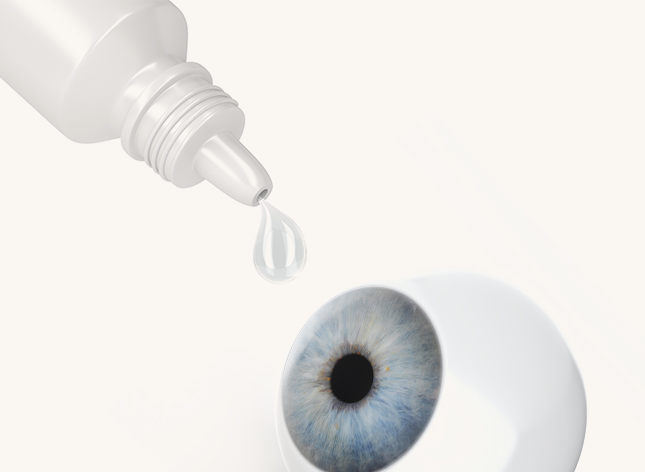
Q. What warning signs mean I should stop wearing lenses immediately?
- Eye pain or a persistent foreign-body sensation
- Redness that does not improve after removing the lens
- Blurred or reduced vision
- Increased light sensitivity
- Excessive tearing, discharge, or crusting
Mild
Dryness, mild redness, or lens awareness — usually resolves with rest from lenses and lubricating drops.
Moderate
Giant papillary conjunctivitis or corneal abrasion — requires an ophthalmologist visit and temporary lens discontinuation.
Severe
Microbial keratitis or corneal ulcer — an urgent, sight-threatening condition requiring immediate medical care.
A Note from Dr. Daniel Baik
“In my practice in Guro-gu, I see contact lens-related corneal infections almost every week — and nearly all of them are preventable with basic hygiene. I encourage every patient in Yeongdeungpo, Gasan, and Gwanak who wears contact lenses to get an annual eye exam, even without symptoms.”
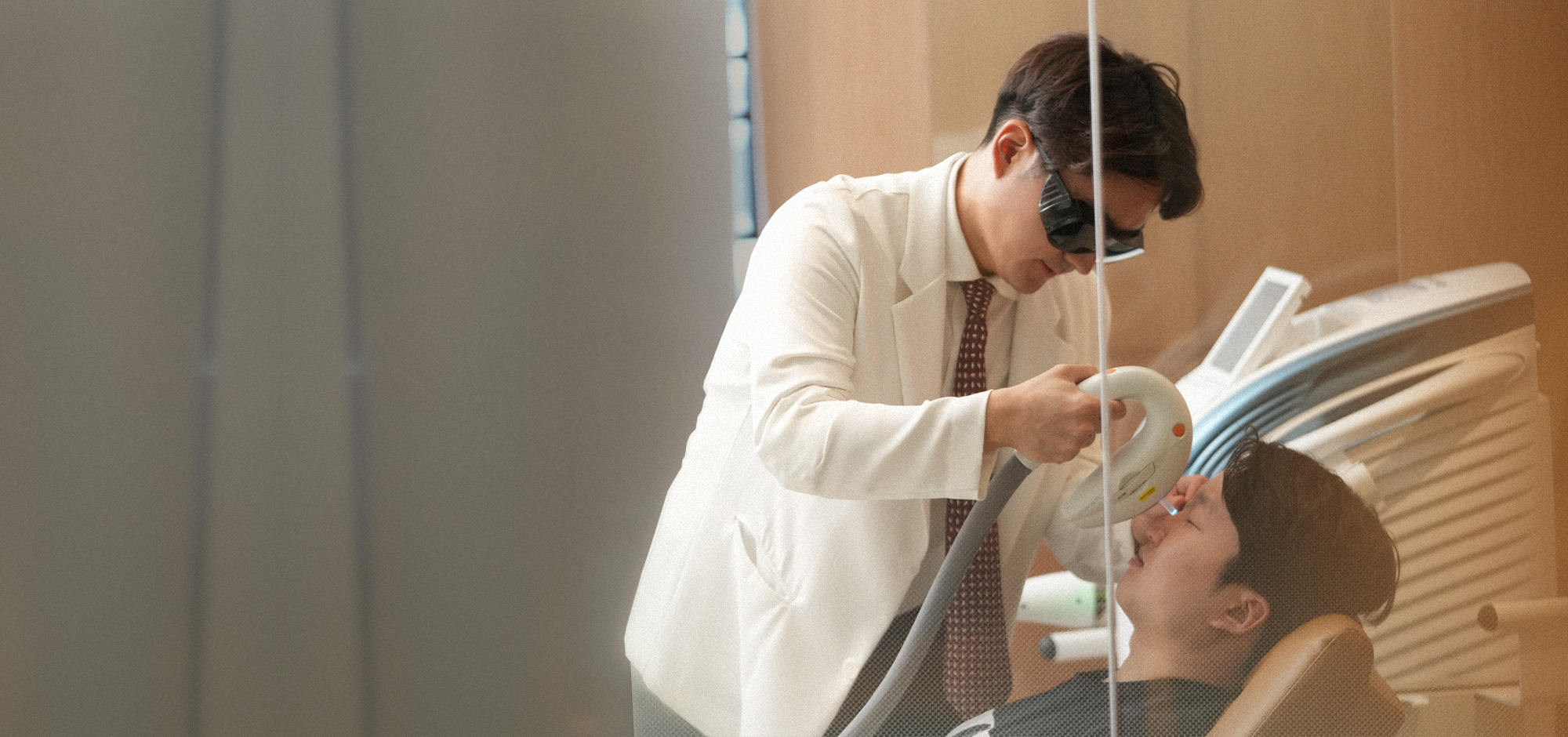
❓ Frequently Asked Questions
Q. Can I sleep in my contact lenses?
No. Sleeping in lenses not approved for extended wear dramatically raises the risk of corneal infection, including sight-threatening microbial keratitis. Even lenses marketed for extended wear should only be used exactly as prescribed by your ophthalmologist.
Q. How often should I replace my contact lens case?
Replace your lens case every 1 to 3 months, and rinse it with fresh solution (never tap water) after each use, leaving it to air-dry upside down. An old, contaminated case is one of the most common sources of lens-related eye infections we see in our Guro-gu clinic.
Q. Is tap water safe for rinsing contact lenses?
No. Tap water can contain Acanthamoeba and other organisms that cause severe, difficult-to-treat corneal infections. Always use sterile multipurpose or saline solution made specifically for contact lenses.
Q. Can I wear contact lenses while swimming or showering?
It’s best to avoid wearing lenses in the shower, pool, or sea. Water exposure while lenses are on the eye increases infection risk significantly. If you must wear lenses near water, well-fitted, sealed swim goggles offer some protection, but daily disposables removed immediately afterward are safest.
Q. What is orthokeratology (OK lens) and could it replace my daytime contacts?
OK lenses are specially designed rigid lenses worn overnight that gently reshape the cornea, allowing many wearers clear vision during the day without any daytime lenses or glasses. They are a popular option for patients in Yeongdeungpo and Gasan who want a break from daily lens wear, particularly active adults and children with progressing myopia. A fitting and consultation with an ophthalmologist is required to determine candidacy.
Q. How often should contact lens wearers get an eye exam?
Most contact lens wearers should have a comprehensive eye exam once a year. If you experience redness, discomfort, discharge, or blurred vision at any point, schedule a visit sooner rather than waiting for your annual check.
Q. Are colored or cosmetic contact lenses as safe as clear lenses?
Only if they are properly certified, correctly fitted, and cared for with the same hygiene standards as clear lenses. Unregulated cosmetic lenses purchased without a prescription or fitting are a common cause of corneal abrasions and infections among younger wearers in Seoul.

Book a Consultation
Have questions about your contact lens routine or want a comprehensive eye exam? The team at Nunehim Eye Center serves patients across Yeongdeungpo, Guro, Gasan, and Gwanak with Korean and English consultations.
nunehim.com
📍 Visit Nunehim Eye Center — Guro, Seoul
Convenient access from Guro, Gasan, Gwanak & Dongjak. Near Guro Digital Complex Station (Line 2).
Address: 551 Siheung-daero, Guro-gu, Seoul / nunehim.com
Hours: Mon–Fri 09:00–18:30 (lunch 13–14), Sat 09:00–14:00
Languages: Korean & English


Leave a comment