Computer Vision Syndrome: IT Workers’ Eye Health Guide for Seoul
Digital eye strain and blue light — what actually helps, Guro-gu, Seoul
Quick Answer
Computer eye strain in Seoul — also called Computer Vision Syndrome — is caused mainly by reduced blinking and prolonged near focus, not blue light itself; symptoms include dry, tired, blurry eyes and headaches, and are usually improved with the 20-20-20 rule, an updated glasses prescription, and treating underlying dry eye.
Q. What causes computer eye strain in Seoul offices?
Computer eye strain causes in Seoul are driven mostly by behavior, not the screen itself: when we focus on a monitor, blink rate drops by roughly half, and the eyes stay in sustained near-focus for hours. Add in dry, climate-controlled air common in Gasan and Guro Digital Complex office towers, and the tear film evaporates faster than it can be replenished — producing the classic burning, gritty, tired-eye feeling by mid-afternoon.
Q. What are the symptoms of Computer Vision Syndrome?
- Eye fatigue and a heavy, tired feeling by afternoon
- Dryness, burning, or a gritty sensation
- Intermittent blurred vision, especially switching between screen and distance
- Headaches, often across the forehead or behind the eyes
- Neck and shoulder tension from poor screen positioning
Digital Eye Strain in Korea: The Numbers
- ▸ Koreans spend an average of over 7 hours per day on screens between work and personal devices
- ▸ Blink rate drops from about 15–20 per minute to as low as 5–7 per minute during focused screen work
- ▸ Surveys of Korean office workers report digital eye strain symptoms in well over half of respondents
- ▸ Seoul’s heated winters and air-conditioned summers both lower indoor humidity, worsening screen-related dryness
Q. How can IT workers reduce computer eye strain?
Follow the 20-20-20 rule, position the monitor slightly below eye level about an arm’s length away, and increase text size rather than leaning in. A room humidifier and conscious, fuller blinking during long coding or meeting sessions also make a measurable difference.
If symptoms persist despite good habits, the underlying cause is often an uncorrected refractive error or early presbyopia rather than the screen itself — this is where a proper eye exam matters more than another pair of blue light glasses.
Q. Does blue light from screens actually harm the eyes?
Current evidence does not show that everyday screen blue light exposure causes retinal damage. The discomfort people attribute to “blue light” is almost always digital eye strain from reduced blinking and sustained focus, plus possible sleep disruption from evening screen use — both addressed more effectively by behavior changes than by filtering lenses alone.
Q. When should IT workers in Seoul see a doctor?
- Symptoms persist despite following the 20-20-20 rule and improving ergonomics for several weeks
- Vision blurs even at distance, not just after screen use
- Eye pain, redness, or discharge accompanies the strain
- Headaches are frequent or worsening
- You have not had a comprehensive eye exam in over a year
Mild CVS
Occasional afternoon fatigue, resolves with breaks and blinking.
Moderate CVS
Daily dryness and blur; needs updated prescription or drops.
Chronic CVS
Persistent symptoms; evaluate for dry eye disease and MGD.
From Dr. Daniel Baik
“So many of my patients from Gasan and Guro Digital Complex assume they need blue light glasses, when what they actually need is a proper refraction and a dry eye treatment plan. Fixing the root cause works far better than filtering lenses alone.”
❓ Frequently Asked Questions
Q. What is Computer Vision Syndrome and who gets it?
Computer Vision Syndrome (CVS), also called digital eye strain, is a cluster of symptoms — eye fatigue, dryness, blurred vision, and headaches — caused by extended screen use. It’s extremely common among Seoul’s large IT and office workforce in Guro Digital Complex, Gasan, and Yeongdeungpo, where many professionals spend 8 or more hours a day facing multiple monitors.
Q. Do blue light glasses actually help with eye strain?
Blue light itself is not the main cause of digital eye strain — reduced blink rate and prolonged near focus are. Blue light glasses may modestly improve visual comfort and sleep quality for some people, but they are not a substitute for proper ergonomics, an accurate prescription, and treating dry eye.
Q. What is the 20-20-20 rule and does it really work?
Every 20 minutes, look at something 20 feet (about 6 meters) away for 20 seconds. This gives the focusing muscles inside the eye a break and encourages a full blink, which helps re-spread the tear film. Studies and clinical experience both support it as one of the simplest, most effective habits for reducing screen-related eye strain.
Q. Can computer eye strain cause permanent eye damage?
No. Computer Vision Syndrome causes uncomfortable but temporary symptoms and does not permanently damage the eyes. That said, ignoring significant dry eye over years can lead to chronic ocular surface problems, so persistent symptoms are still worth evaluating rather than dismissing.
Q. Why do my eyes feel worse by the end of the workday in Seoul offices?
Air-conditioned or heated office air in Seoul’s IT hubs like Gasan and Guro is often very dry, and concentrating on a screen reduces blink rate by up to 60%. Combined, this accelerates tear film evaporation over the course of a workday, which is why symptoms build up rather than starting fresh each morning.
Q. Should IT workers in Seoul get their eyes checked even without symptoms?
Yes — an annual comprehensive eye exam is recommended for anyone doing intensive screen work, since uncorrected small refractive errors or early presbyopia make digital eye strain significantly worse. Many patients in Yeongdeungpo, Guro, and Gasan discover during a routine exam that a minor prescription update resolves most of their strain.
Q. What treatments does Nunehim Eye Center offer for digital eye strain?
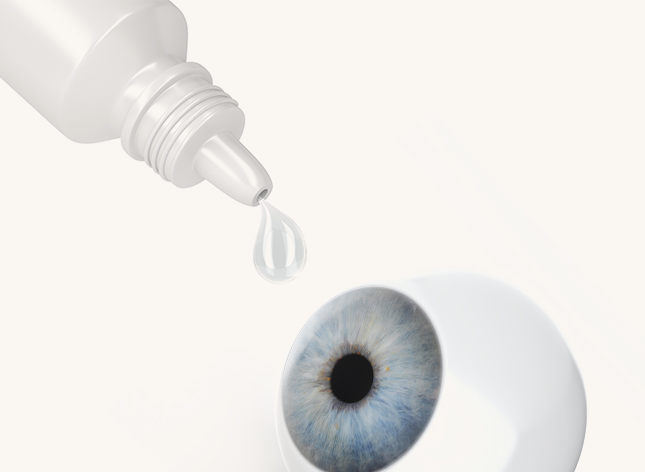
We start with a full refraction and dry eye assessment, then tailor treatment: an updated or computer-specific glasses prescription, artificial tears or prescription dry eye drops, punctal plugs for more severe cases, and practical ergonomic and screen-habit guidance suited to a desk-based job.

Book a Consultation
Struggling with screen-related eye strain? Get a full refraction and dry eye check at Nunehim Eye Center in Guro-gu, Seoul.
Or visit nunehim.com
📍 Visit Nunehim Eye Center — Guro, Seoul
Convenient access from Guro, Gasan, Gwanak & Yeongdeungpo. Near Guro Digital Complex Station (Line 2) — ideal for IT workers on a lunch break.
Address
551 Siheung-daero, Guro-gu, Seoul · nunehim.com
Hours
Mon–Fri 09:00–18:30 (lunch 13:00–14:00), Sat 09:00–14:00
Languages
Korean & English


Leave a comment